

That spider crack amazing!
Very cool.
Very cool.


Frosted canopies. I've had my fair share. I've also had a run of good luck with a few tips I've picked up in the past five years. Here's what I learned will work:After nearly ruining my Yak-3 build I pulled it out of storage and hope to finish it soon.
View attachment 181594
I took bad advice and used Tamiya extra-thin on the open version of the canopy. Allegedly it is safe to use on clear parts, but I'm going to say do not do that.
View attachment 181595
It is a bit hard to see, but the rear most part of the one on the right is marred irreparably. The glue did not "fog" the way CA would do, but it definitely messed it up. Attempts to polish it out were fruitless. I even tried to clean up the "closed" version which I painted over as a mask, but the crack was a no-go. I now have a vacuformed one coming, I've heard horror stories and have never used it before, so wish me luck

Good luck with that, the "spidering" is basically everywhere, by design. Can it be replicated? Probably, but IMO what you have already shown tells the story better.ow to model broken tempered glass
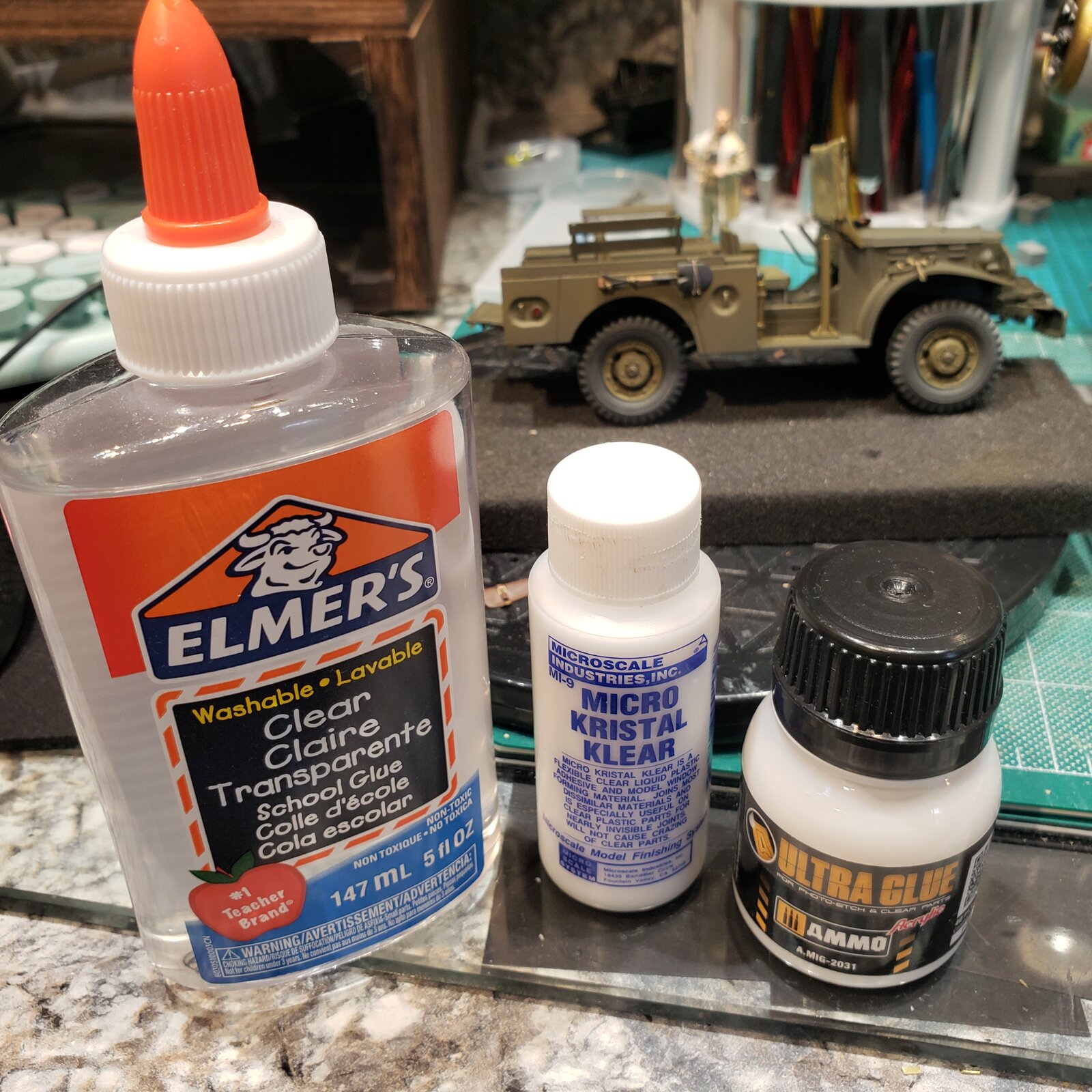
Lesson learned! I'd add the following product, but yeah. Point taken!Elmers white glue is the only thing i will use on any clear parts, head lights, windows, sun roofs and Ttops or aircraft canopies,
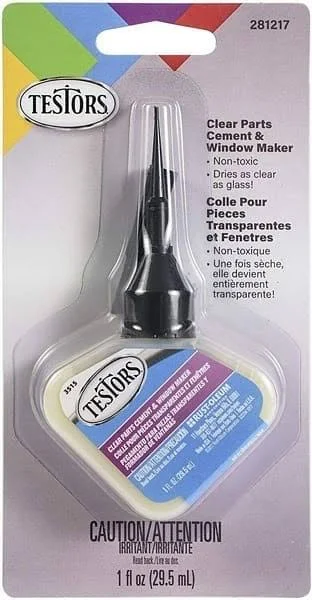

What's going on them? Come on, spill the beans man!

Frosted canopies. I've had my fair share. I've also had a run of good luck with a few tips I've picked up in the past five years. Here's what I learned will work:
Frosted canopy repair. Following some online advice, they said to sand the frosted canopy surface with sand paper until it was really frosted, then begin the process of sanding/polishing the surface back to clear. I had my doubts, but since the canopy was already useless, I gave it a try and it worked. In fact, the canopy looked better than before it was frosted. I believe it's because the canopies are less thick and any micro-waviness from the moulding process has been removed from the inside of the canopy. I haven't tried this on the outside surface of the canopies because I'm afraid of removing the canopy frame details.
- White glue. Seems to work really well with canopies that fit well. Doesn't seem to hold if the parts are under stress.
- CA glue used with Future or Gauzy (smells like the same stuff to me). The CA doesn't (in my experience) fog the canopies. Time will tell if the canopies yellow because of the Future or Gauzy.
- CA glue with an open canopy and a fan forcefully circulating air inside the open canopy. I leave the fan pushing the air through the cockpit for about an hour. I have no idea how short a time will do. I've only done this a couple of times, and it worked.
Does it smell like Lepage's wood glue? I bought the below product a while back and it smells like Lepage's glue. It worked.
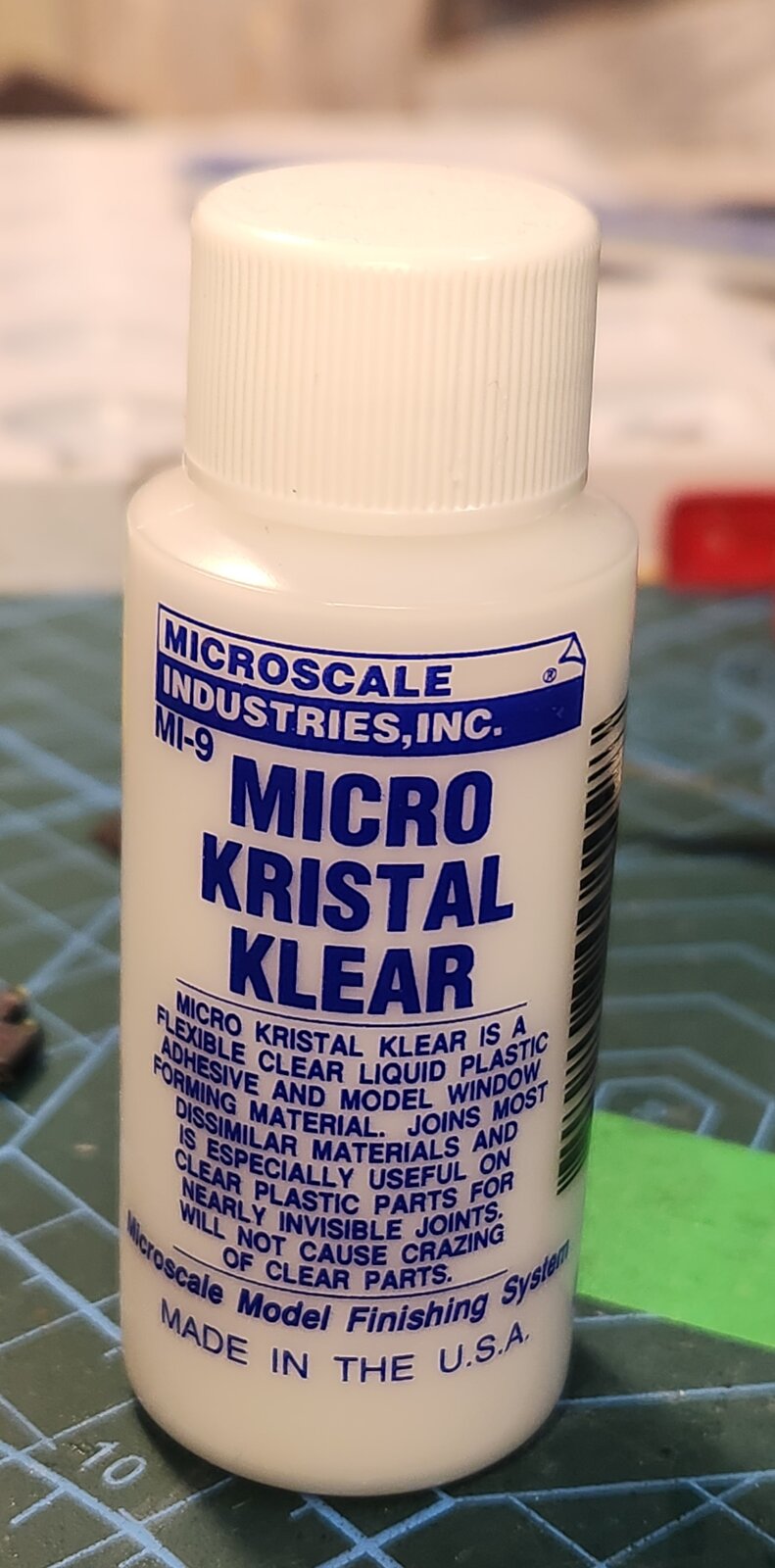

...and it worked! Not always the case. Well done.easy peasy
selling us the same thing in different packaging
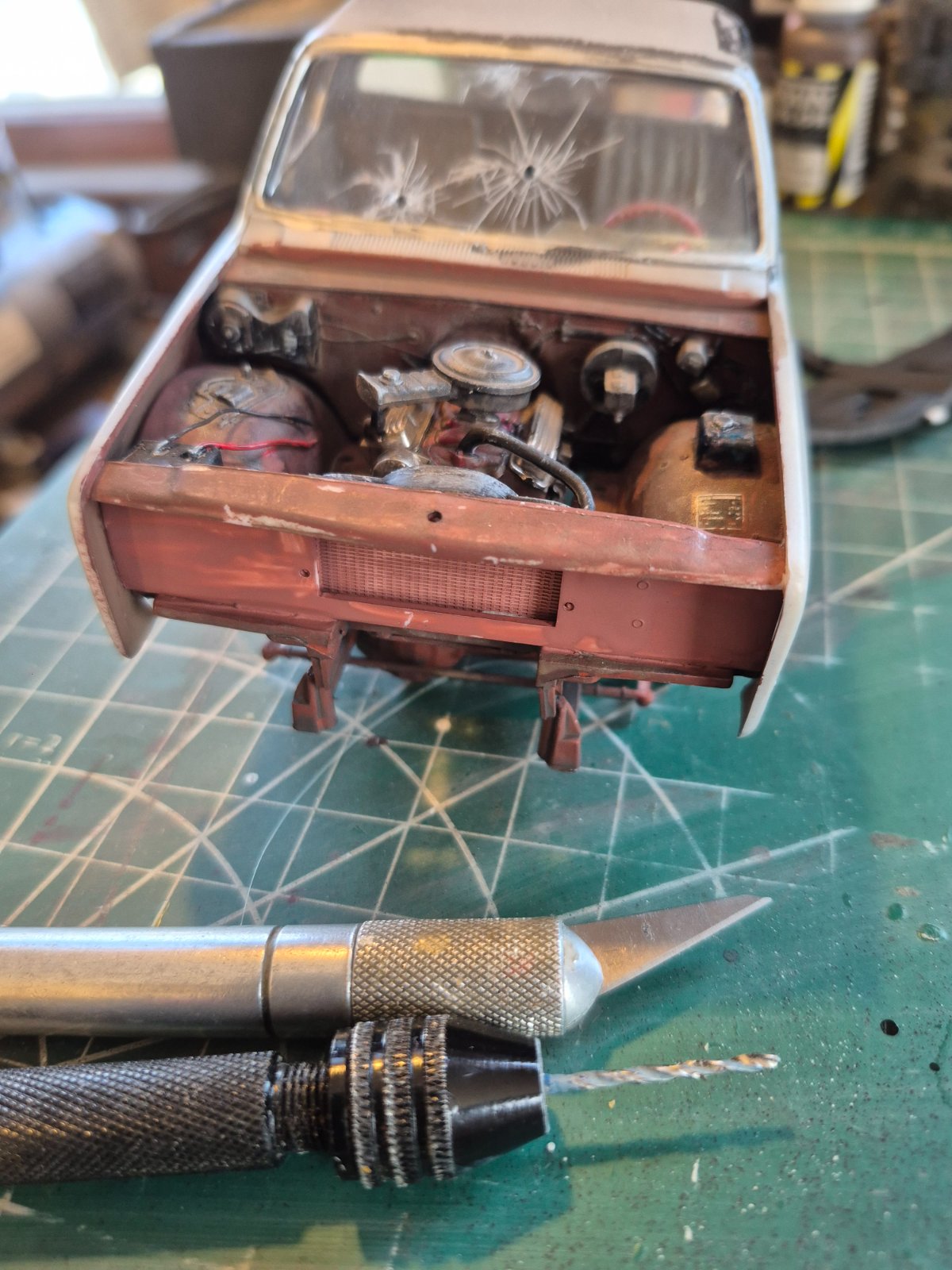
That looks great!Thanks, but all I did was drill the bullet holes out, then scribed the lines with my X- Acto knife, easy peasy. I'll probably add more as things progress.
The windshield glass is laminated, I want to try to figure out how to model broken tempered glass, for the side windows. I think that would be cool if I can pull it off.
View attachment 181611

Someone I used to know once did an internship at a major glue manufacturer here in the Netherlands, where she had to test batches of glue to see if they met the company's quality standards. She divulged that supermarkets, department stores etc. sold the exact same glue under their own brand names, the only difference being that those batches didn't get tested as rigorously. Which means they're probably the same quality as the actual brand-name glue, but might not be.selling us the same thing in different packaging
I agree. Did you just thin down the green and red to get that faded look?I really like your paint work.
Yes, the red is Tamiya Red Brown, and the green is Vallejo Cam Lt. Green. I believe that is a model color paint, versus a Model Air color. So it is not optimized for airbrushing. Each color was thinned with the proprietary thinner and retarder in the case of the Tamiya color, and Airbrush Flow Improver for the Vallejo paint, to prevent splattering and tip dry on the airbrush. Fun fact, I never finished painting the top hatch on the turret, and had to spray the green and brown on that a couple of weeks ago, to match the rest of the model which I painted about 2012.I agree. Did you just thin down the green and red to get that faded look?

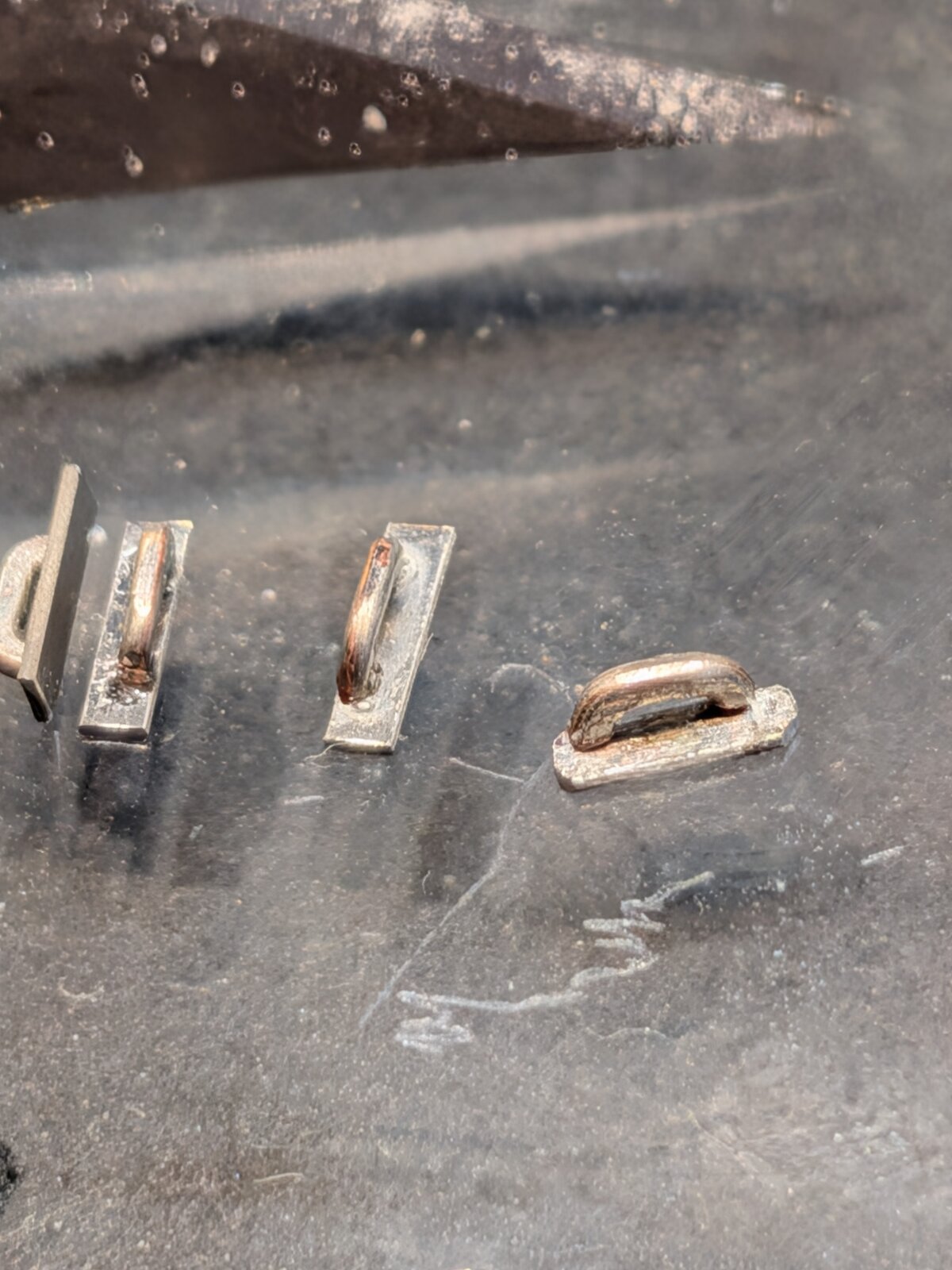
Just as a matter of interest... does this armoured car still have a steering wheel?
Finishing up this, should have pics soon. Hope to get it mostly finish over the upcoming weekend.
Yes, the railroad wheels were direct bolt on replacements to the rubber tired wheels, and the vehicle could be converted back to the conventional tires in a very short amount of time.Just as a matter of interest... does this armoured car still have a steering wheel?
Thanks for letting me know. That makes a lot of sense.Yes, the railroad wheels were direct bolt on replacements to the rubber tired wheels, and the vehicle could be converted back to the conventional tires in a very short amount of time.
Always been the case. I used to do fire safety inspections in a local TV factory.Someone I used to know once did an internship at a major glue manufacturer here in the Netherlands, where she had to test batches of glue to see if they met the company's quality standards. She divulged that supermarkets, department stores etc. sold the exact same glue under their own brand names, the only difference being that those batches didn't get tested as rigorously. Which means they're probably the same quality as the actual brand-name glue, but might not be.
See the same thing in grocery stores too, at least around here.Always been the case.

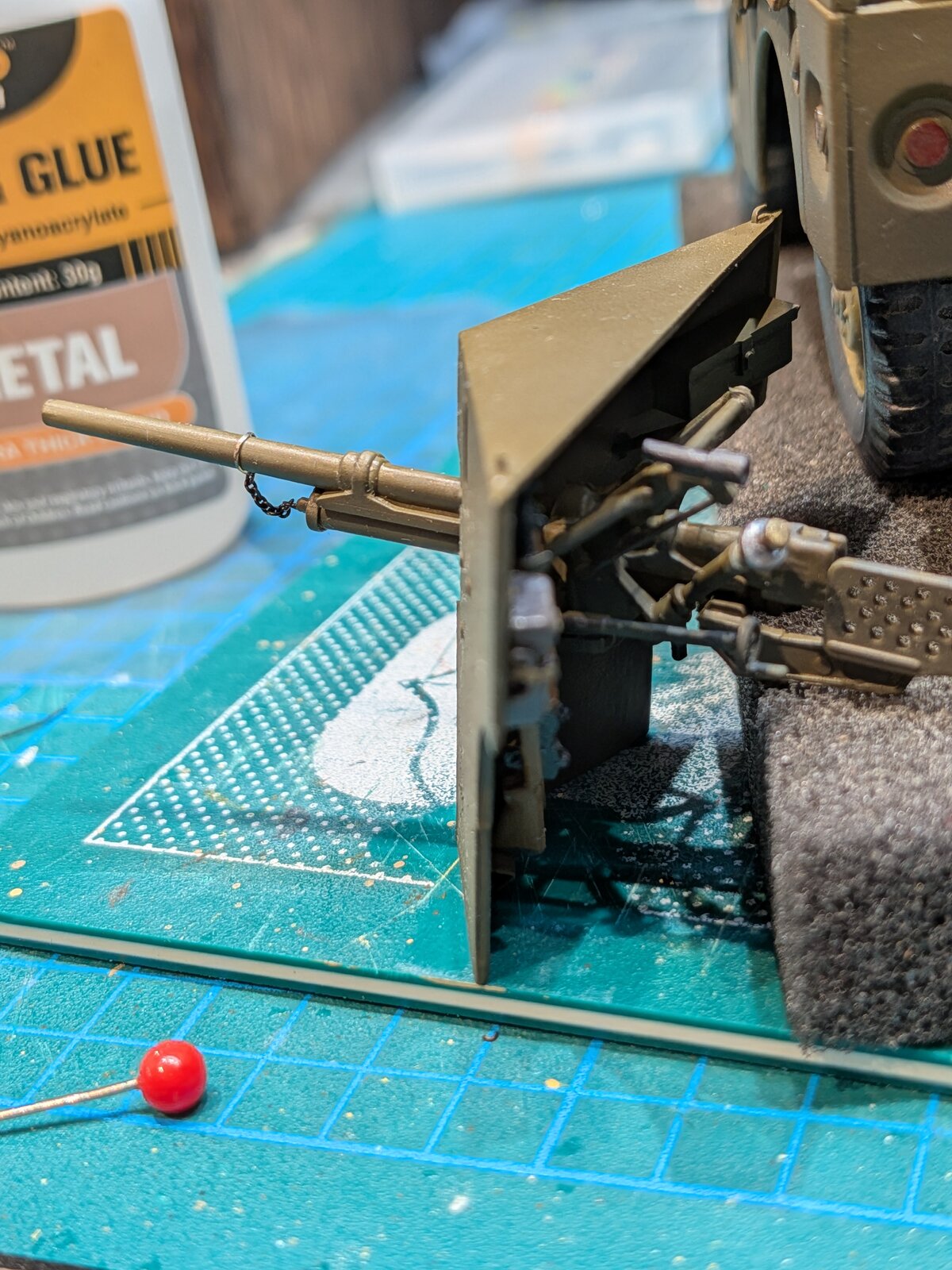
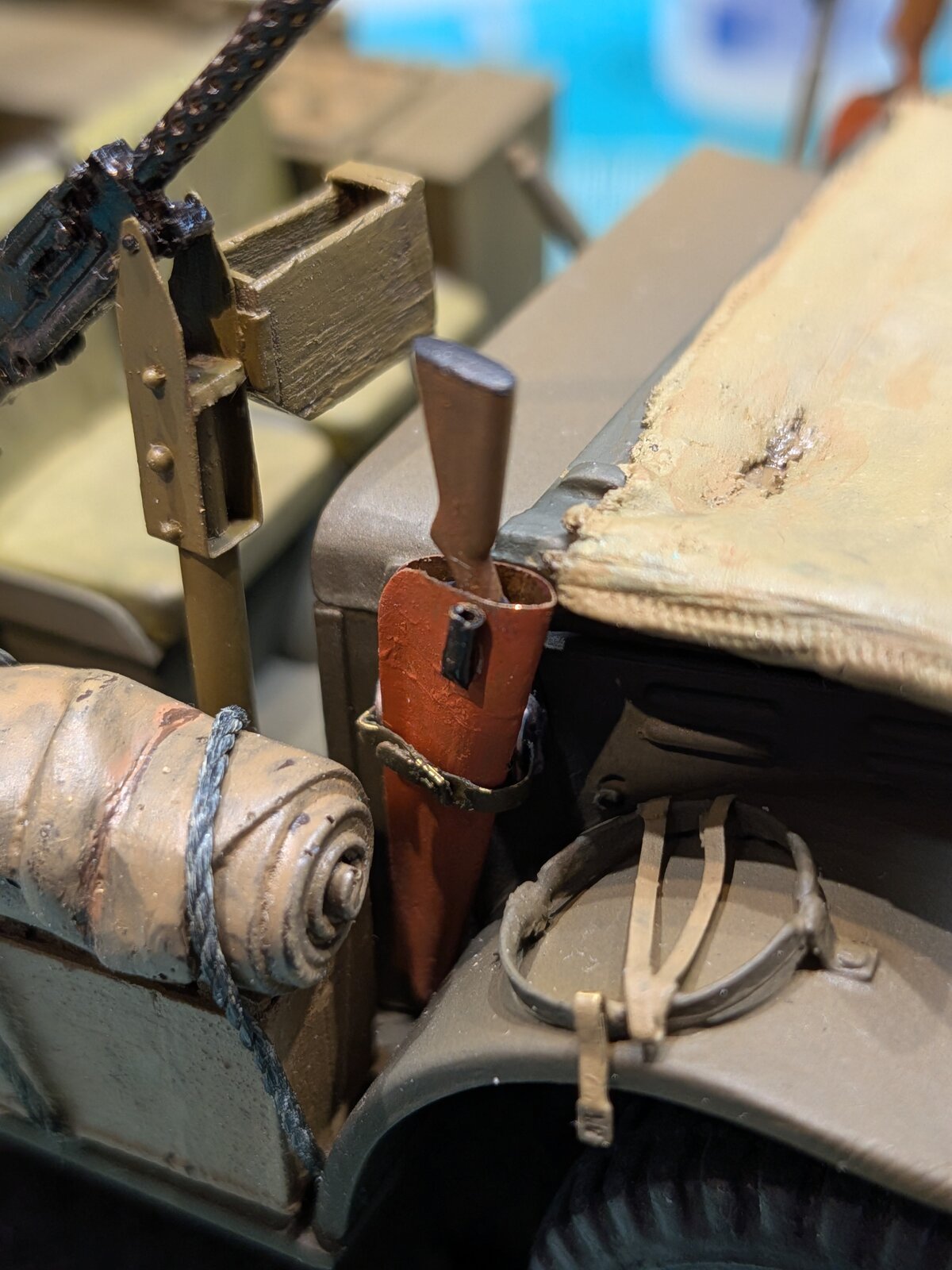
Thanks @kevin , @locomotive and @Tommergundetail


![Pampers Sensitive Baby Wipes, Clinically Proven, Fragrance Free, Unscented, Water Based, Hypoallergenic, Multi-Use, Hand Wipes 336 Wipes Total (6X Flip-Top Packs) [Packaging May Vary]](https://m.media-amazon.com/images/I/41KLBHu9CAL._SL500_.jpg)





