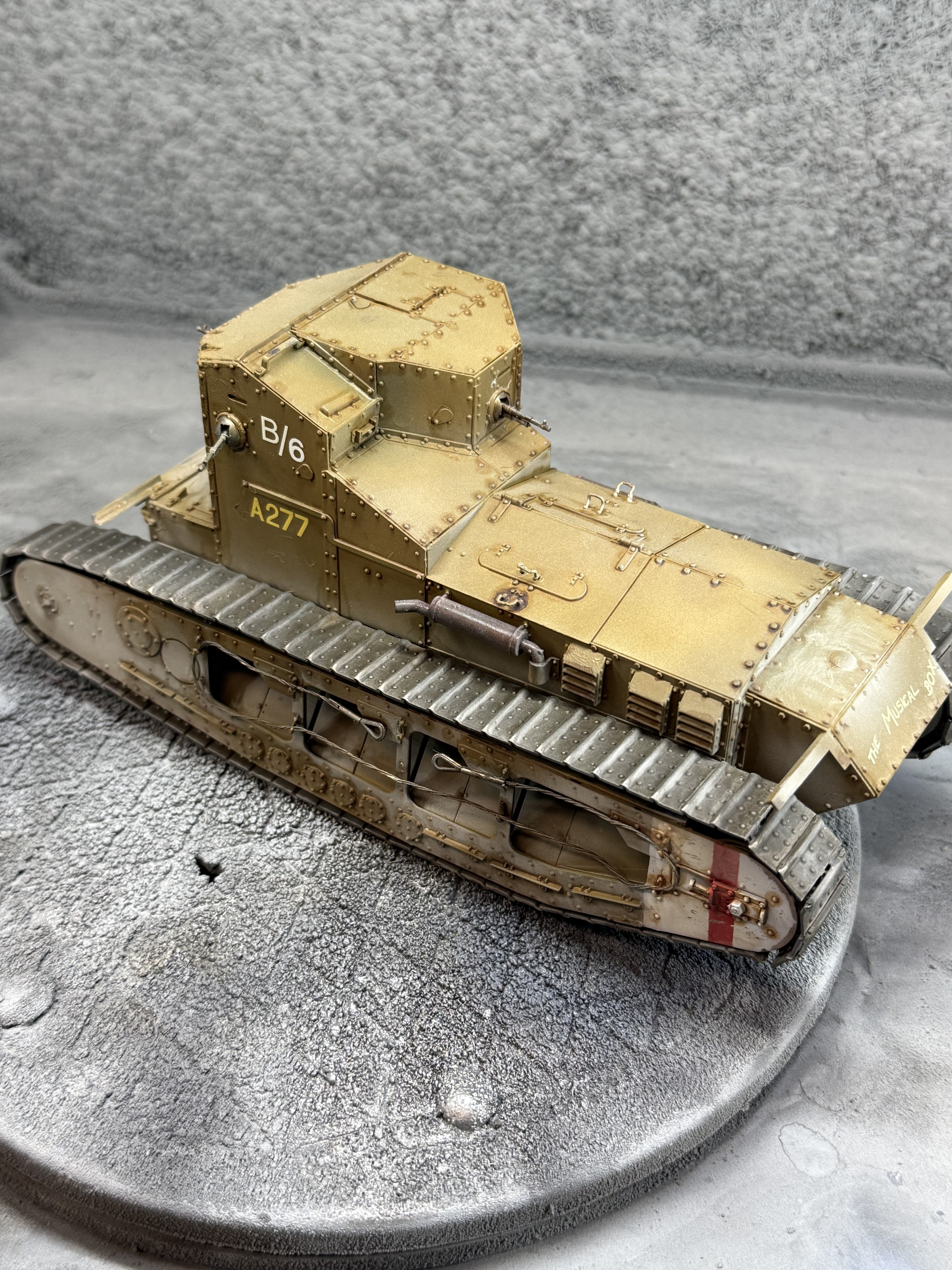
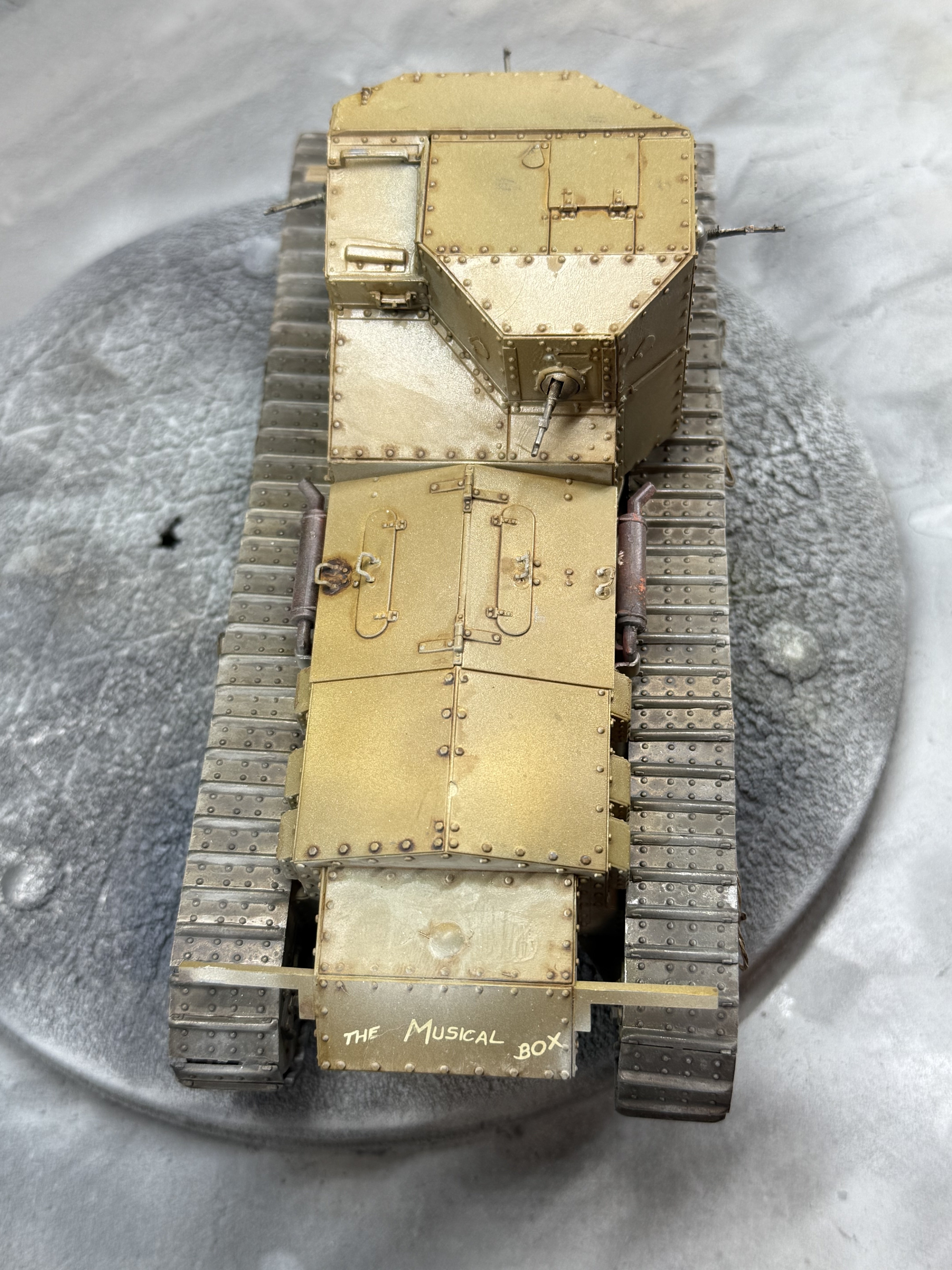
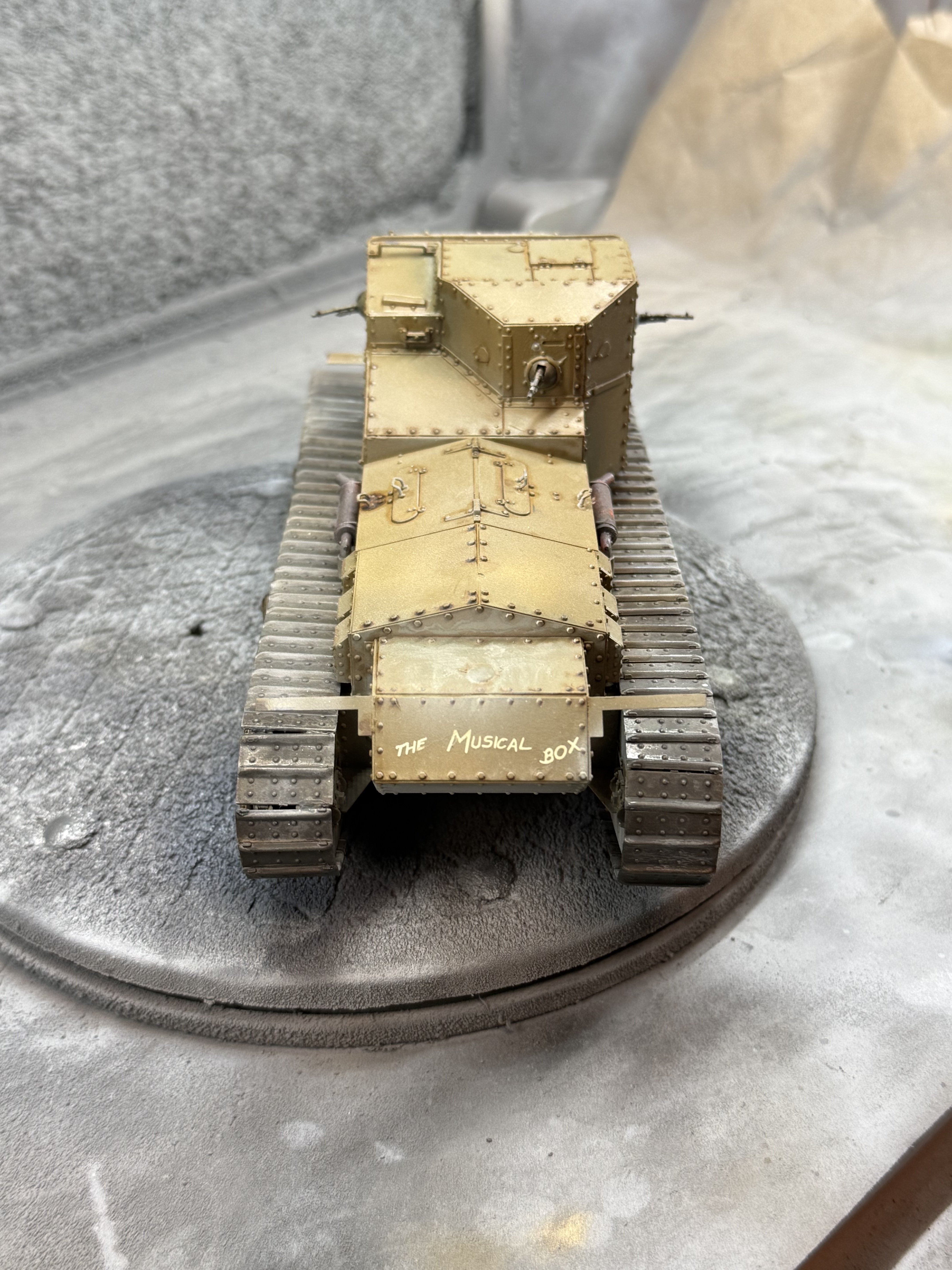
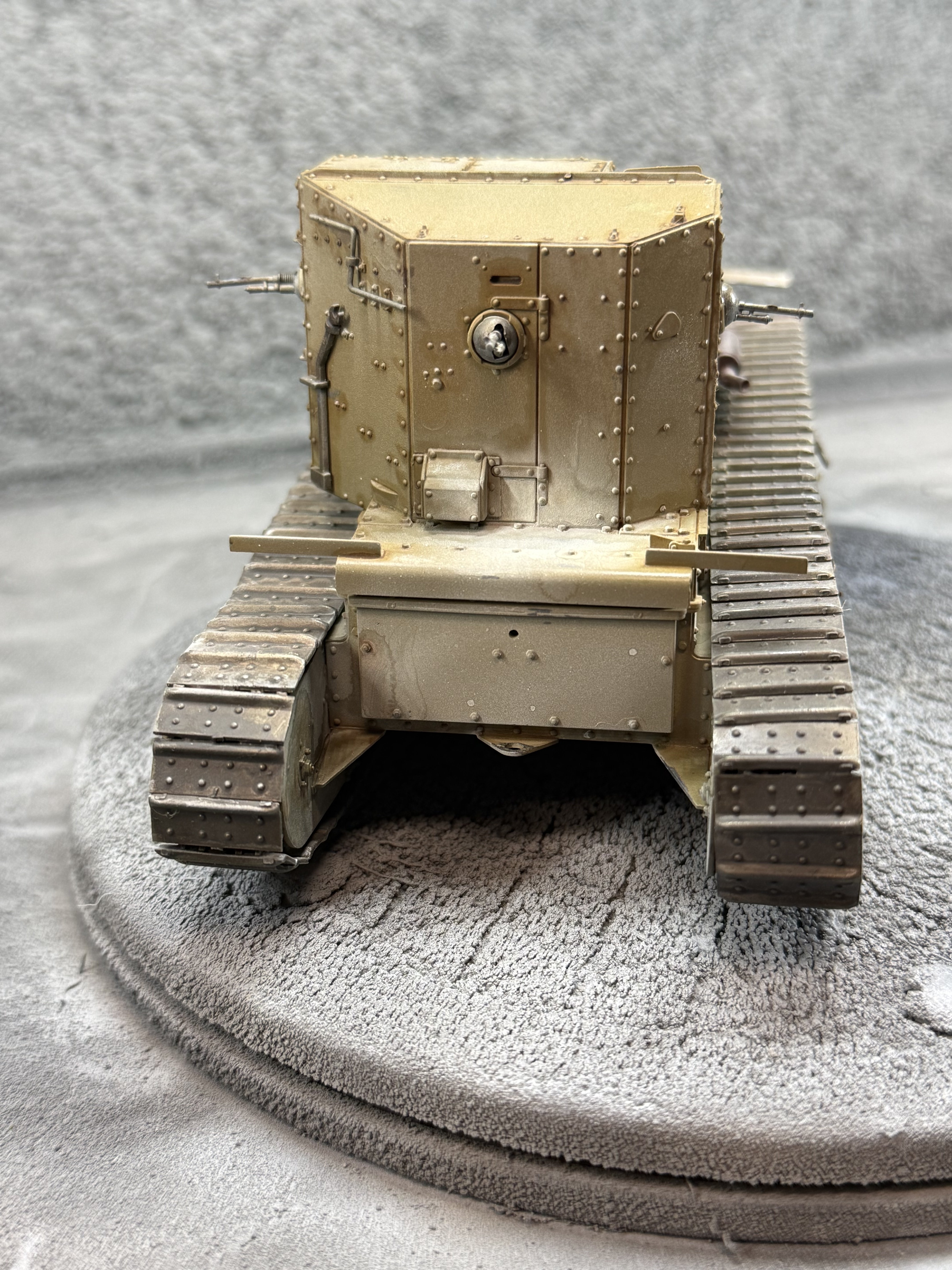
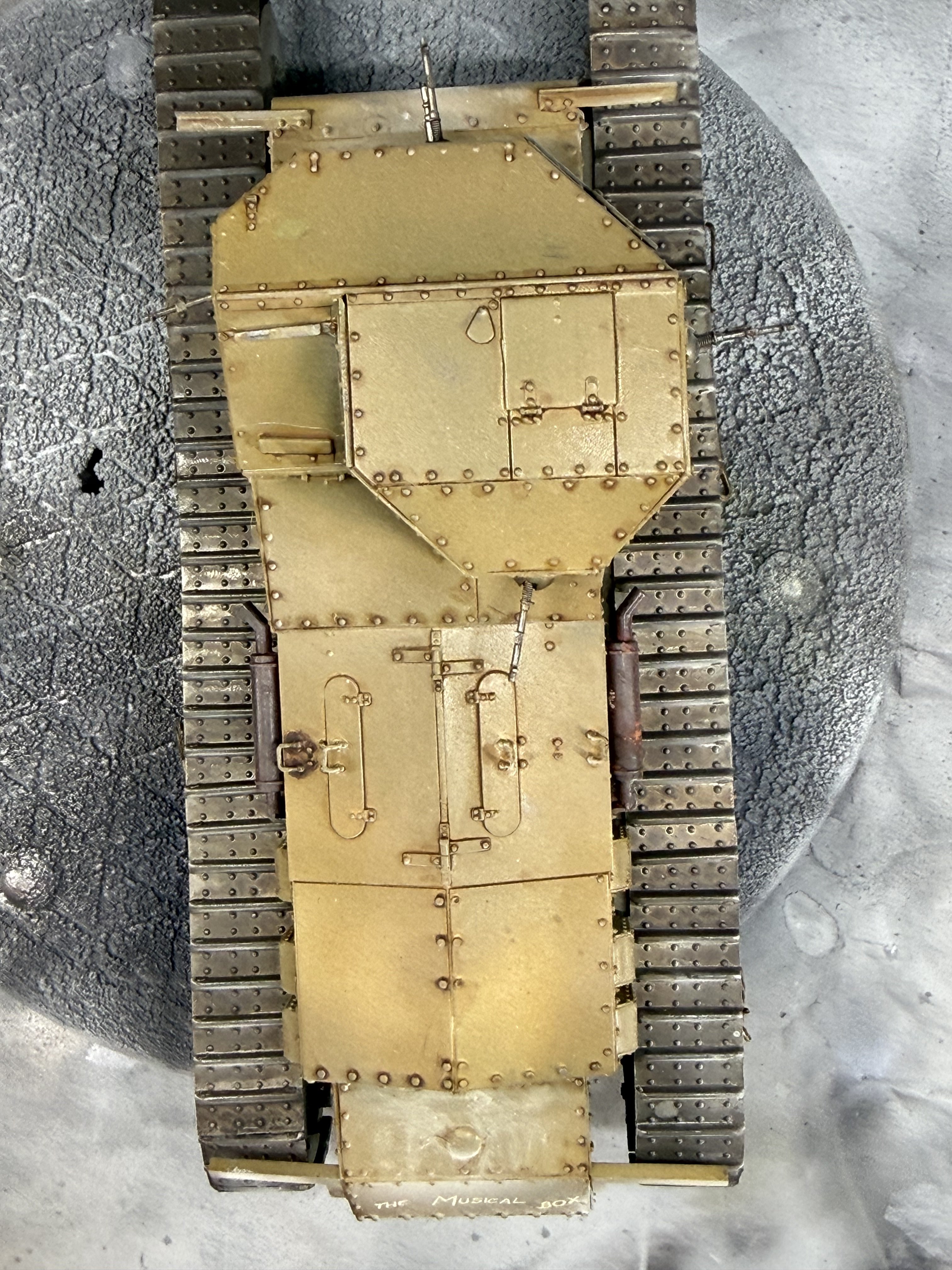
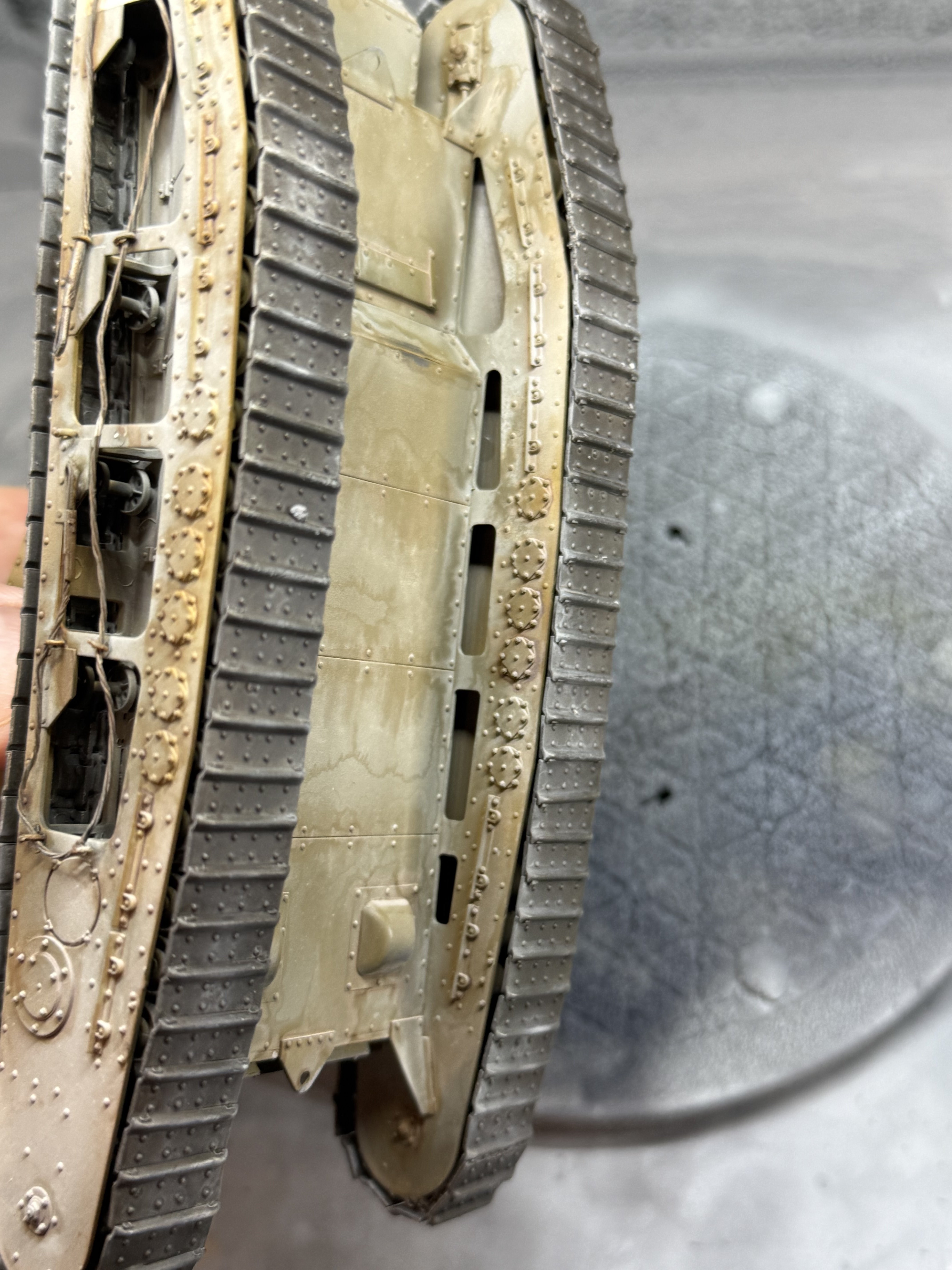
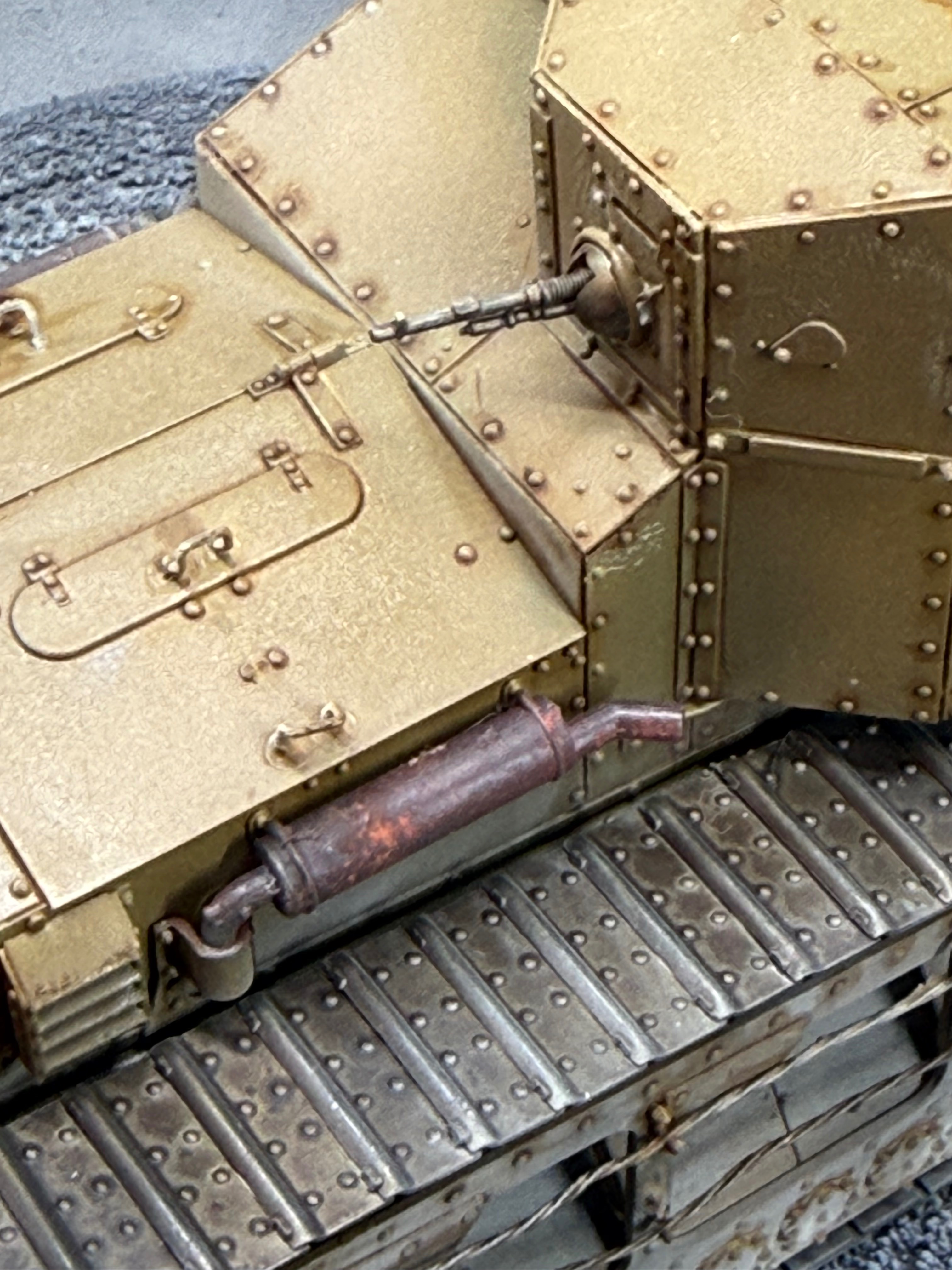
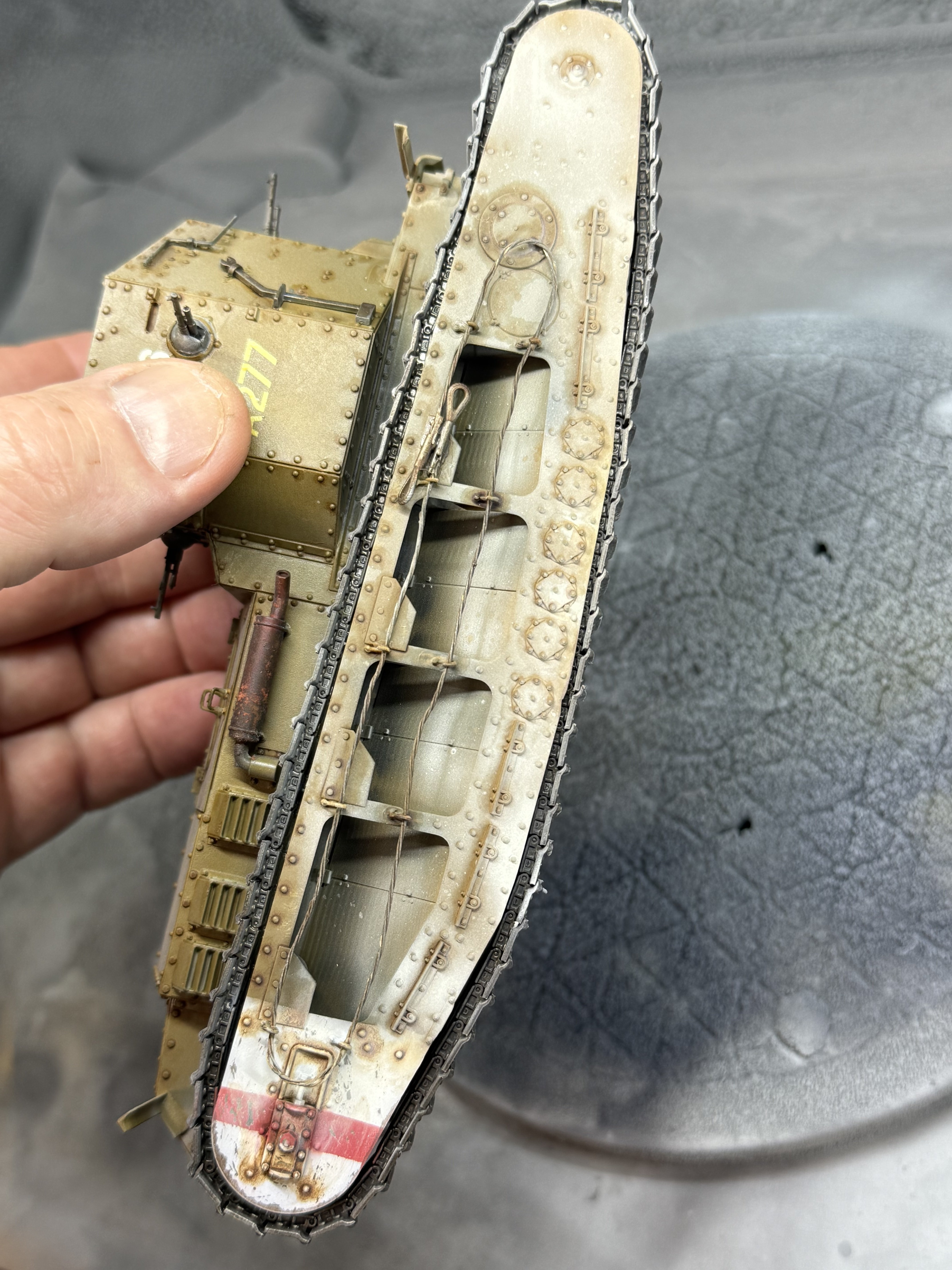
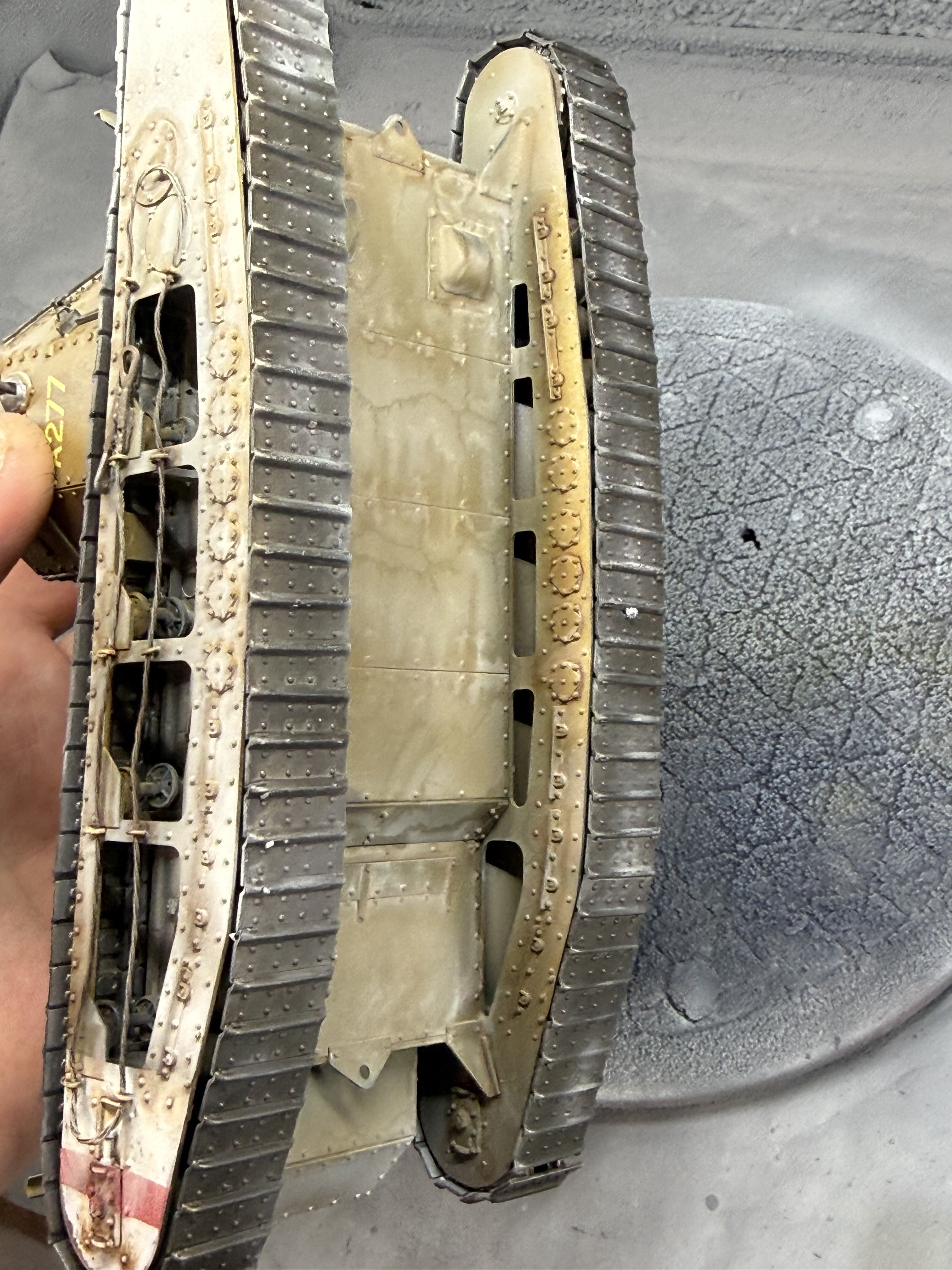
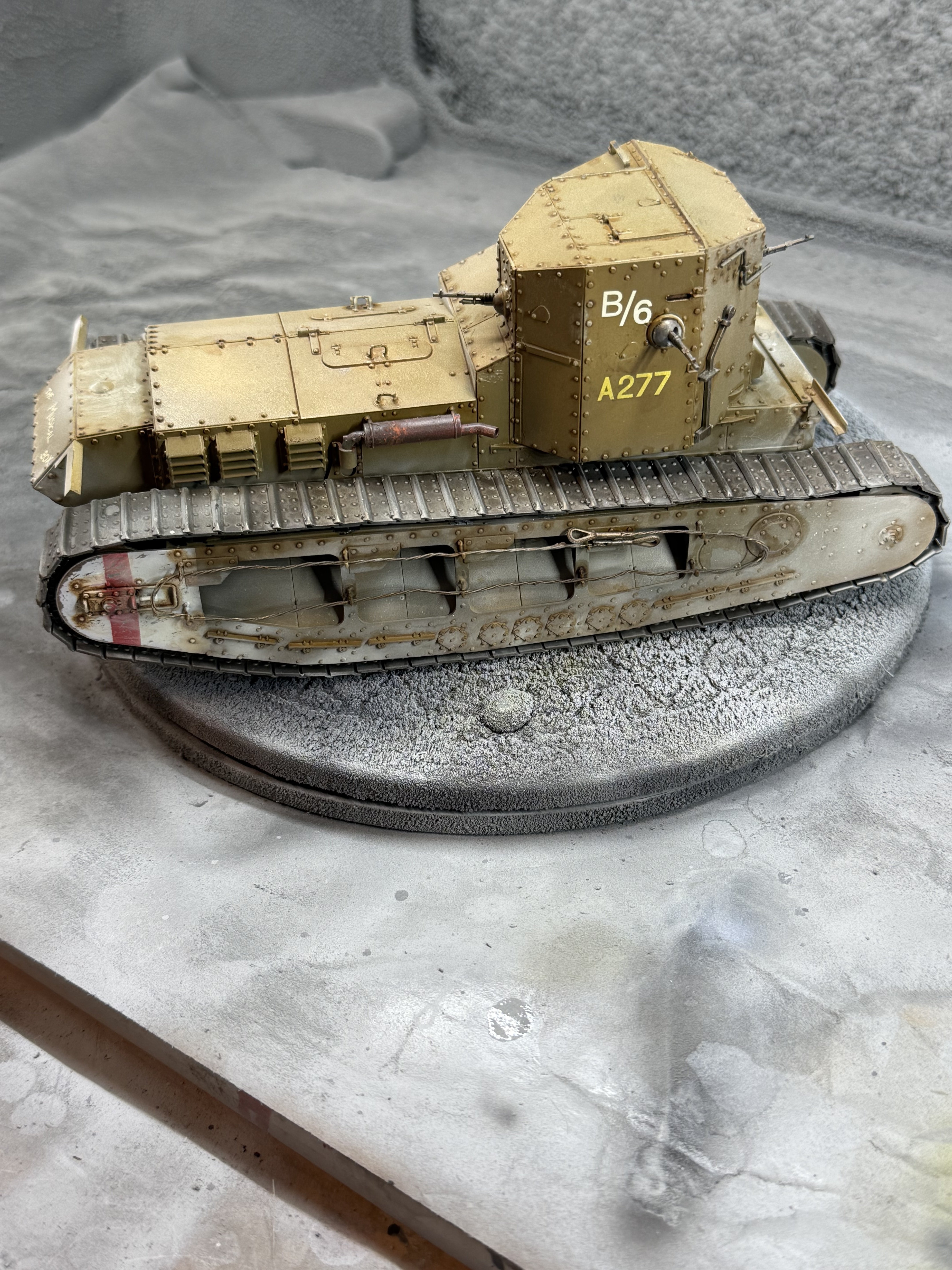
Meng MK. A Whippet British medium tank 1/35.

Scale Model Addict - Model Tips, Guides, Tools & Tech, Tutorials, and Community

Help Support Scale Model Addict:

Whippets were only used on the Western Front in 1918, and by the summer fighting they were involved in, conditions were largely dry and dusty rather than wet and muddy. That fighting was also largely over ground that had not been chewed up by shellfire for three years, but over largely "fresh" ground because the German spring offensives had pushed the Allies far back from the trenches they had sat in from late 1914 until early 1918.
 
Whippets were only used on the Western Front in 1918, and by the summer fighting they were involved in, conditions were largely dry and dusty rather than wet and muddy. That fighting was also largely over ground that had not been chewed up by shellfire for three years, but over largely "fresh" ground because the German spring offensives had pushed the Allies far back from the trenches they had sat in from late 1914 until early 1918.
Ok that's what I had read too.
 
Calling it finito! I learned some things in my research and verified a few things with jacko- thank you Jacko! I realized I had decals for "the music box" and so I went with that. WTH. Site is acting funny. Well I had described everything I did and I'm not typing all that again. If you want to know ask and I'll tell you. That's simply irritating. All my pics disappeared too.
 

Attachments

  • IMG_8641.jpeg
    IMG_8641.jpeg
    3 MB
  • IMG_8644.jpeg
    IMG_8644.jpeg
    3.4 MB
  • IMG_8643.jpeg
    IMG_8643.jpeg
    2.5 MB
  • IMG_8642.jpeg
    IMG_8642.jpeg
    2.4 MB
  • IMG_8645.jpeg
    IMG_8645.jpeg
    2.9 MB
  • IMG_8646.jpeg
    IMG_8646.jpeg
    2 MB
  • IMG_8647.jpeg
    IMG_8647.jpeg
    1.9 MB
  • IMG_8650.jpeg
    IMG_8650.jpeg
    1.9 MB
  • IMG_8649.jpeg
    IMG_8649.jpeg
    2.2 MB
  • IMG_8648.jpeg
    IMG_8648.jpeg
    1.6 MB
As an Amazon Associate we earn from qualifying purchases. Product prices and availability are accurate as of the date/time indicated and are subject to change.
Well, these pics came through.
I really like this one.
The subject, the build, the finish.
Big thumbs up! 👍
I may add to it. I tried to scratch build some gas cans and a tarp for the top but I wasn't happy with the look. It appeared to be a bundle, so I may order some cans and attach them to the top. Not sure yet. I also didn't attach the spare tracks which I may do.
 
With spare tracks, do you mean the big blocks sometimes seen hanging from the sides and attached to the cab roof? Those are wooden grousers with metal ends, meant to be attached to the tracks for better traction.
 
With spare tracks, do you mean the big blocks sometimes seen hanging from the sides and attached to the cab roof? Those are wooden grousers with metal ends, meant to be attached to the tracks for better traction.
Well that would explain why the directions stated to paint them wood brown! Haha. Thanks. I would have finished them as spare track links.
 
First World War tanks typically had the engine out in the open inside the crew compartment.
This was true even on the very large landship versions. Many soldiers were harmed as much by toxic gas and/or asphyxiation as enemy actions.
 
Many soldiers were harmed as much by toxic gas and/or asphyxiation as enemy actions.
In British tanks before the Mk. IV, the exhaust consisted of the engine just venting its exhaust gases into the crew compartment, and them then escaping through louvres in the roof … The Mk. IV was the first one with an actual exhaust pipe leading to the rear of the tank. Oh, and of course there's the fumes from all of the guns firing.

And let's not forget heat. Imagine sitting within arm's reach of a big, running engine for hours on end wearing thick leather clothes or canvas coveralls over a woolen uniform.

But it also made it easier to warm up mire's!
I take it that's autocorrect for MREs? :) Fun fact there: Australian Centurion tanks in Vietnam had pieces of angle iron welded to the covers over the exhaust mufflers, just far enough apart that a ration tin would fit between them. They doubled up as boot scrapers, too.
 
of course there's the fumes from all of the guns firing.
Relating this to those steel-coffins the primitive WWI U-boats (another current thread here) and the horrific existence for soldiers in the trenches of Flanders or the jungles of 'Nam it makes me think that the Air Corp/Force was the way to go. Not that dying alone in flames at 20,000ft is fun or anything but fighter pilots generally had a better existence. Bomber crews not so much, 8-12 hour sorties unpressurized in sub-zero temperatures with open windows...yikes! I read the book "The Might Eight" long ago and just the horrors of biological functions alone is the kind of thing you'll never forget.
 
In British tanks before the Mk. IV, the exhaust consisted of the engine just venting its exhaust gases into the crew compartment, and them then escaping through louvres in the roof … The Mk. IV was the first one with an actual exhaust pipe leading to the rear of the tank. Oh, and of course there's the fumes from all of the guns firing.

And let's not forget heat. Imagine sitting within arm's reach of a big, running engine for hours on end wearing thick leather clothes or canvas coveralls over a woolen uniform.


I take it that's autocorrect for MREs? :) Fun fact there: Australian Centurion tanks in Vietnam had pieces of angle iron welded to the covers over the exhaust mufflers, just far enough apart that a ration tin would fit between them. They doubled up as boot scrapers, too.
Yes darn autocorrect …or a fat thumb!
 

Latest posts

Back
Top