
In my usual state of insomnia again last night so I started this kit. Who am I kidding, I've been jonesing to start this kit since I bought it! Lots of detail! And lots of small parts that shot all about the room! They actually supplied rods and springs for the vertical spring suspension system! It would be so nice if instructions labeled , not just the part number, but the name of the part. I've seen that on a couple of kits and it makes the building experience much different.

You are using an out of date browser. It may not display this or other websites correctly.
You should upgrade or use an alternative browser.
You should upgrade or use an alternative browser.
Meng French FT (17) 1/35
- Thread starter Ron2
- Start date
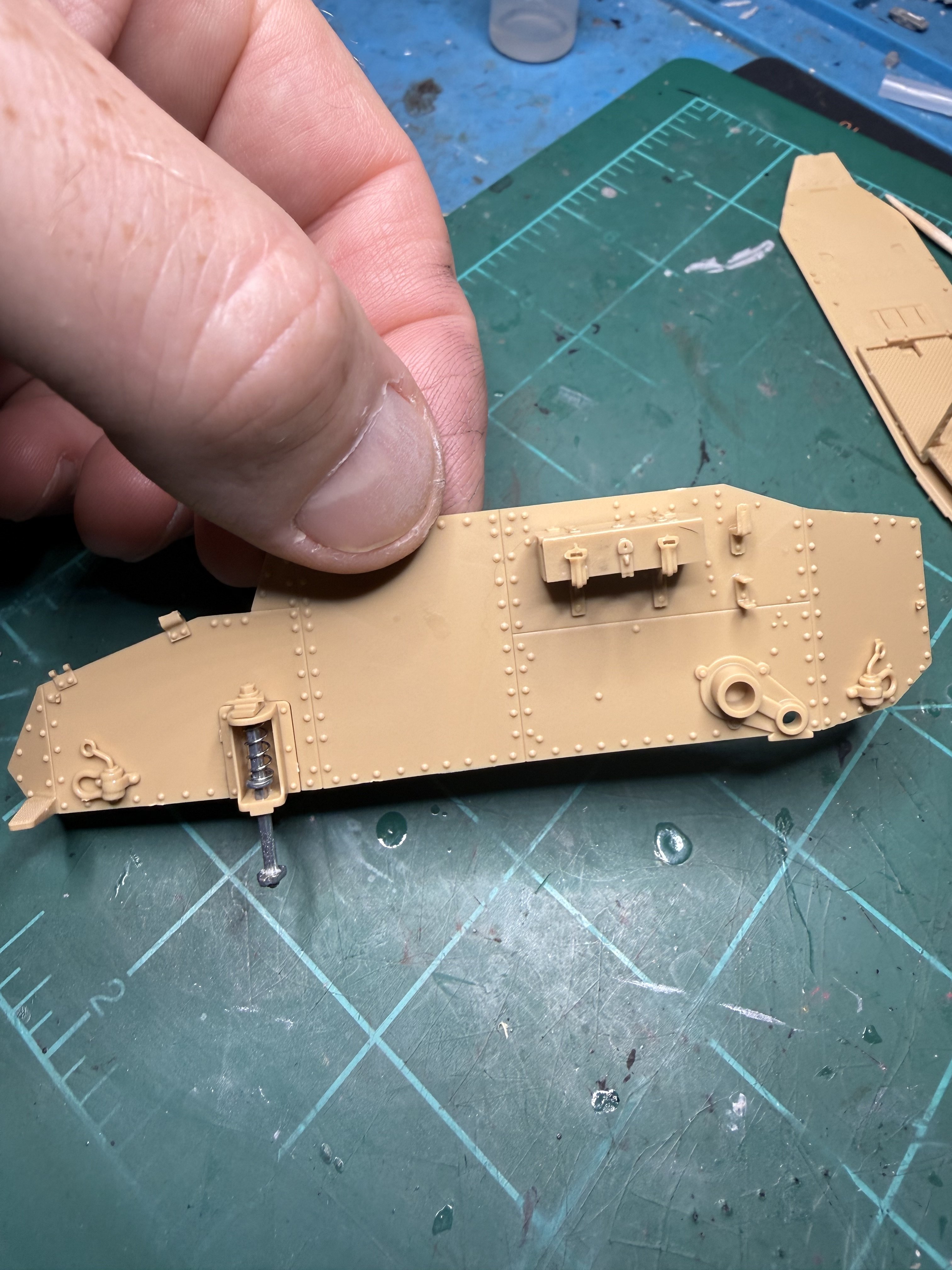
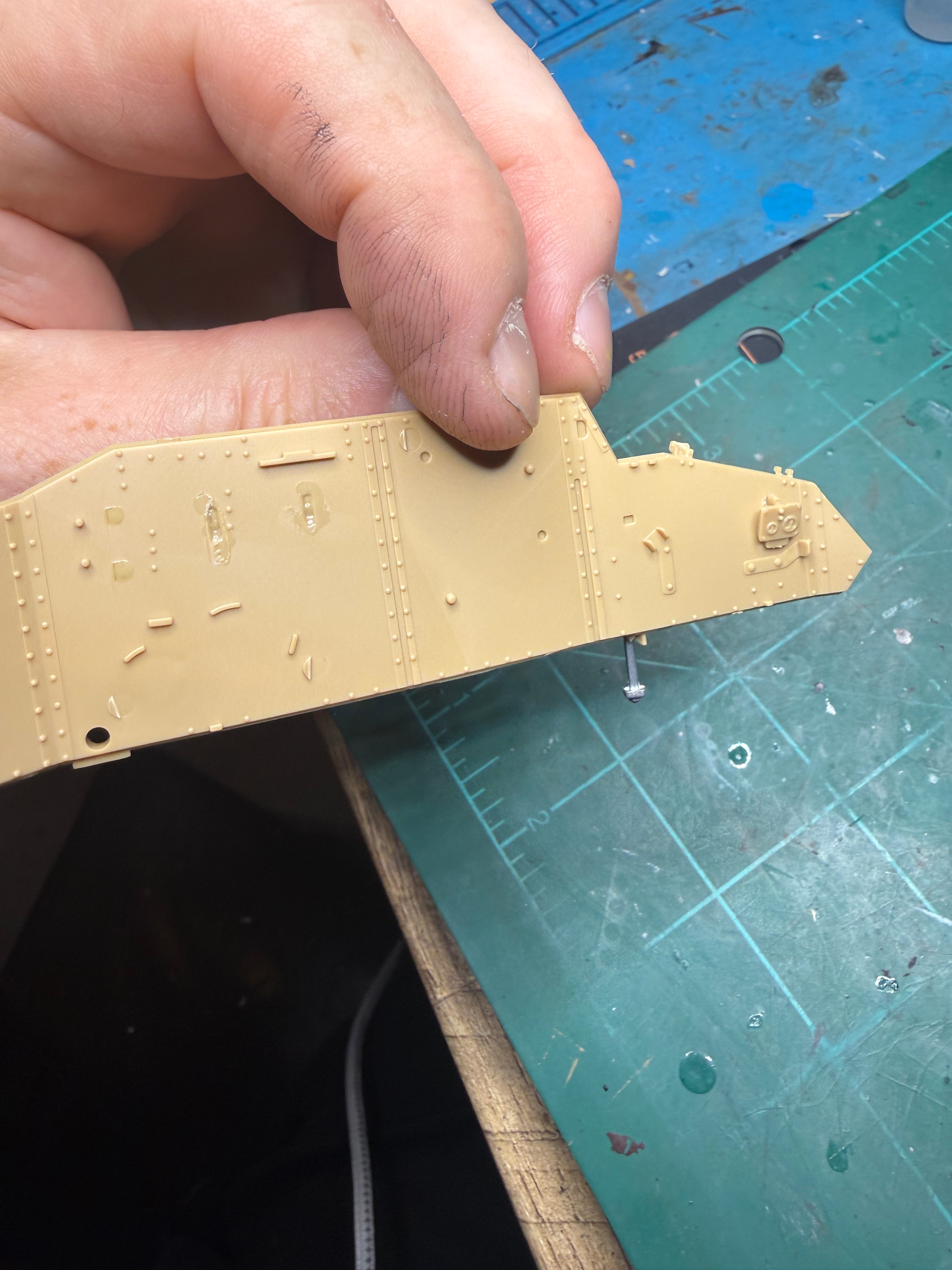
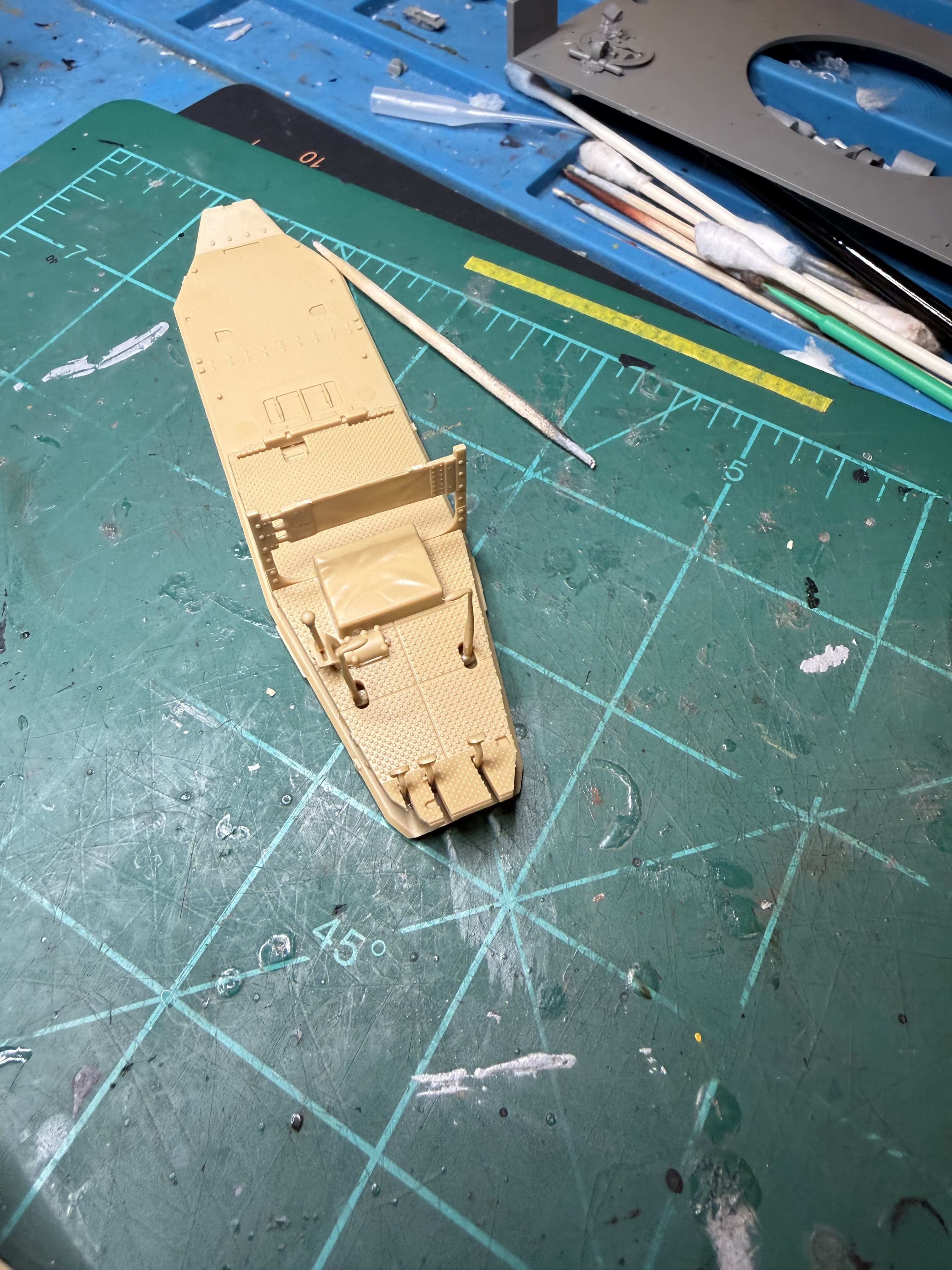
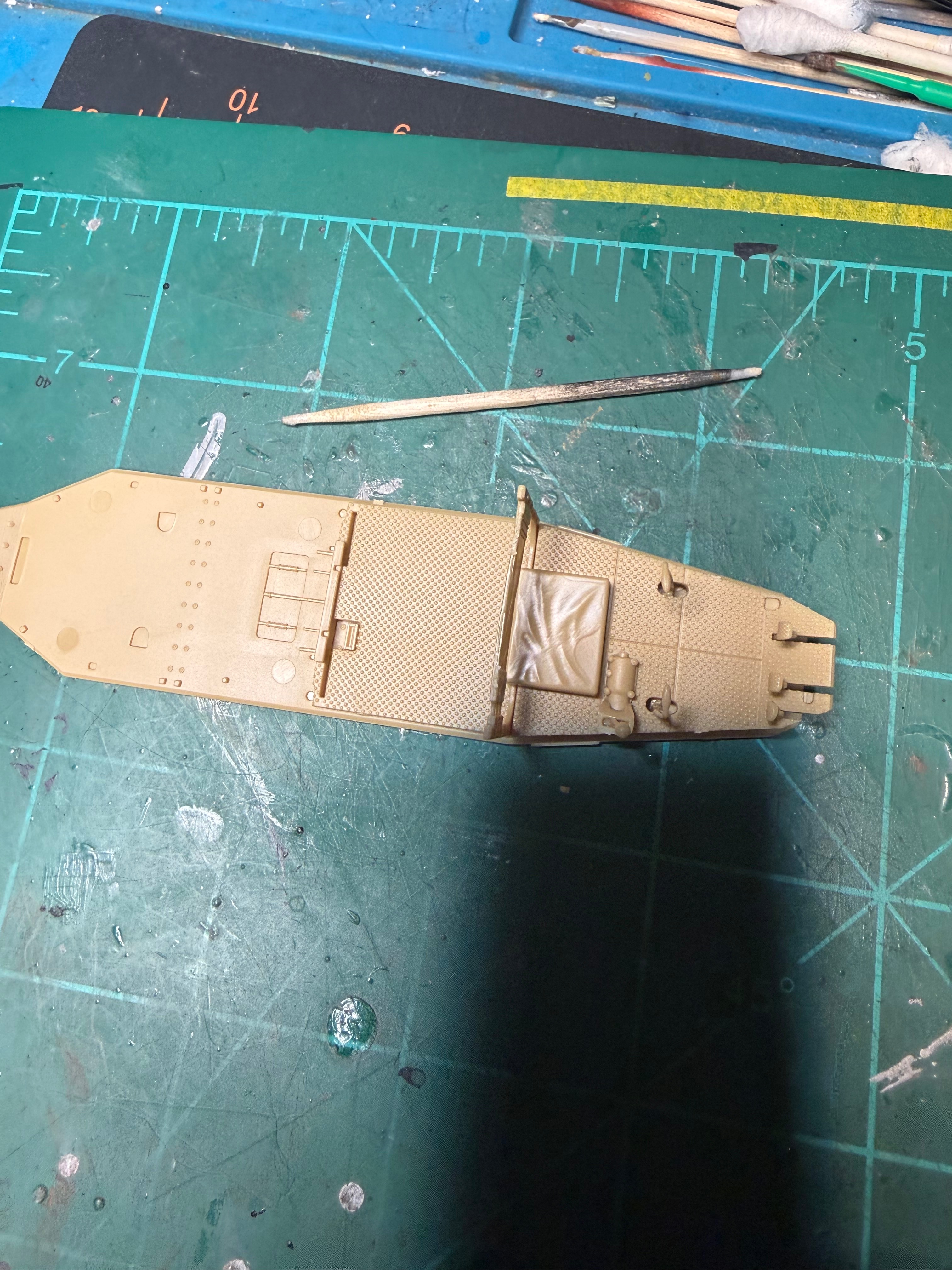

I couldn't agree more! Whether it is a street rod, an aircraft or a tank, I like to understand what I'm looking at.the name of the part
And if I knew what the thing was, I might not've made some bonehead mistake, gluing it upside down or in the wrong spot.
I've been taking pics and asking AI what the part is. The majority of the time it's wrong.I couldn't agree more! Whether it is a street rod, an aircraft or a tank, I like to understand what I'm looking at.
And if I knew what the thing was, I might not've made some bonehead mistake, gluing it upside down or in the wrong
Yes it is!She's TINY!
I have French H-39 Hotchkiss and R35 Light tanks in the stash... they aren't much bigger!


![Pampers Sensitive Baby Wipes, Clinically Proven, Fragrance Free, Unscented, Water Based, Hypoallergenic, Multi-Use, Hand Wipes 336 Wipes Total (6X Flip-Top Packs) [Packaging May Vary]](https://m.media-amazon.com/images/I/41KLBHu9CAL._SL500_.jpg)



As an Amazon Associate we earn from qualifying purchases. Product prices and availability are accurate as of the date/time indicated and are subject to change.
Insightful observation.progression
To my mind it's like the first iterations look very deliberate, and the technology is obvious in what it's meant to accomplish...
Then over time, the functionality gets hidden in ever more complex technology.
Think of the Model T: walk around it and you can see pretty much everything and figure out how it works.
A modern car provides the same basic functionality, only buried and hidden under layers of tech, cosmetic niceties and gadgets that add nothing to the basic purpose of the car (and Ford's horseless carriage): getting you from A to B.
So then the question becomes, is it really progress?Insightful observation.
To my mind it's like the first iterations look very deliberate, and the technology is obvious in what it's meant to accomplish...
Then over time, the functionality gets hidden in ever more complex technology.
Think of the Model T: walk around it and you can see pretty much everything and figure out how it works.
A modern car provides the same basic functionality, only buried and hidden under layers of tech, cosmetic niceties and gadgets that add nothing to the basic purpose of the car (and Ford's horseless carriage): getting you from A to B.

Jakko
Well-Known Member
That's easy: Would you rather drive your current car or a 1920s one for everyday use?
In tanks, it's even clearer: progress is driven by the need to have a better tank than the enemy. You could use a Model T for your daily commute, but an FT wouldn't survive ten seconds on a modern battlefield. Sure, it's just as protected against machine gun bullets as it was a hundred years ago, but this is what a modern anti-tank weapon leaves of a T-80:
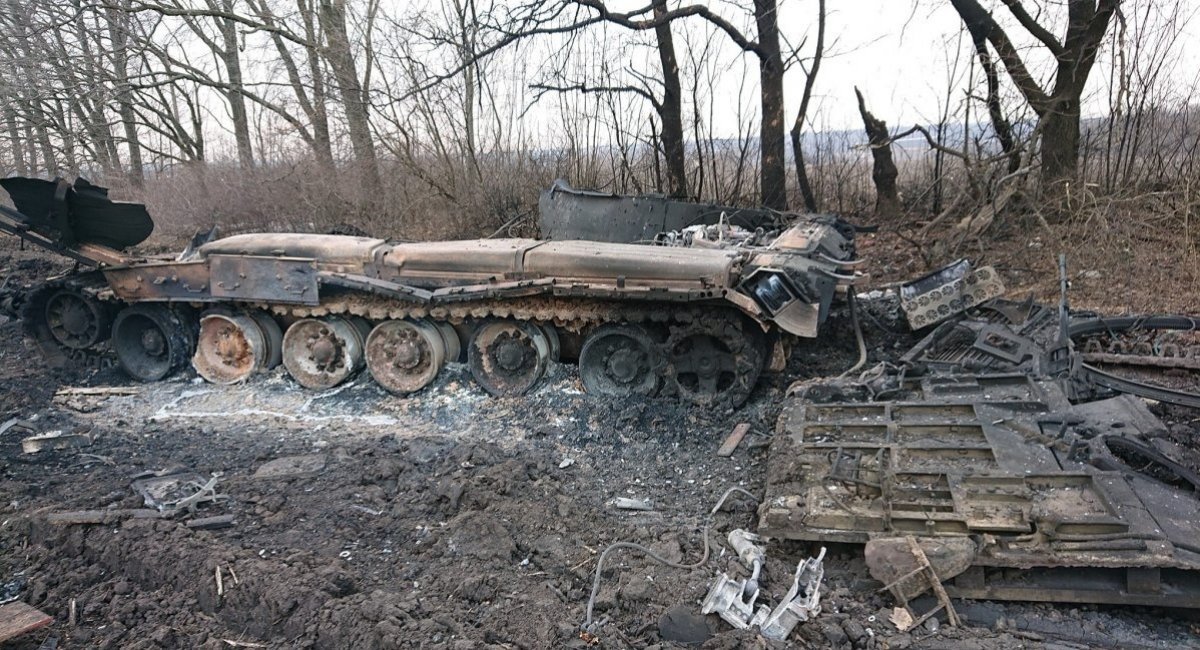
Now imagine what happens if something that does that, hits a tank with armour no thicker than your finger.
In tanks, it's even clearer: progress is driven by the need to have a better tank than the enemy. You could use a Model T for your daily commute, but an FT wouldn't survive ten seconds on a modern battlefield. Sure, it's just as protected against machine gun bullets as it was a hundred years ago, but this is what a modern anti-tank weapon leaves of a T-80:
Now imagine what happens if something that does that, hits a tank with armour no thicker than your finger.
To me, that is a separate issue: really depends on the criteria used to measure progress... @Jakko gives a good example of progress in terms of survivability.So then the question becomes, is it really progress?
My point was more about what makes old tech appealing to us model builders and tinkerers.
Yes I wasn't suggesting an old tank is better than a new tank in terms of survivability. That's would be insane to suggest. I was making more of a general comment about "progress" not really being progress when factors such as cost, repair ability, etc are factored in. In 1925 a model at was around $250, that would be around $4500 today, and a driver armed with a few simple tools could do almost any repair on their car vs today's cars where most people can't even change their air filter and a windshield replacement is over $1k. Again, obviously I'd much rather drive a few hours in my current car over a model T. However, progress should be more than simply faster and more comfortable in my opinion. And don't get me started on tech and safety because these drivers growing up with this tech are missing driving skills and safe habits because of said tech.To me, that is a separate issue: really depends on the criteria used to measure progress... @Jakko gives a good example of progress in terms of survivability.
My point was more about what makes old tech appealing to us model builders and tinkerers.
I wasn't suggesting an old tank could compete with a modern tank or a model T as being more comfortable than a modern car. It's the nuances of what makes up progress was my muse.That's easy: Would you rather drive your current car or a 1920s one for everyday use?
In tanks, it's even clearer: progress is driven by the need to have a better tank than the enemy. You could use a Model T for your daily commute, but an FT wouldn't survive ten seconds on a modern battlefield. Sure, it's just as protected against machine gun bullets as it was a hundred years ago, but this is what a modern anti-tank weapon leaves of a T-80:
View attachment 195683
Now imagine what happens if something that does that, hits a tank with armour no thicker than your finger.

Edbert
Well-Known Member
- Joined
- May 16, 2024
- Messages
- 3,117
I find my ~55 year old car to be more fun to drive than my 2026. Not as confortable, but fun, and it gets waves and thumbs-ups from other drivers like crazy. But I think the concept of "progress" also has other considerations when it comes to military hardware/tech.I was making more of a general comment about "progress"
It has been said that the Generals (and defense contractors) are always planning and building for the last war.
Witness the US continuing to build more and more HUGE aircraft carriers despite just seeing (months ago) several of the latest/greatest/newest/biggest (Gerald Ford Class) nuclear-powered aircraft carries held back at an extreme distance due to a threat from cheap drones. To be clear, they have defenses for drone-swarms, but those defenses can be depleted within an hour, costing millions of dollars, and taking days to replenish often requiring a return to port.
I think the era of the MBTs and APVs dominating the battlefield are over, at least for a while. Also the large number of troops being "in the lines" is in the middle of going away as well. There are land-based drones too.
I don't doubt it: the lack of 'assistive' technology means you are more engaged, less passive and more 'in the moment'.more fun to drive than my 2026
The end game for tech in cars seems to be 'self-driving', so if you are like me, and love the experience of driving a vehicle through physical space, that will be a very sad day.
Yes it's easy to see what the end game is going to be. It's interesting because technology was supposed to make things cheaper. I remember when they came out with movies on demand, it was going to drop the price of movie rentals- which I recall being $2. Once the video stores were out of business that changed. Now you can spend up to $20 for an on demand movie that does not require a storefront or employees. Tech in self driving cars adds quite a bit of cost to the cars- although it's not in proportion to what manufacturers have spent to develop it- this should make us pause. My understanding is Teslas charge a monthly fee for auto-driving capabilities. Manufacturers implemented monthly subscriptions quite a few years ago, for people to enjoy luxury packages such as heated seats etc. Cars are already about 25% more years expensive than they were, comparatively, in 1960. Tech and subscriptions are going to make that divide even greater and it seems to me the end game is not just self-driven autos but autos that are no longer owned by individuals. Similar to what has happened in housing. So, to be long winded, back to progress. We've gone to two income families where kids are no longer parented, the average young person cannot afford to invest in a home, and autos, a symbol of freedom, are becoming automated, not repairable, and very expensive. Hmmm.I don't doubt it: the lack of 'assistive' technology means you are more engaged, less passive and more 'in the moment'.
The end game for tech in cars seems to be 'self-driving', so if you are like me, and love the experience of driving a vehicle through physical space, that will be a very sad day.
Last year I bought a 2018 because I didn't want all the new tech. I'm seriously thinking of getting an older car to get further away from tech - but I do love my heated massaging seats!I find my ~55 year old car to be more fun to drive than my 2026. Not as confortable, but fun, and it gets waves and thumbs-ups from other drivers like crazy. But I think the concept of "progress" also has other considerations when it comes to military hardware/tech.
It has been said that the Generals (and defense contractors) are always planning and building for the last war.
Witness the US continuing to build more and more HUGE aircraft carriers despite just seeing (months ago) several of the latest/greatest/newest/biggest (Gerald Ford Class) nuclear-powered aircraft carries held back at an extreme distance due to a threat from cheap drones. To be clear, they have defenses for drone-swarms, but those defenses can be depleted within an hour, costing millions of dollars, and taking days to replenish often requiring a return to port.
I think the era of the MBTs and APVs dominating the battlefield are over, at least for a while. Also the large number of troops being "in the lines" is in the middle of going away as well. There are land-based drones too.
Jakko
Well-Known Member
The situation is probably much the same as when anti-tank missiles and then attack helicopters became common in the 1970s and 1980s, respectively: the end of the tank was predicted with both of those as well. This didn't work out because of weaknesses in them that became apparent while countermeasures were being developed as well.I think the era of the MBTs and APVs dominating the battlefield are over, at least for a while.
The difference is that combat drones, unlike attack helicopters at the time, are extremely well-tested in actual war by now, but it's a matter of time before decent anti-drone measures are found as well. The battlefield then won't be back to where it was before it got flooded by cheap and cheerful drones, but the balance will tilt back to tanks, aircraft carriers etc. a bit again.
Kind of like when they thought air warfare would eliminate ground troops or when they thought the days of fighter pilots were over.The situation is probably much the same as when anti-tank missiles and then attack helicopters became common in the 1970s and 1980s, respectively: the end of the tank was predicted with both of those as well. This didn't work out because of weaknesses in them that became apparent while countermeasures were being developed as well.
The difference is that combat drones, unlike attack helicopters at the time, are extremely well-tested in actual war by now, but it's a matter of time before decent anti-drone measures are found as well. The battlefield then won't be back to where it was before it got flooded by cheap and cheerful drones, but the balance will tilt back to tanks, aircraft carriers etc. a bit again.
Sorry but another comment. It's also similar to the talk of warfare will be robot driven, sure until your side is out of robots and then people will fight the enemies robots.The situation is probably much the same as when anti-tank missiles and then attack helicopters became common in the 1970s and 1980s, respectively: the end of the tank was predicted with both of those as well. This didn't work out because of weaknesses in them that became apparent while countermeasures were being developed as well.
The difference is that combat drones, unlike attack helicopters at the time, are extremely well-tested in actual war by now, but it's a matter of time before decent anti-drone measures are found as well. The battlefield then won't be back to where it was before it got flooded by cheap and cheerful drones, but the balance will tilt back to tanks, aircraft carriers etc. a bit again.
Jakko
Well-Known Member
Here's what I photographed of the inside of the FT in the Royal Army Museum in Brussels:
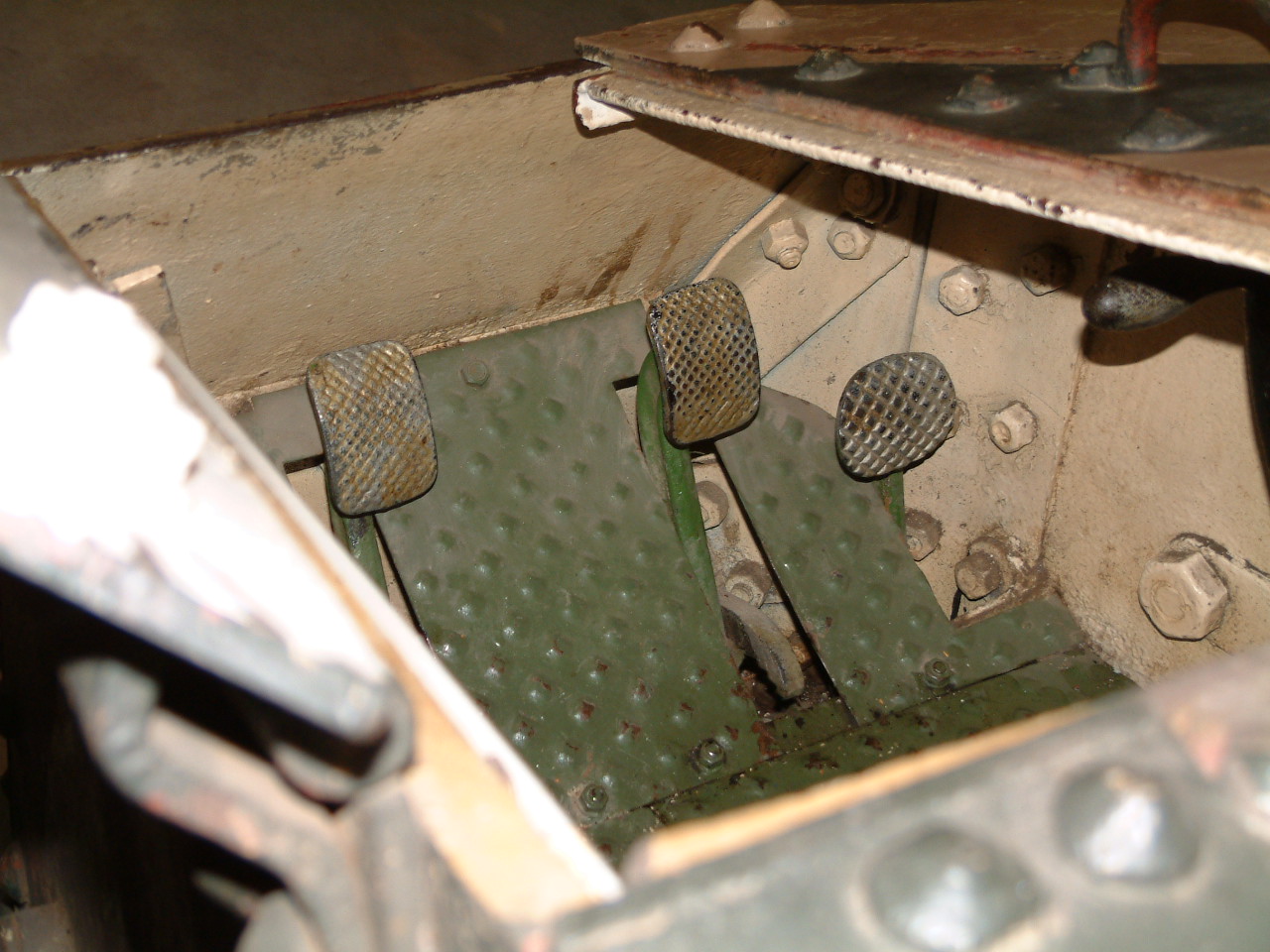
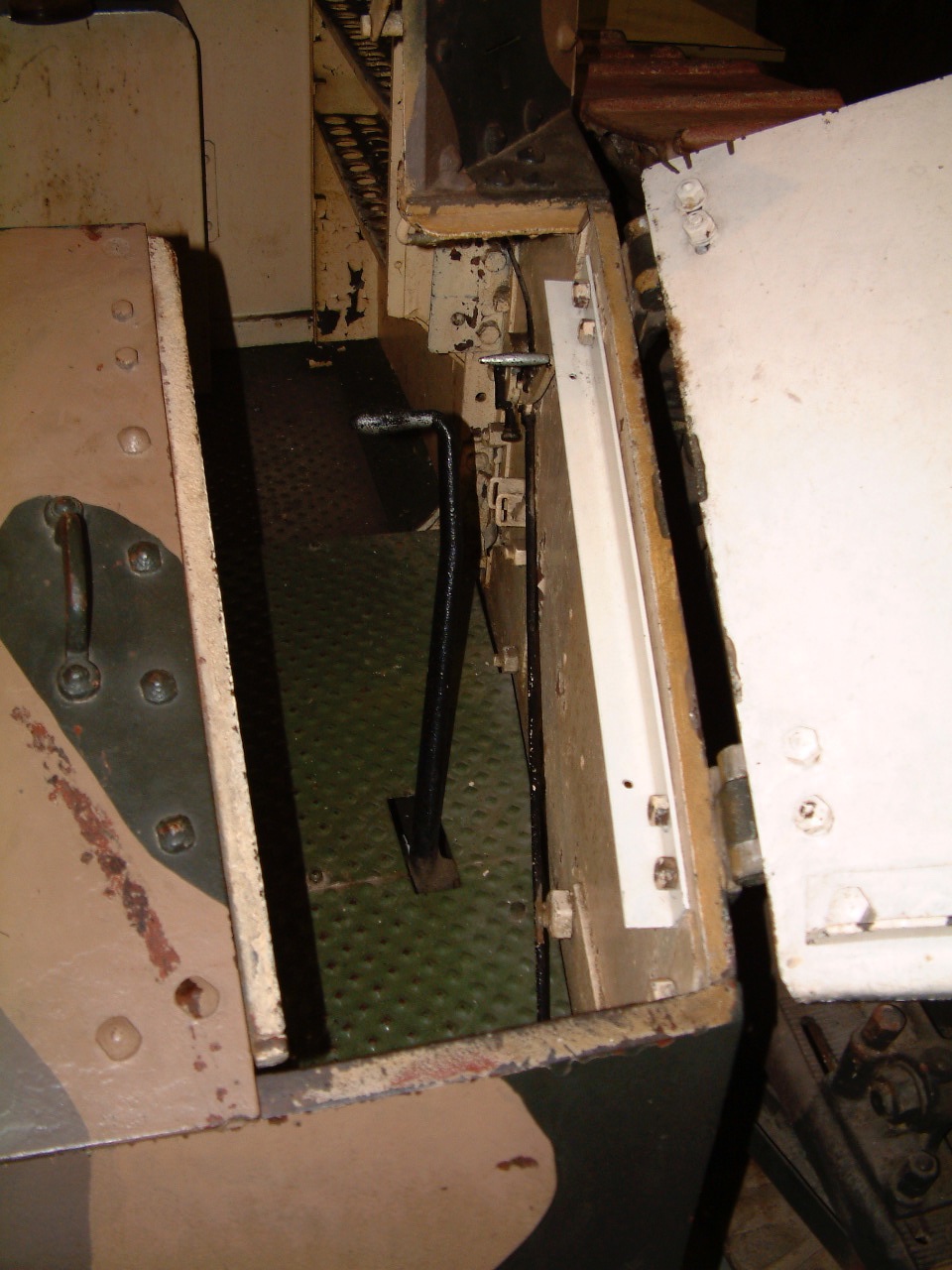
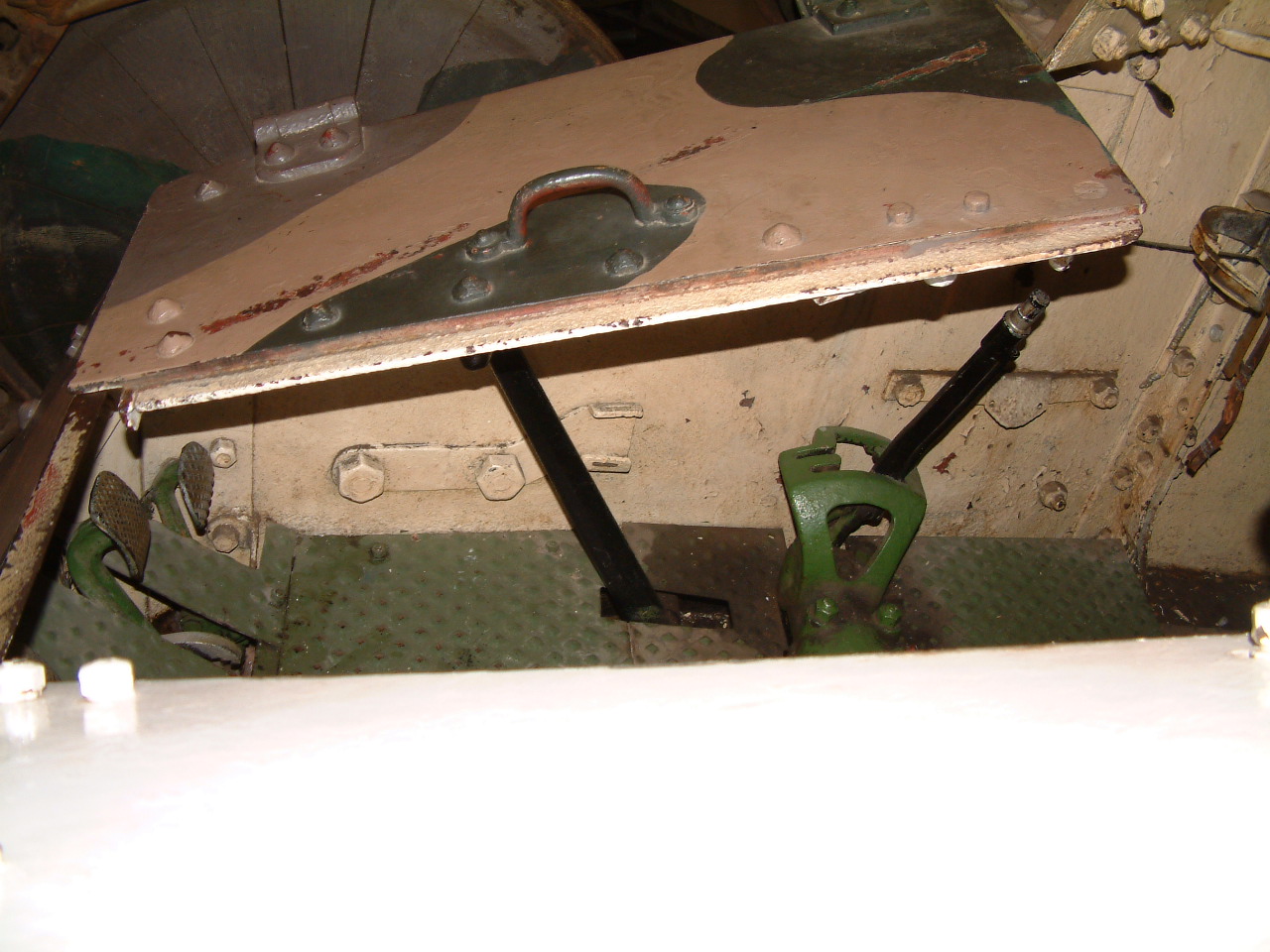
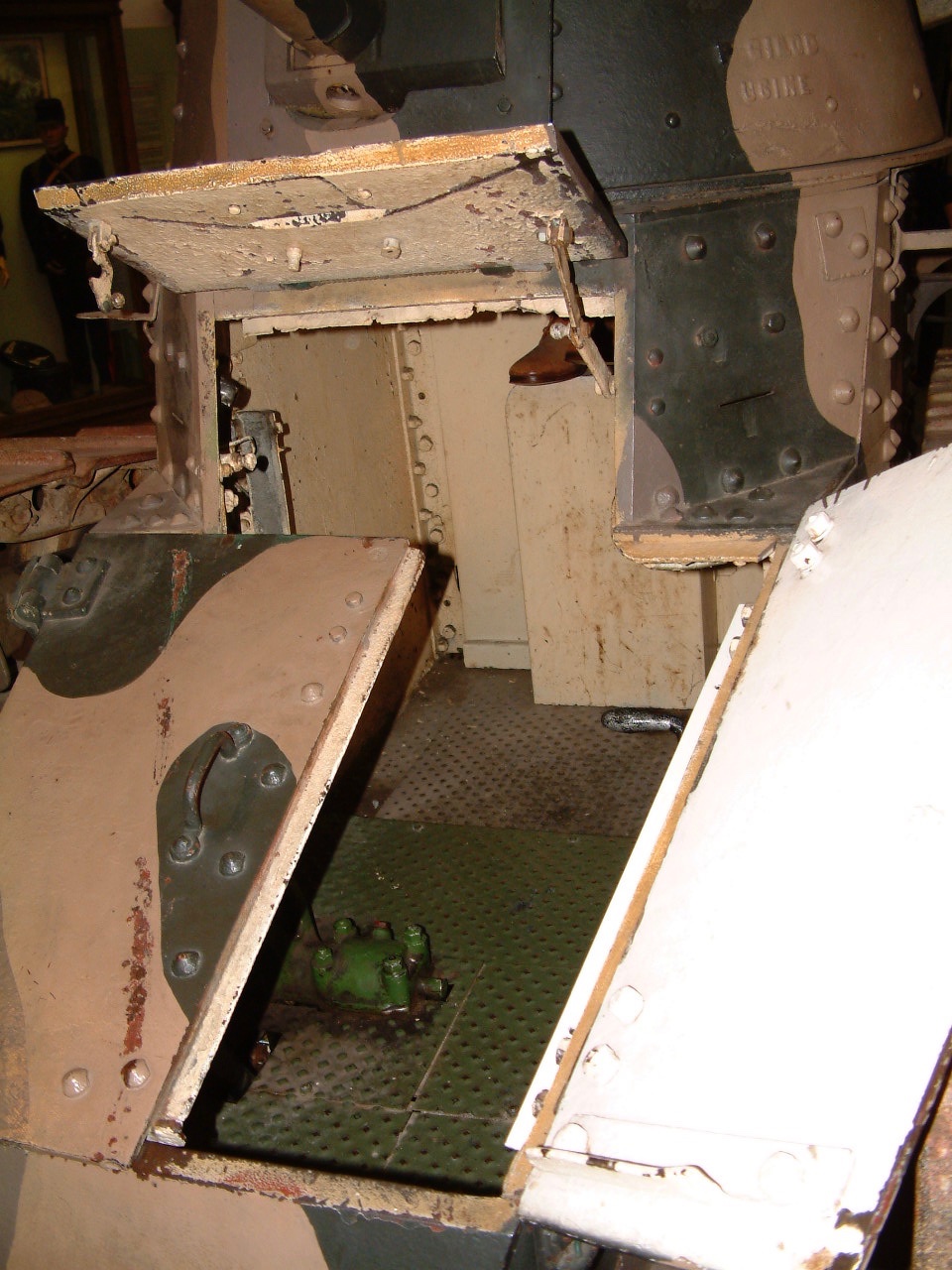
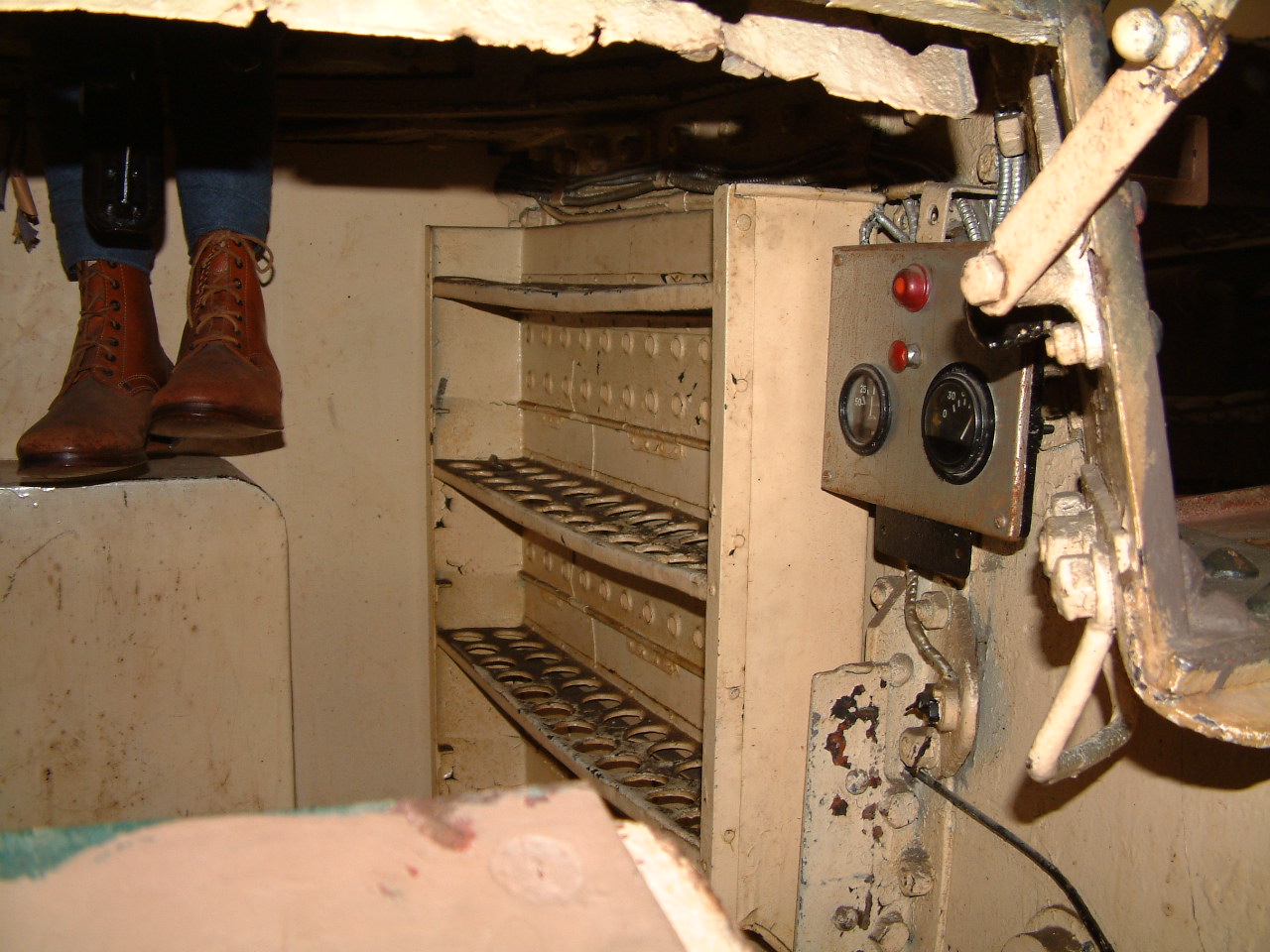
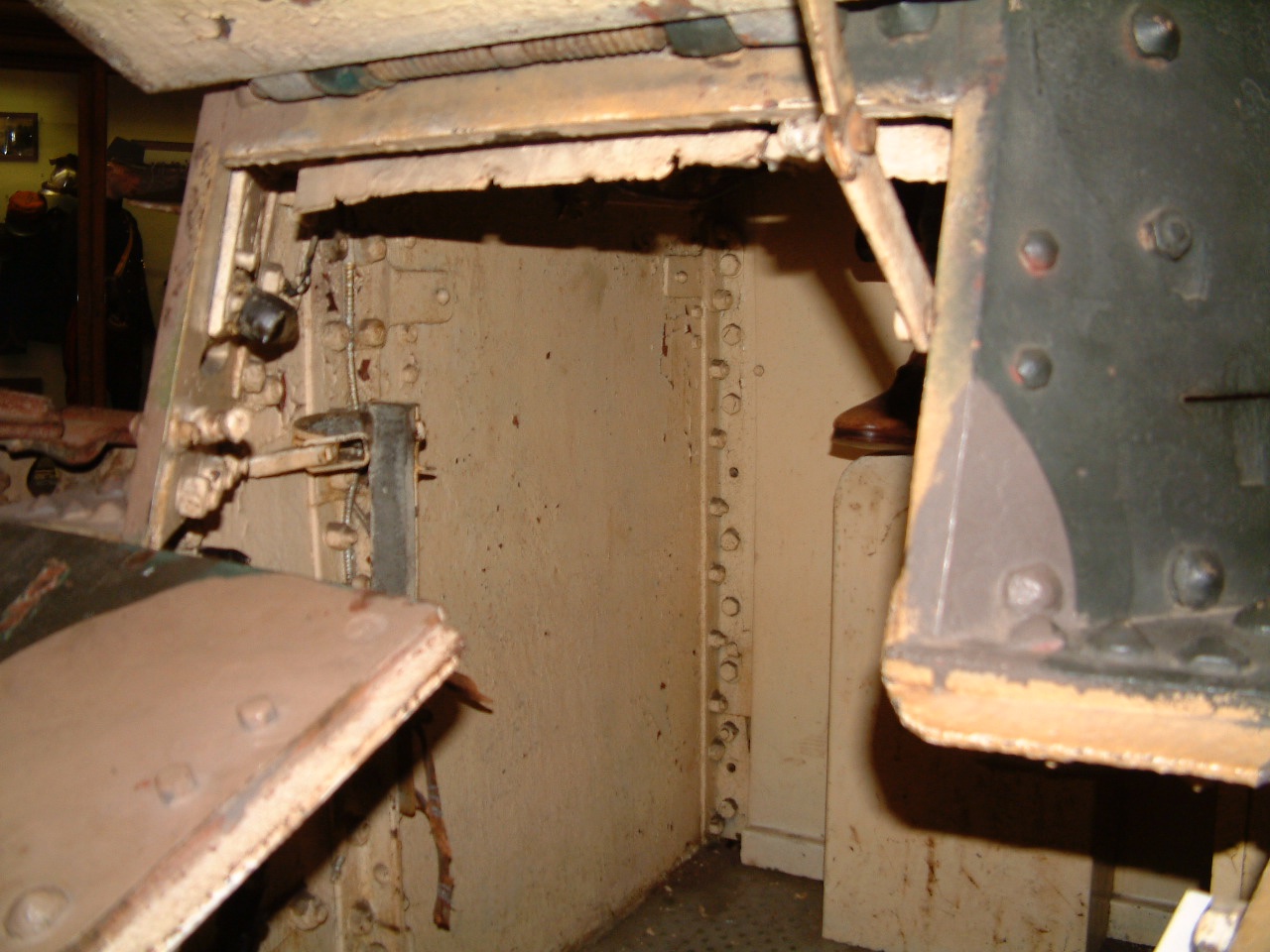
Not sure if the interior colours are original, though. The outside of the tank has certainly been repainted, so chances are the inside has been as well. The instrument panel looks too recent to me to be original, too — it looks 1960s/'70s. The aluminium strip held on with four bolts, just below the open hatch, is definitely not original.
Not sure if the interior colours are original, though. The outside of the tank has certainly been repainted, so chances are the inside has been as well. The instrument panel looks too recent to me to be original, too — it looks 1960s/'70s. The aluminium strip held on with four bolts, just below the open hatch, is definitely not original.
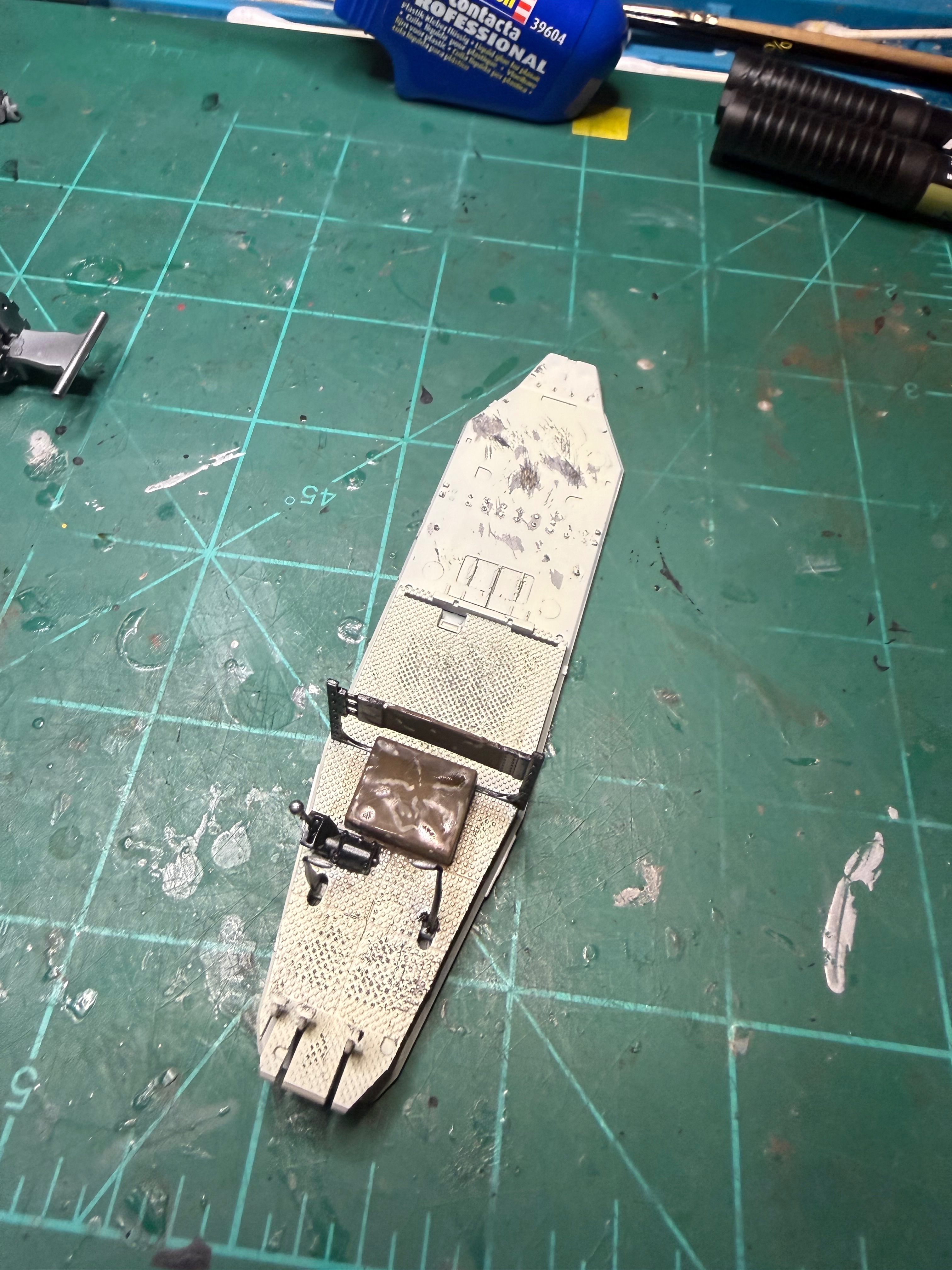
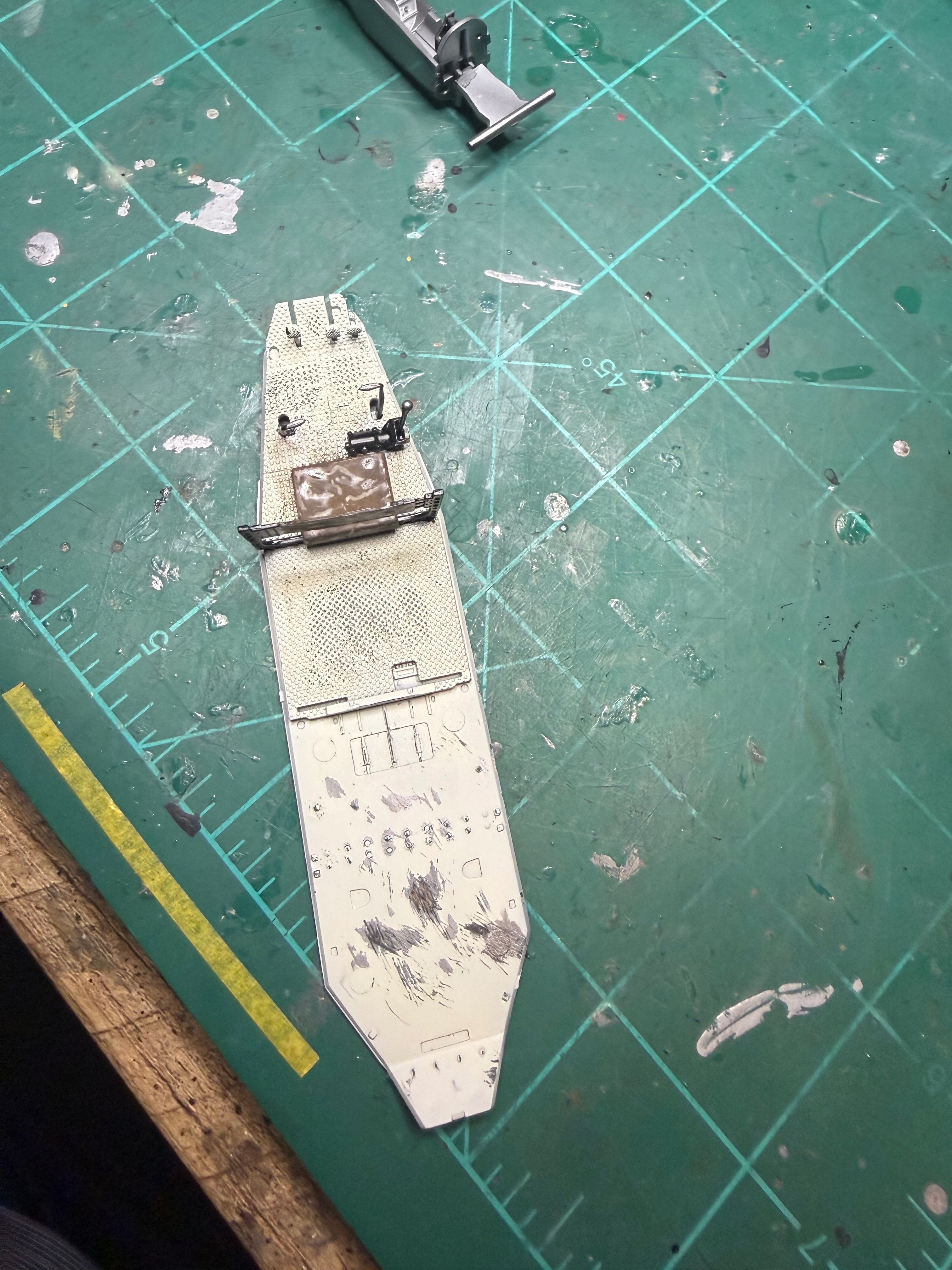
Yes but are the boots original??I appreciate the gesture Jakko! Very cool pics. I can't seem to get definitive answers for interior colors and went with an off white. Now I'm regretting that. Seems more of a tan/yellow and I like the green deck. I'm surprised at the amount of rust.Here's what I photographed of the inside of the FT in the Royal Army Museum in Brussels:
View attachment 195850View attachment 195851View attachment 195852View attachment 195853View attachment 195854View attachment 195855
Not sure if the interior colours are original, though. The outside of the tank has certainly been repainted, so chances are the inside has been as well. The instrument panel looks too recent to me to be original, too — it looks 1960s/'70s. The aluminium strip held on with four bolts, just below the open hatch, is definitely not original.
Jakko
Well-Known Member
Could well be the museum went with a cream colour because that's what they had that came closest to the original colour, not because it was a good match for that. It could even be a matter of subsequent repaintings getting slightly darker every time. I don't know what colour FTs were supposed to be, though.
The rust is probably from having been in the museum for ages. Those photos are from 2003 (maybe I should go back to the museum one of these days … it's close enough that I could as a day trip), but who knows how long it was since it had been painted at the time?
The rust is probably from having been in the museum for ages. Those photos are from 2003 (maybe I should go back to the museum one of these days … it's close enough that I could as a day trip), but who knows how long it was since it had been painted at the time?
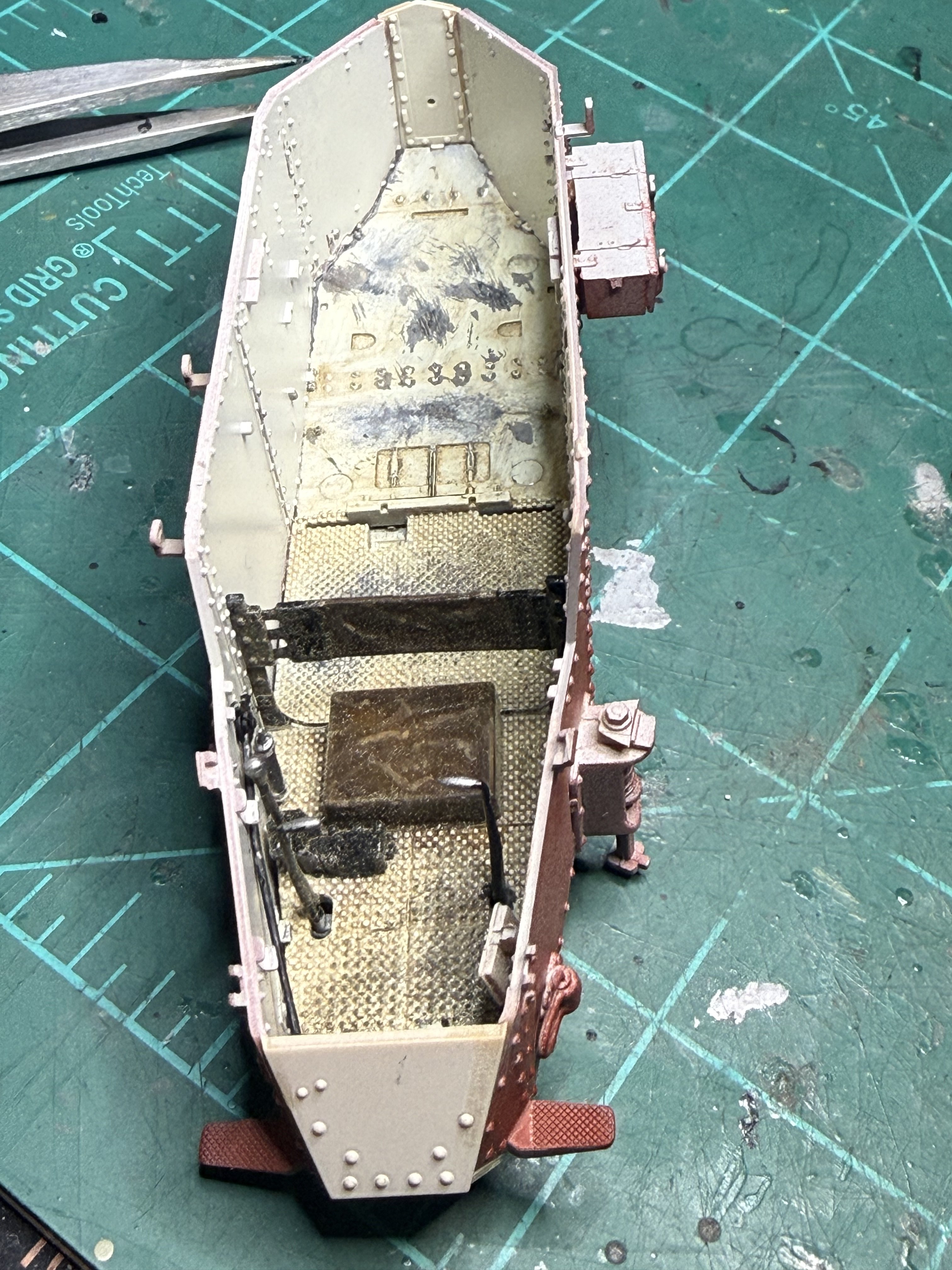
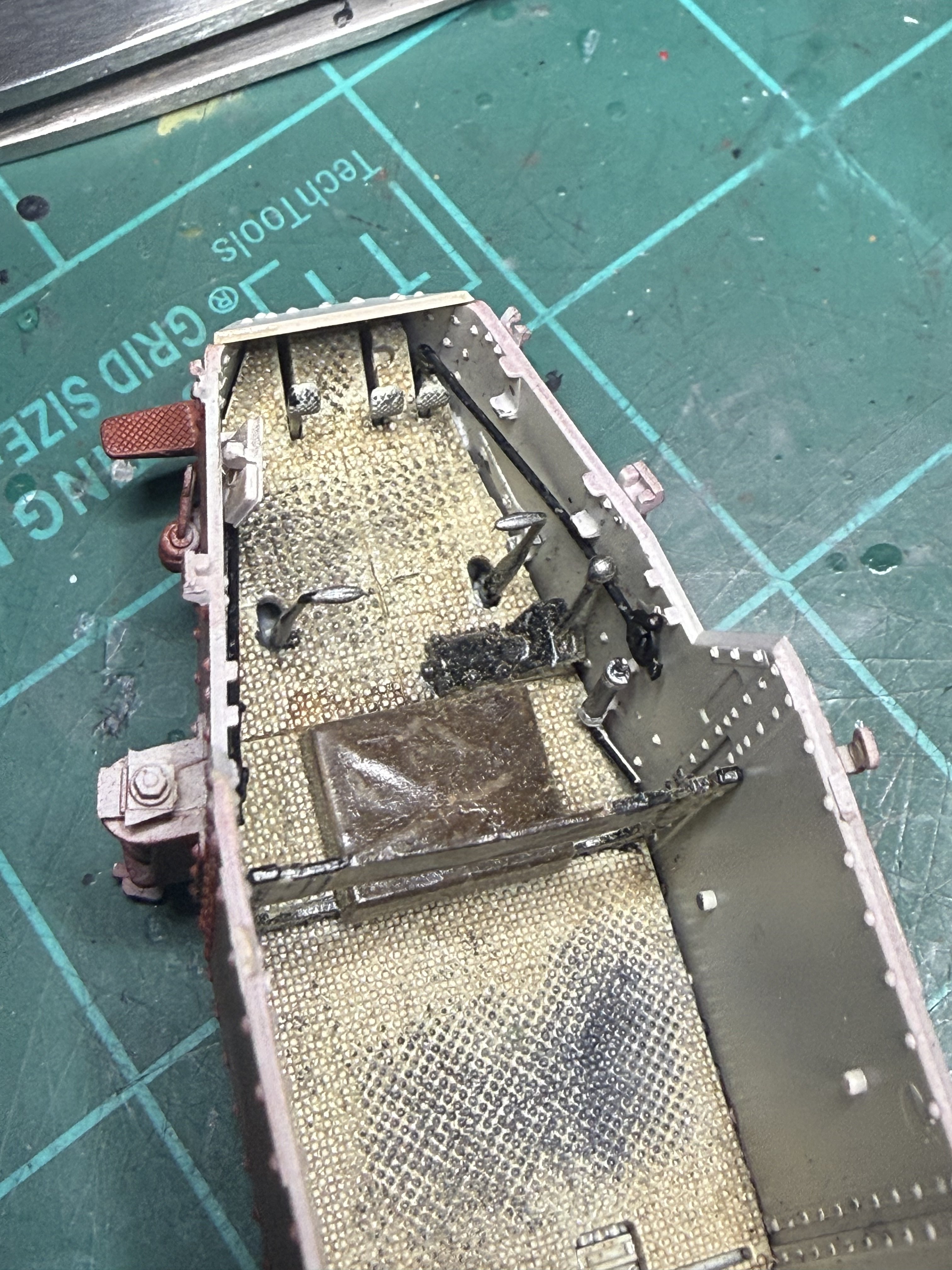
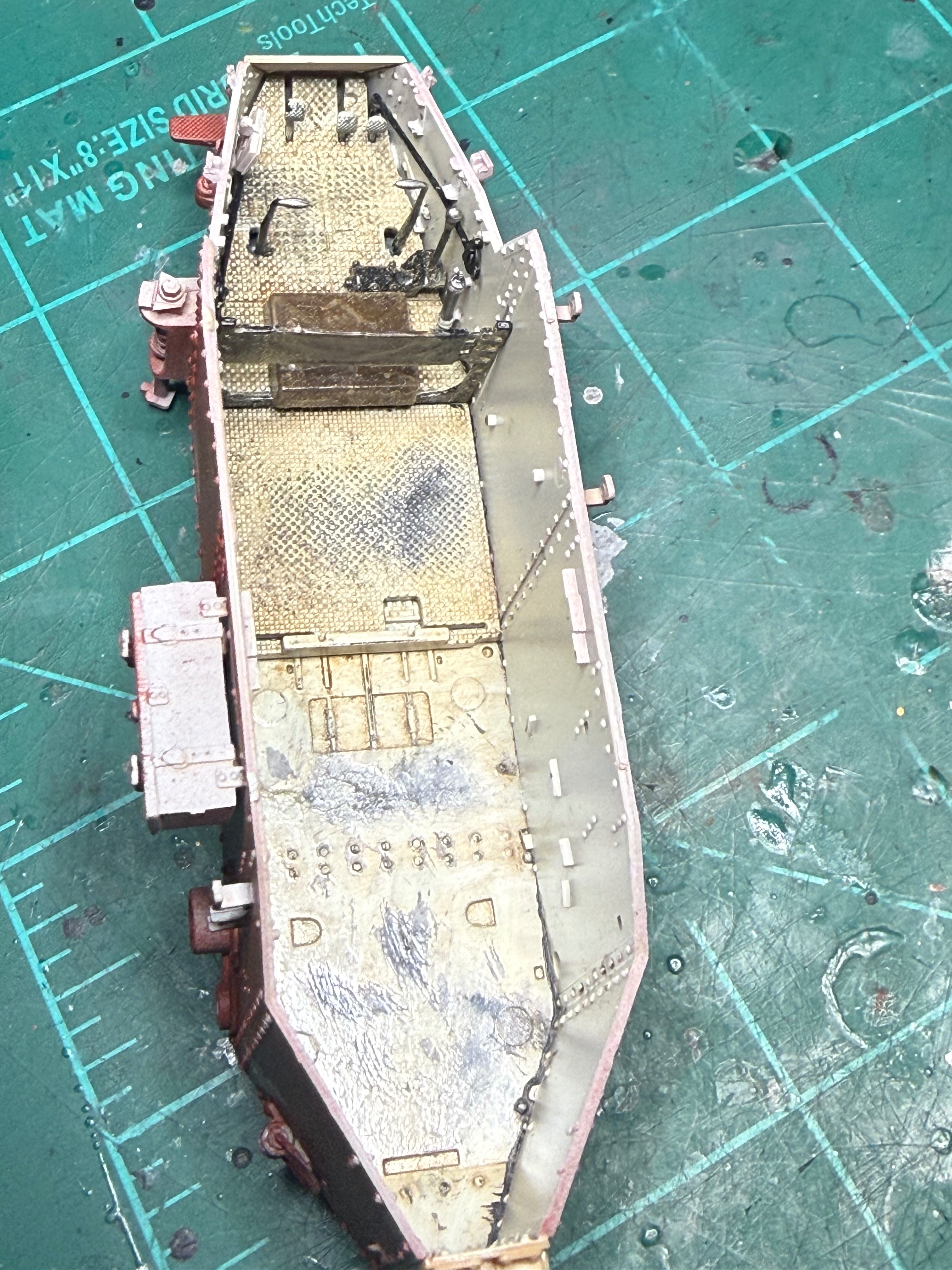
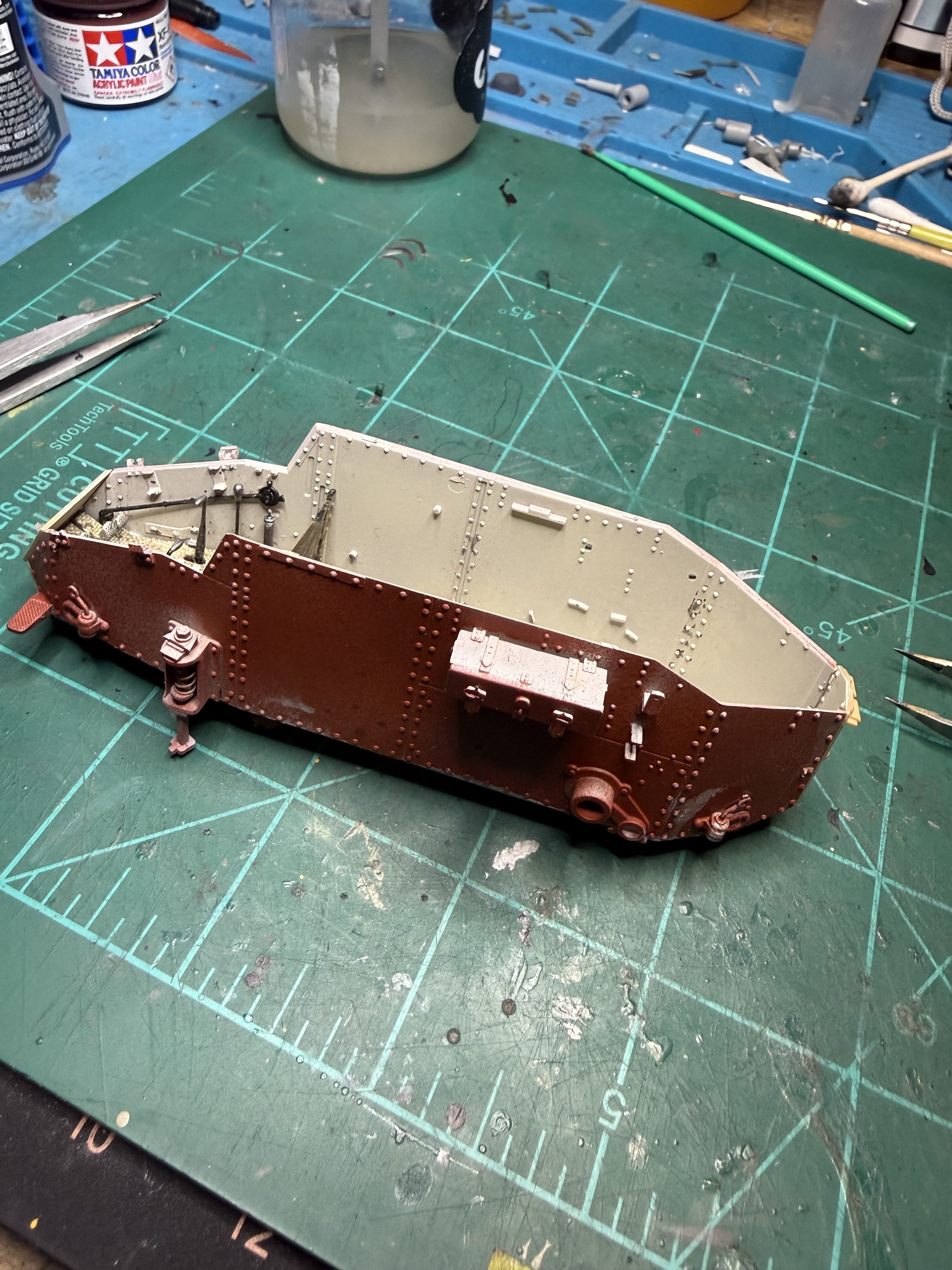
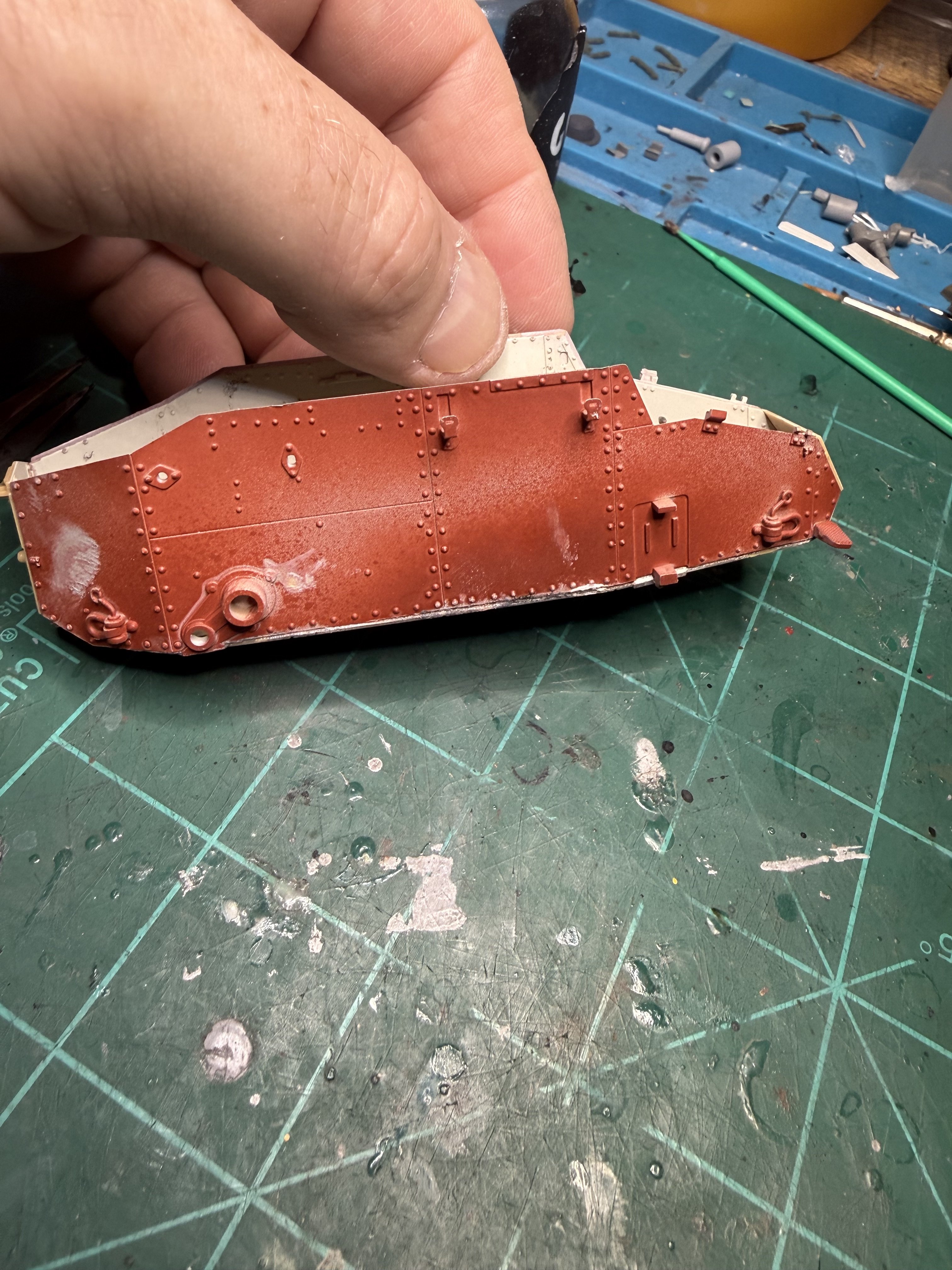
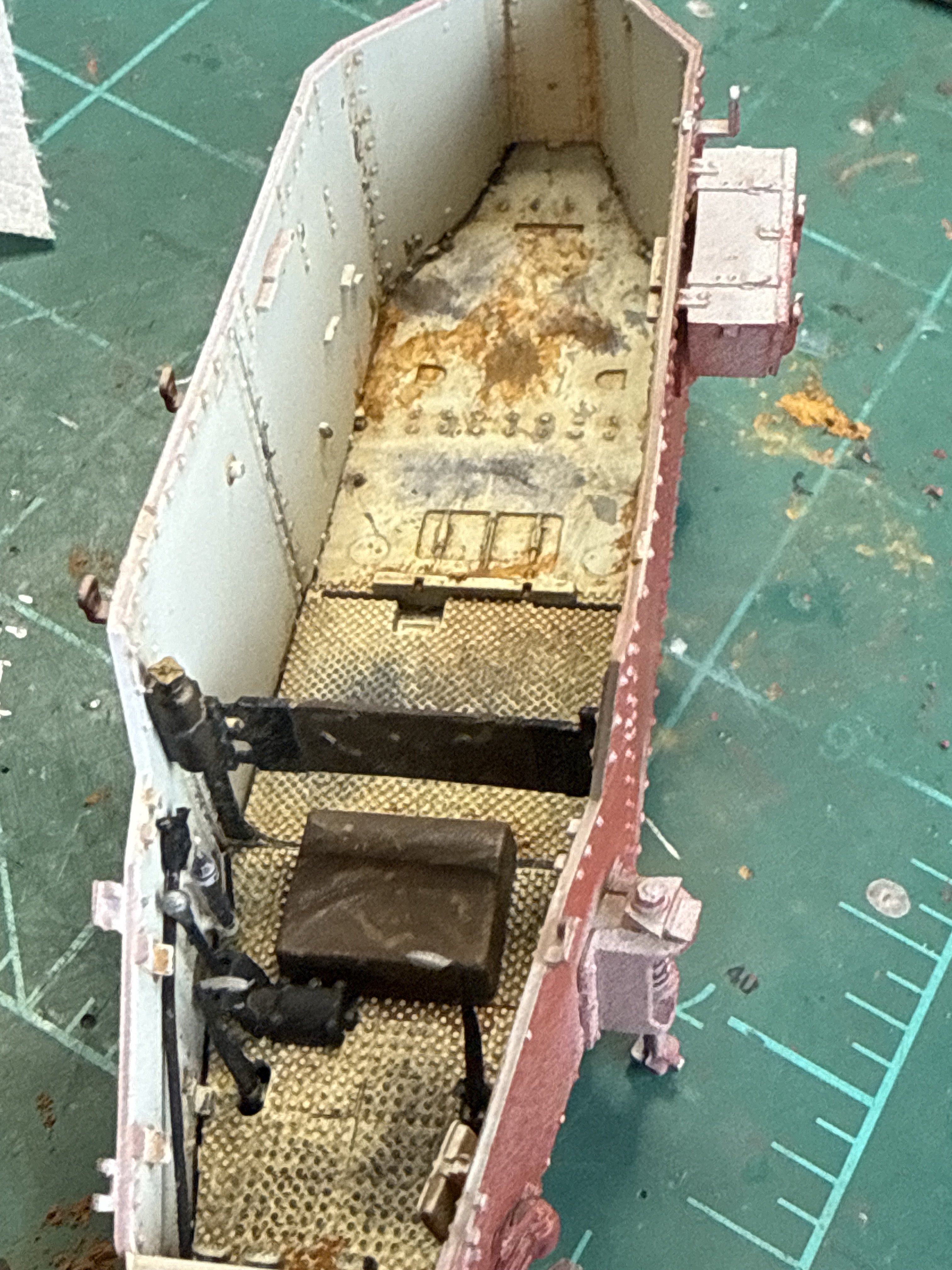
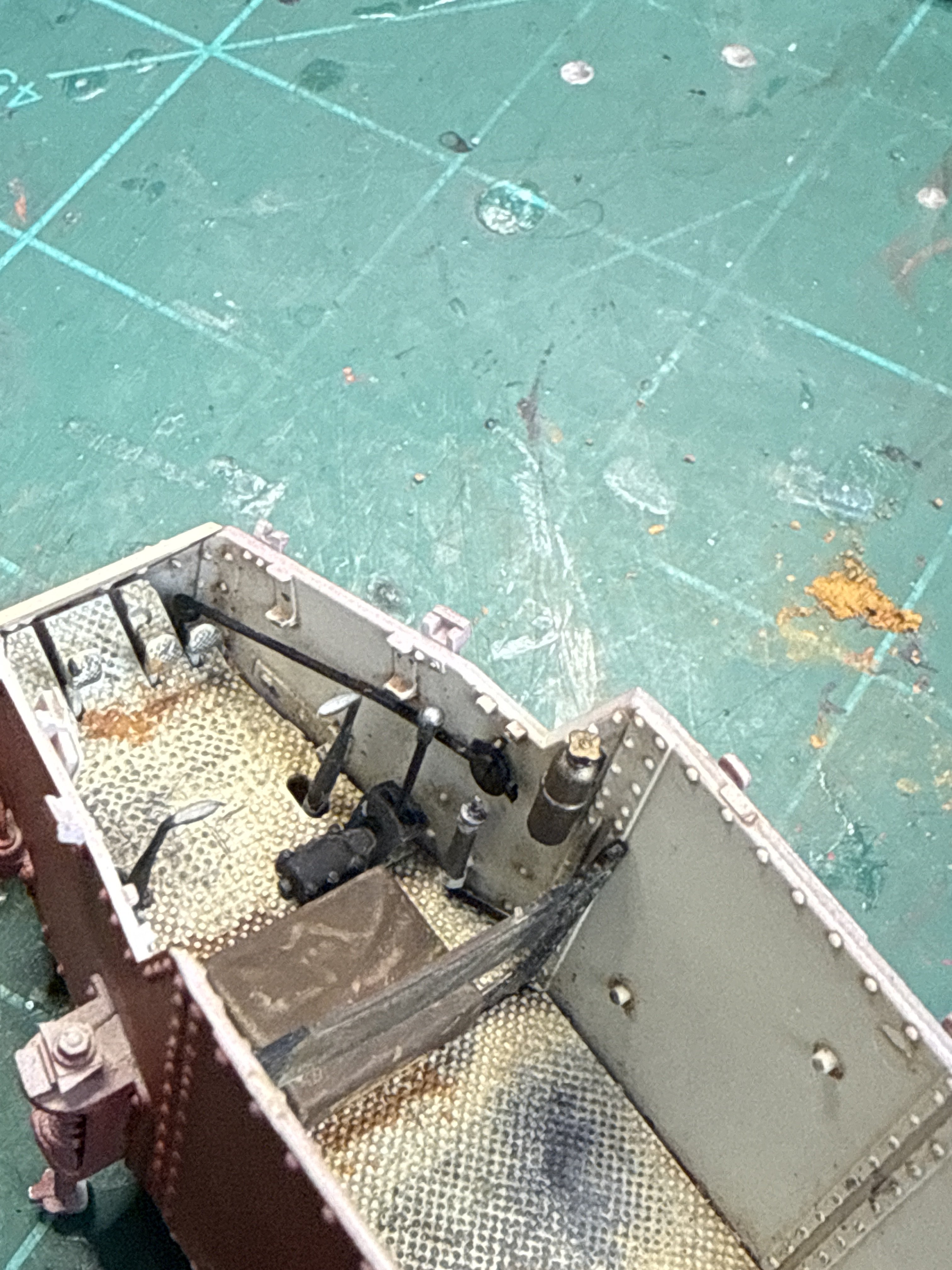

kevin
Well-Known Member
Looking good.........you can paint over the pastel / pigments if you not happy with the color.
I used thinned paint to wash over or change the color after the fixer dries, or use a sponge like when your chipping to add color on top of them.
I used thinned paint to wash over or change the color after the fixer dries, or use a sponge like when your chipping to add color on top of them.
Does it look like rust or mud to you?Looking good.........you can paint over the pastel / pigments if you not happy with the color.
I used thinned paint to wash over or change the color after the fixer dries, or use a sponge like when your chipping to add color on top of them.
kevin
Well-Known Member
It does look more like rust
That's what I was afraid of.It does look more like rust


