Masking tape messed up paint.

Scale Model Addict - Model Tips, Guides, Tools & Tech, Tutorials, and Community

Help Support Scale Model Addict:

papaof2

Well-Known Member
Joined
Feb 20, 2024
Messages
75
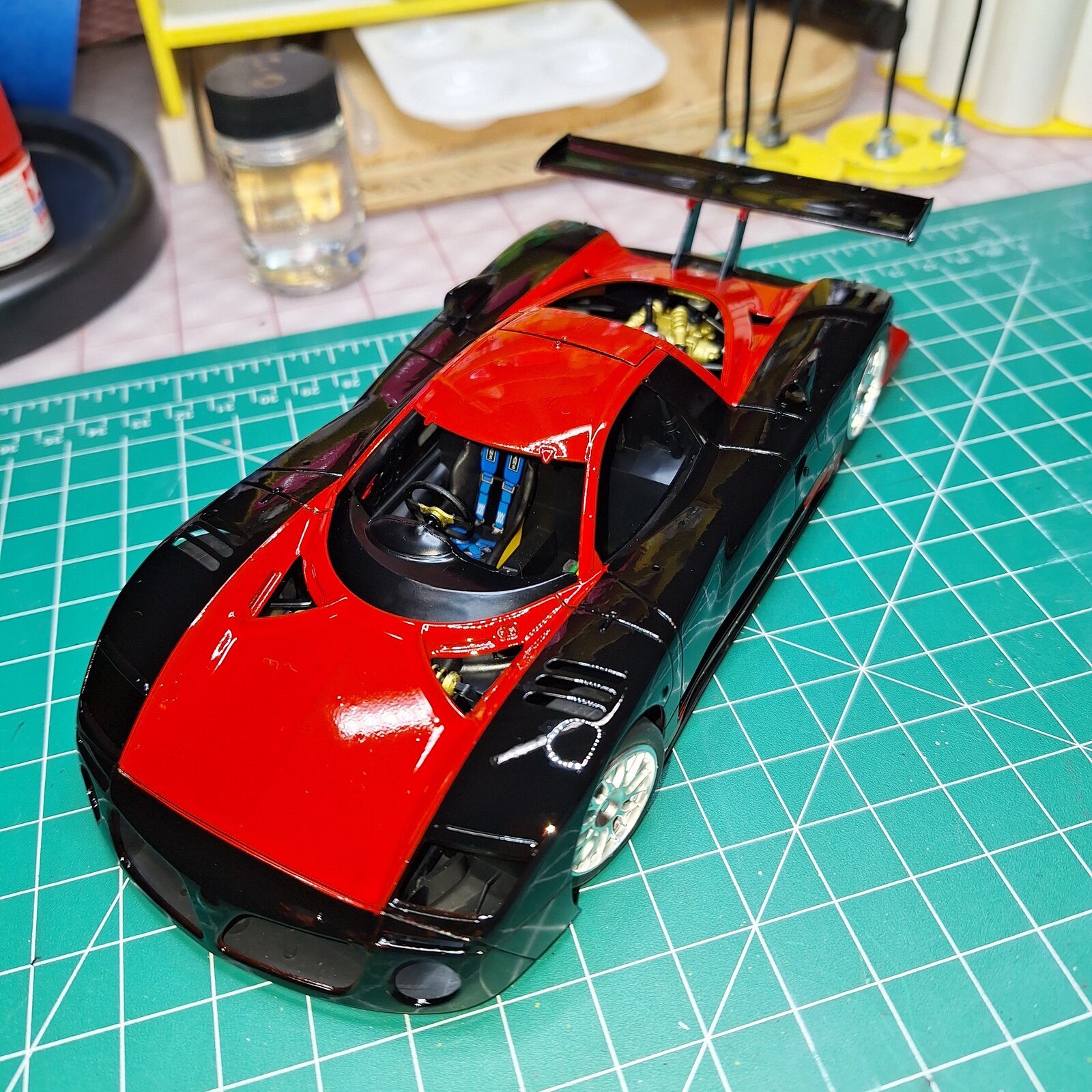
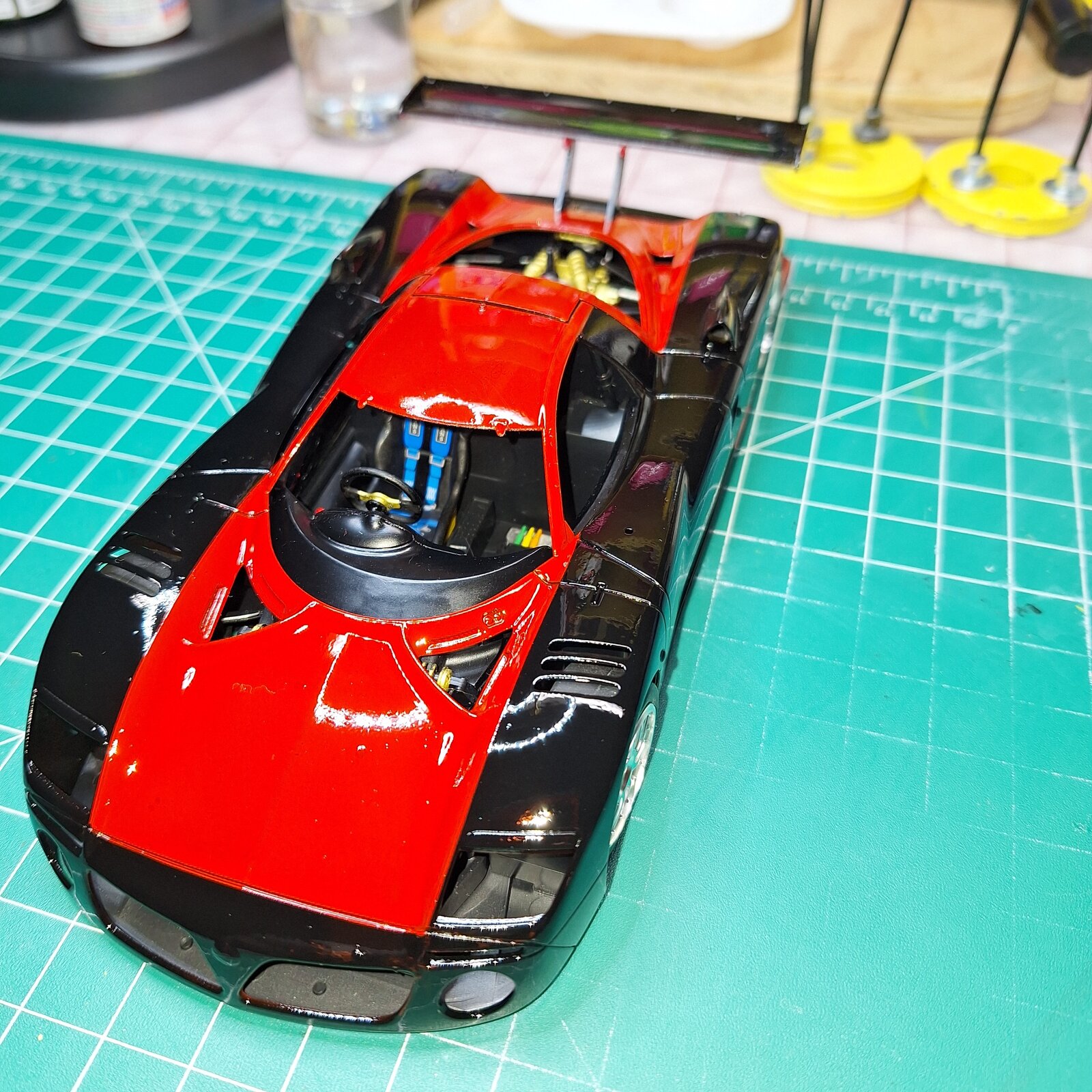
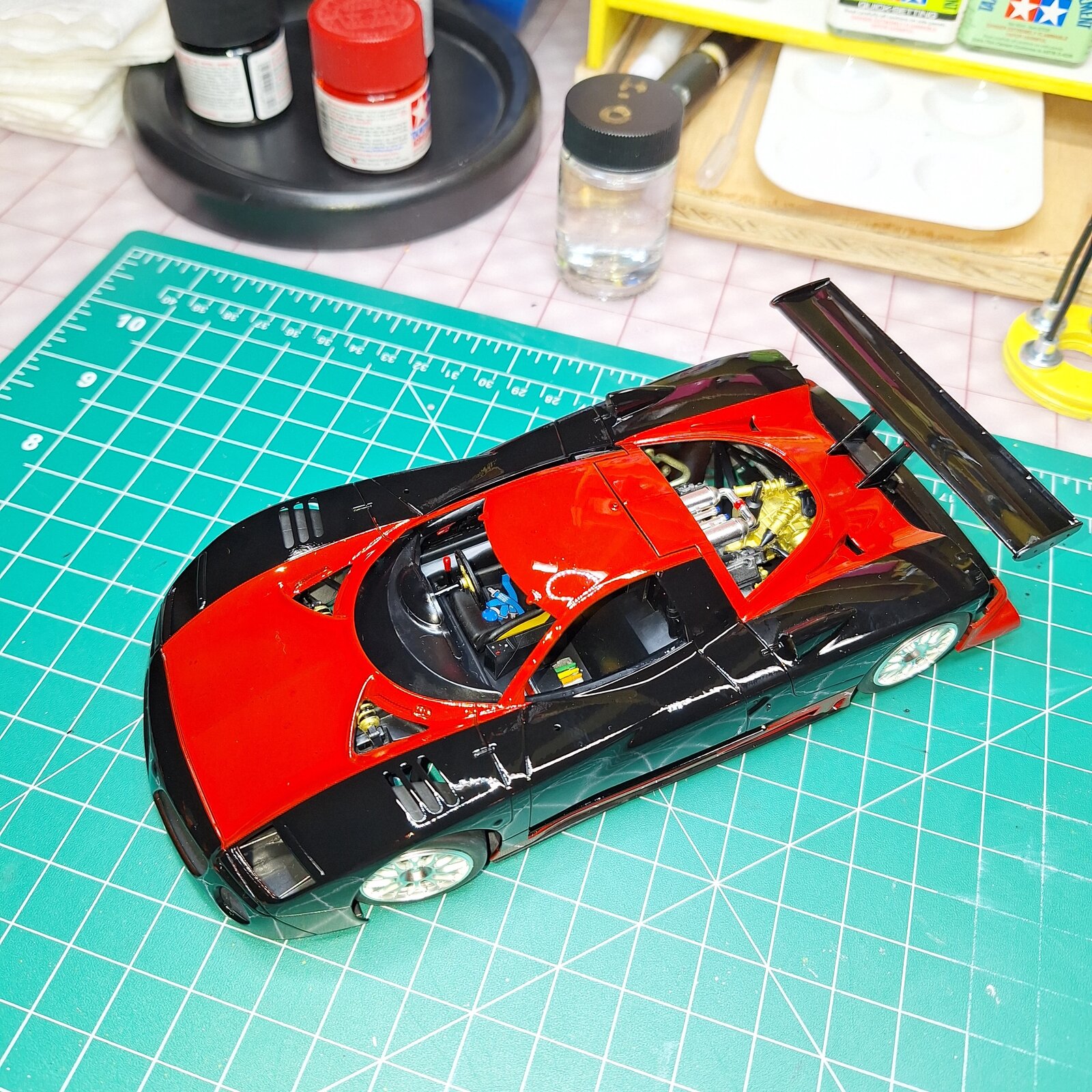
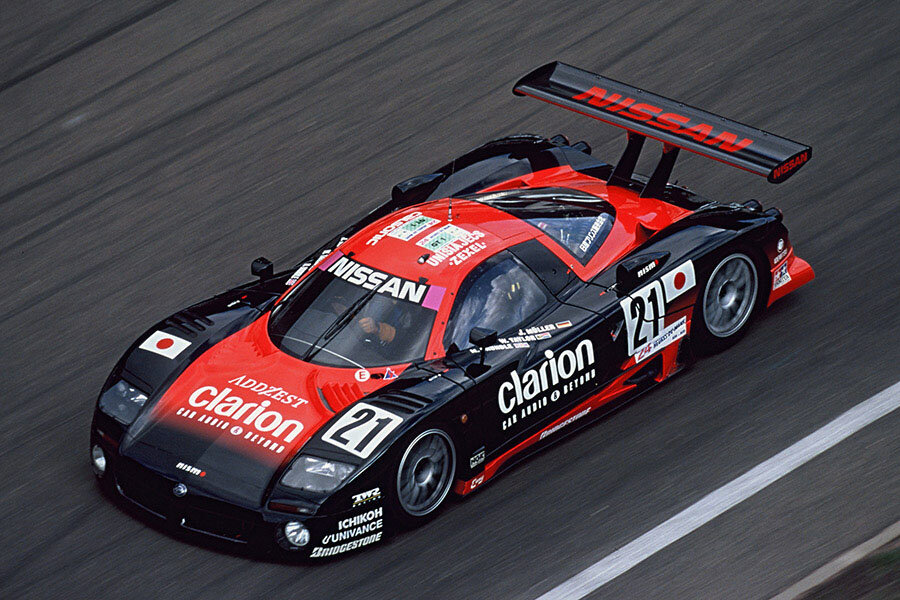
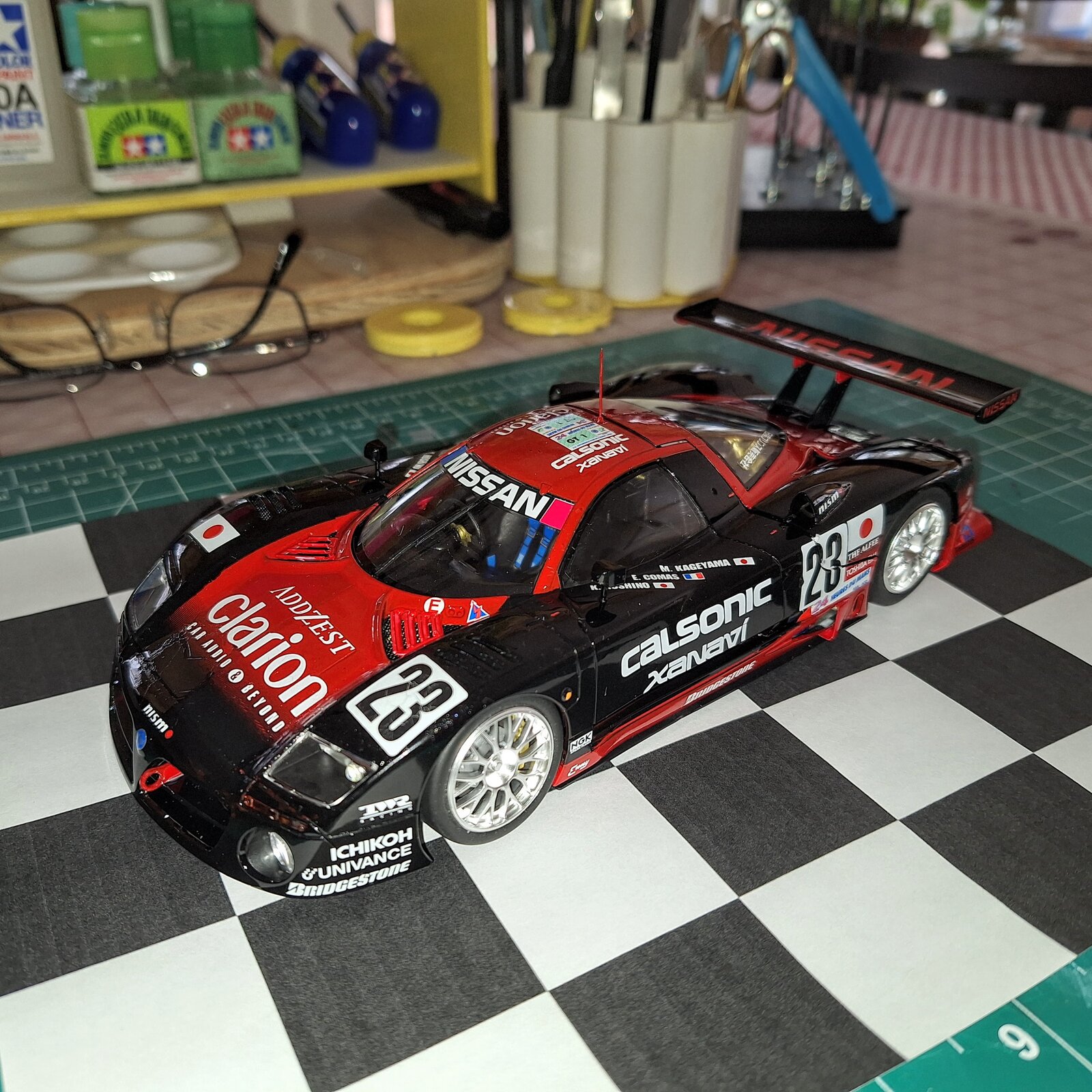
Need suggestions. Building Tamiya Nissan R390 race car. Painted body Tamiya X7 Gloss Black yesterday and had in dehydrator all night. Masked off and painted X7 Red this morning. In dehydrator for an hour and removed masking tape to find tape has imprinted on paint. Two options, spray with clear, decal and respray clear, or decal and then spray clear. Or if there's other ideas I'm open to suggestion

Thanks
Curtis
 
Wet sand the texture out gently with 1000 grit wet/dry sandpaper then clear/decal/clear
 
What masking tape did you use?

To avoid this in the future:

Never put a masked model in the dehydrator. The prolonged heat, even if mild, will melt itself into the underlying paint, especially if it's gloss, and even more so with Tamiya or Gunze (alcohol solvent) gloss. Apply the paint, let dry to tack-free, then remove the masking before placing it in the dehydrator. You may also have cured the black paint too fast. For long cure times, reduce heat.

I don't think Tamiya or Gunze gloss paints have changed formulation since I last encountered surface problems with them. The problem lies in the gloss, which has (or at least had) a silicone compound that migrates to the surface as the paint cures. Produces a marvelous finish, but can produce problems with masking and paints applied to the gloss surface. What I recommended back then was to use a flat color for the base coat, polish it, then apply the gloss paint over that, and finally apply a clear Tamiya gloss over all. The Tamiya gloss avoids incompatibility issues with the underlying Tamiya paint.
 
I don't think Tamiya or Gunze gloss paints have changed formulation since I last encountered surface problems with them. The problem lies in the gloss, which has (or at least had) a silicone compound that migrates to the surface as the paint cures.
silicone in an acrylic paint ?
 
silicone in an acrylic paint ?
Not silicone per se, a silicone, or silicone-like compound. I'm sure the actual chemistry is a closely guarded trade secret.

Some folks in an IPMS chapter I once attended had a problem with paint applied over cured Tamiya. It was forming patterns of cracks like those seen in some drying muds. This is generally called "alligatoring" or crazing, and is caused by a defect called, appropriately enough, crawling. This happens when the overlying paint is poorly bonded to the underlying layer. All polymeric paints shrink as they cure. (True lacquers have negligible shrinkage.) When the bond to the substrate is poor, they crack. In severe cases, they also peel.
 
As an Amazon Associate we earn from qualifying purchases. Product prices and availability are accurate as of the date/time indicated and are subject to change.
Thank you Littlemarten. My plan is a light scuffing to smooth it out then spray with clear. If it's OK I'll decal and spray clear again. The chassis is beautiful so I strive on.

Curtis
 
Organic chemistry is not only stranger than you imagine, it gets stranger every day.
I'm going with it doesn't exist
Oh really?

Silicones can exist in various forms, and their chemical structure depends on the specific type and intended application. Here are some common compounds and types of silicones:

Siloxanes: The fundamental components of silicones are siloxanes. They are composed of silicon and oxygen atoms arranged in an alternating pattern, with organic groups (like methyl, ethyl, or phenyl) joined to the silicon atoms. A siloxane's general formula is R2SiO, where R stands for an organic group.
Polydimethylsiloxane (PDMS): PDMS is one of the most widely used silicone compounds. It is a linear or branched polymer made up of repeating units of dimethylsiloxane (CH3)2SiO.
Silicone Resins: Silicone resins are three-dimensional networks of siloxane units, forming highly cross-linked structures.
Silicone Gels: Silicone gels are formed by cross-linking silicone fluids, creating a three-dimensional network with a gel-like consistency.
High Consistency Silicone Rubber (HCR): HCR is a type of silicone rubber with a high molecular weight, providing a thicker and more solid consistency.

For further information:
https://globalsilicones.org/explore-silicones/silicone-chemistry/
https://www.americanchemistry.com/chemistry-in-america/chemistries/silicones
https://en.wikipedia.org/wiki/Silicone
 
Saved it, scuffed with 3500 sanding pad and sprayed clear. Decaling and another clesrcoat in a few days.

20250220_113811.jpg


20250220_114019.jpg


20250220_113826.jpg
 
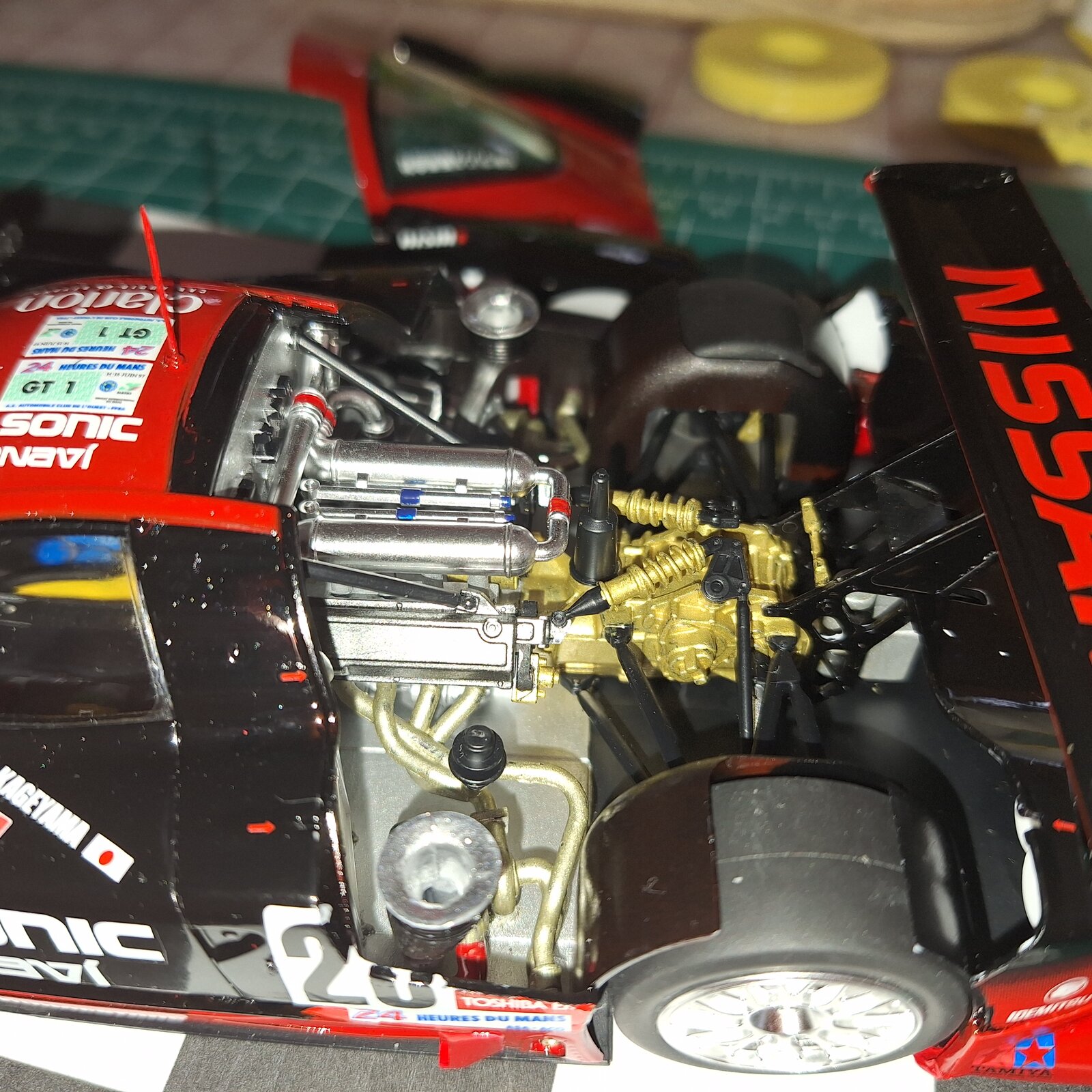
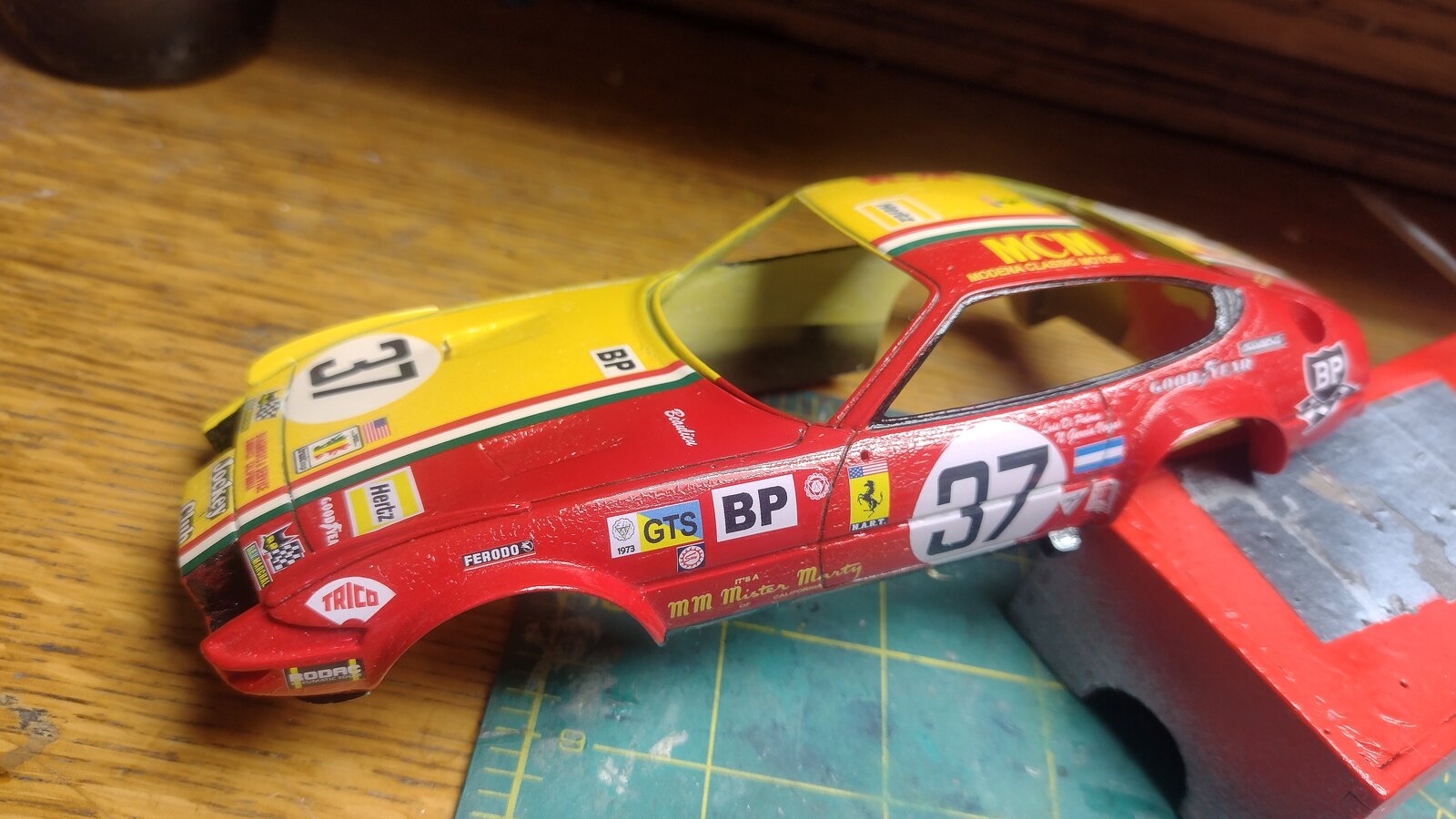
Well I got it finished. Not happy with the outcome. Thought I was OK after clear coat to fix masking issues. Clearcoat after decaling caused some of the decals to crack and wrinkle. Only the ones with a lot of clear spaces. My assumption is they were not completely cured, waited 24 hours, or they didn't like the Mr Color thinner. Only visible when viewed from certain angles. So moving on. Italeri T35B Bugatti Roadster.

20250317_151354.jpg


20250317_151440.jpg
 
Well I got it finished. Not happy with the outcome. Thought I was OK after clear coat to fix masking issues. Clearcoat after decaling caused some of the decals to crack and wrinkle. Only the ones with a lot of clear spaces. My assumption is they were not completely cured, waited 24 hours, or they didn't like the Mr Color thinner. Only visible when viewed from certain angles. So moving on. Italeri T35B Bugatti Roadster.

View attachment 140875

View attachment 140876
That's some mighty fine work. Pantherman
 
Looks awesome papa ! Love that livery
I've had that happen to my decals when I went a little too heavy on the clear...
Keep having to remind myself, (with my finger on the trigger of the gun)...light coats, and wait....
case in point
IMG_20250317_183211608.jpg

Think I'll wait a year and try to wet sand it out ....lol
 
Back
Top