

I will have a play with it over the weekend and let you know. PMwell , you gotta test it out now that you bought it .
Might be okay for small stuff --- I've tried a couple over the years and the last one wouldn't even melt solder .

I will have a play with it over the weekend and let you know. PMwell , you gotta test it out now that you bought it .
Might be okay for small stuff --- I've tried a couple over the years and the last one wouldn't even melt solder .
This kit would be the best bet for what your going to do. Not to blow my own horn, been a welder for over 40 years and solder medical instruments daily now, if you need some help with the materials and fluxes to use on them because that matters a lot depending on what your soldering just ask im always happy to help.Thanks for the heads up. It's a cheap one from a well known Chinese company similar to Emu...
I have a bigger, better kit so would you think I should have a go with that first to get some practice in?
PMView attachment 181619
 )
)
Thanks Racer, very much appreciated. PMThis kit would be the best bet for what your going to do. Not to blow my own horn, been a welder for over 40 years and solder medical instruments daily now, if you need some help with the materials and fluxes to use on them because that matters a lot depending on what your soldering just ask im always happy to help.
I have not seen that, many thanks urumomo. PMYou probably saw this ?
if not :
View on page or download ( it's safe , I downloaded it
https://www.dropbox.com/s/wtmn9hzzg82h97h/Working with PE for Armor Modelers_Book.pdf?dl=
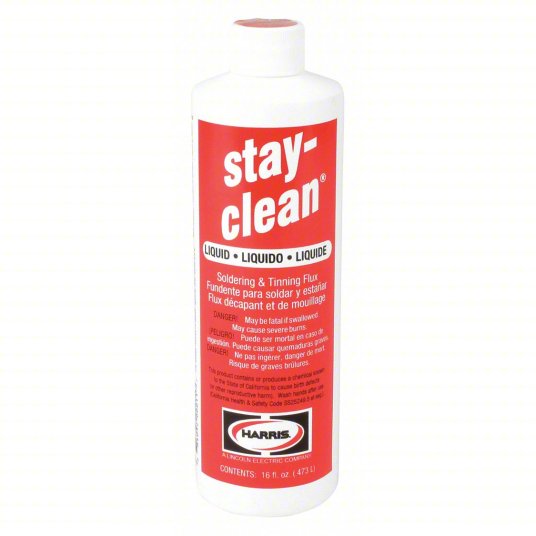
Here is a good starting place, is your photo etched stuff made of stainless steel? If so this stuff will give you good results. I see a bottle in the pics that says micro krystal kleer is that a liquid flux? To do what i think your doing the large solder iron will be needed, stainless and brass need at least 600 deg to flow the solder properly. A 35 watt iron is 600 deg max, a 45 watt gos to about 800 deg. The solder wire must be solid no flux core, flux core is for copper wire and electronic use, liquid flux is acid based to really clean and prep material like brass and stainless. Squirt some flux into an old shot glass you dont need to dip your applicator and your iron tip into, Tinning / adding some solder to the pcs your going to join is a must, then all you will need to do is touch the pcs together add a tiny bit of flux and touch the iron tip to the joining point the solder will flow together smooth and clean with no extra solder needed. A good water wash of the parts is needed after soldering to neutralize and clean off the flux so you can paint the parts later. After the iron tip cools water wash it to so the acid wont eat it away to soon, keep a wet paper towel folded into a 3 inch square to clean the iron tip between each weld, after wiping the burnt flux off dip just the tip in the flux and add a little clean solder back to it for the next weld. I use mine a lot so i need to change the tip every 3 months or so because it gets ate up by the flux no matter how much i clean it after. And as Barly says keep your face out of the way acid flux fumes are really nasty.Thanks Racer, very much appreciated. PM

If neither is satisfactory, check out Iso-tip™.Thanks for the heads up. It's a cheap one from a well known Chinese company similar to Emu...
I have a bigger, better kit so would you think I should have a go with that first to get some practice in?
PMView attachment 181619
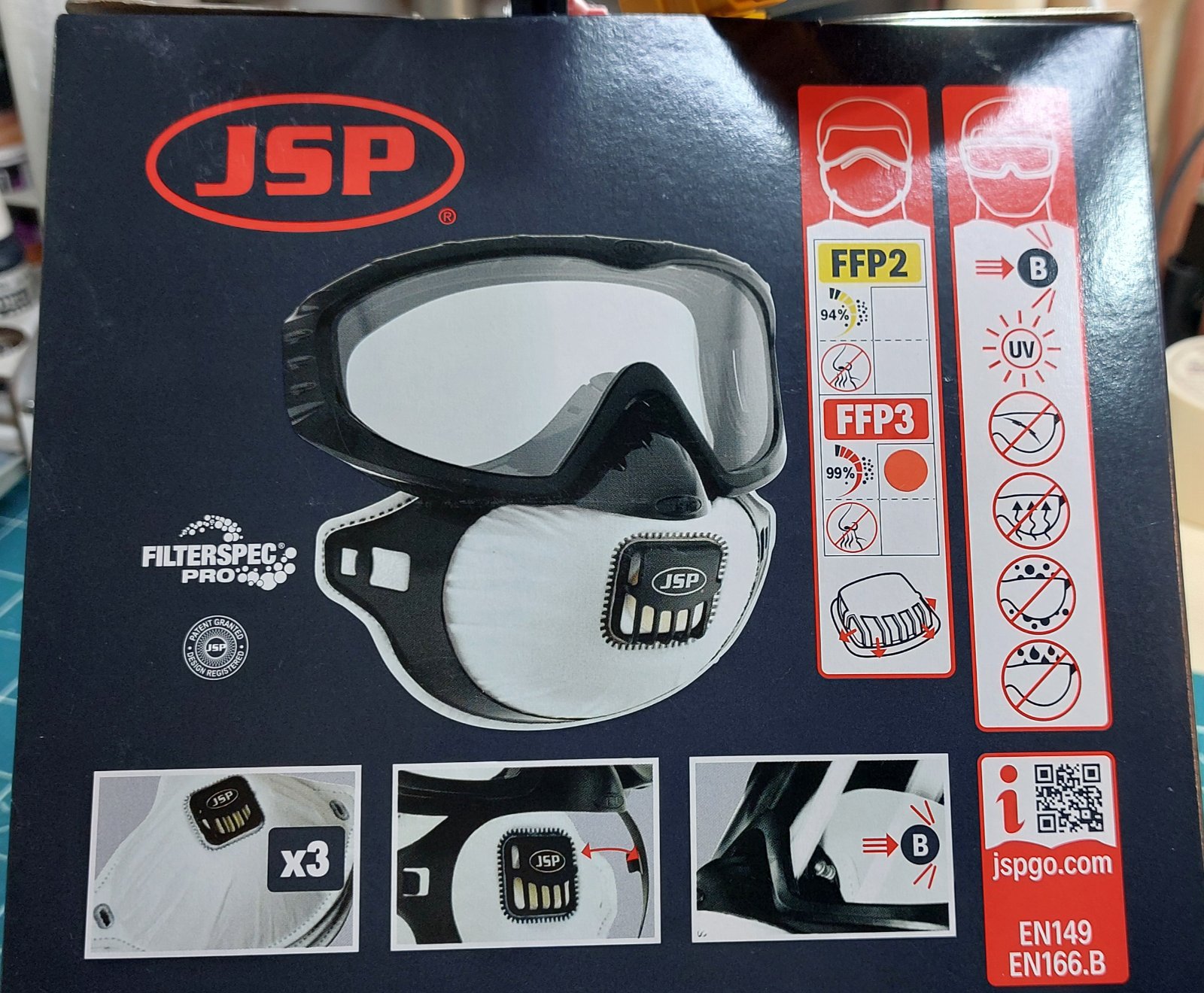
It looks like this mask is not for vapors, only particulates. That makes it suitable for soldering, but not solvent vapor from the paint you'll be spraying.Decided to upgrade my PPE, I thought with all the PE and soldering I'm planning on doing plus the amount of paint I will need to spray for the Bismarck, I had better get a new mask with goggles. Pantherman
View attachment 182072
I only use acrylics so I thought it would be ok for that. PanthermanIt looks like this mask is not for vapors, only particulates. That makes it suitable for soldering, but not solvent vapor from the paint you'll be spraying.
A lot of people seem to think so, and generally, acrylics are less toxic than organic solvent soluble paints. But less toxic does not mean nontoxic. There are things in many, probably all, acrylic paints that you don't want to breathe.I only use acrylics so I thought it would be ok for that. Pantherman
Indoors with a filtered booth and very little ventilation. Not good, I know. PanthermanA lot of people seem to think so, and generally, acrylics are less toxic than organic solvent soluble paints. But less toxic does not mean nontoxic. There are things in many, probably all, acrylic paints that you don't want to breathe.
Something most people don't know: Any chemical not proven beyond any shred of doubt to be toxic, can be legally labeled as nontoxic. So they get sold as nontoxic.
Furthermore, a particulate-only respirator can expose you to higher concentrations of paint vapor. The particulate filter can become saturated with solvent components from the paint, greatly increasing your exposure.
Where do you do your airbrushing?
Does the booth have a carbon filter? If so, you should be pretty good using that.Indoors with a filtered booth and very little ventilation. Not good, I know. Pantherman
Most photo-etch is coated, giving it a slick, shiny surface. To get paint to stick, the best way is to etch the surface, either chemically or with a very fine abrasive. Also, paint after forming.Anyone have familiarity with Tamiya Metal Primer? I've used Mr. Surfacer 1500 but the primer seems to peel off of photo etch. I'm wondering if I'm just not sufficiently prepping it, or if the TMP would in fact be a worthy investment.

… in the USASomething most people don't know: Any chemical not proven beyond any shred of doubt to be toxic, can be legally labeled as nontoxic.
 The EU, for example, tends to err on the side of caution with these kinds of things. Not sure what the rules are concerning chemicals in general, but certainly when it comes to food and drink, over here you can't put it in unless it's generally considered safe for human consumption — which contrasts with the US, where you can't put in things that are generally considered unsafe.
Yes, I should have specified that this is in the US, and that in other places YMMV. I keep forgetting that this is an international forum!… in the USA


Following… I just purchased some myself.Anyone have familiarity with Tamiya Metal Primer? I've used Mr. Surfacer 1500 but the primer seems to peel off of photo etch. I'm wondering if I'm just not sufficiently prepping it, or if the TMP would in fact be a worthy investment.

Soon-to-retire airline safety guy here.A lot of people seem to think so, and generally, acrylics are less toxic than organic solvent soluble paints. But less toxic does not mean nontoxic. There are things in many, probably all, acrylic paints that you don't want to breathe.
Something most people don't know: Any chemical not proven beyond any shred of doubt to be toxic, can be legally labeled as nontoxic. So they get sold as nontoxic.
Furthermore, a particulate-only respirator can expose you to higher concentrations of paint vapor. The particulate filter can become saturated with solvent components from the paint, greatly increasing your exposure.
Where do you do your airbrushing?
I think I will just wrap my old hankerchief around my face and tie it with a knot at the backI just can't stop myself.
Two more things:
- Facial hair can make the best mask ineffective. We used to rub vaseline on our beards to try to get that proper seal, but that doesn't really work, and is not OSHA-approved.
- Remember to give your mask a good cleaning after each day of use...especially if you bag it for storage. Unless you do clean, your moist breath can lead to fungal buildup, which can be worse than the gunk you're trying to not breathe. Use alcohol wipes to do the inside and parts that rub on skin. Make sure it's really dry before you put it away.
Stay tuned for our next episode, when we'll talk about ladder safety and fall-arrest systems.
(I'm gonna get kicked out of the site, aren't I?)
 . Pantherman
Just make sure you have your canary alongside.I think I will just wrap my old hankerchief around my face and tie it with a knot at the back
Oh no, more expense. First the canary, then the cage, foodJust make sure you have your canary alongside.
 . And before you know it, an aviary. Pantherman
All these considerations are why I invested in an outside vented spray booth.I just can't stop myself.
Two more things:
- Facial hair can make the best mask ineffective. We used to rub vaseline on our beards to try to get that proper seal, but that doesn't really work, and is not OSHA-approved.
- Remember to give your mask a good cleaning after each day of use...especially if you bag it for storage. Unless you do clean, your moist breath can lead to fungal buildup, which can be worse than the gunk you're trying to not breathe. Use alcohol wipes to do the inside and parts that rub on skin. Make sure it's really dry before you put it away.
Stay tuned for our next episode, when we'll talk about ladder safety and fall-arrest systems.
(I'm gonna get kicked out of the site, aren't I?)

Don't forget the haz-mat suit. PanthermanAll these considerations are why I invested in an outside vented spray booth.
And I always wear my hard hat and safety harness …


In all honesty, the greater problem is breathing the aerosol particles in rather than the minute levels of any vapours.Don't forget the haz-mat suit. Pantherman
For the amount of cutting and duration, I guess I needn't use a push stick on my table saw.To be honest, I never wear a mask , or gloves or specs when I spray . Indoors.
And Im a H+S manager for a living!


![Pampers Sensitive Baby Wipes, Clinically Proven, Fragrance Free, Unscented, Water Based, Hypoallergenic, Multi-Use, Hand Wipes 336 Wipes Total (6X Flip-Top Packs) [Packaging May Vary]](https://m.media-amazon.com/images/I/41KLBHu9CAL._SL500_.jpg)





