Gunked up my airbrush nozzle

Scale Model Addict - Model Tips, Guides, Tools & Tech, Tutorials, and Community

Help Support Scale Model Addict:

It was Ammo Mig acrylic, but thinned with Tamiya X-20A. I know that's adding thinner for an alcohol based paint to a water based acrylic, and everyone says use the thinner produced by the same brand of paint. But all these products get expensive and it seems to do the job just fine.

Having said that, I do plan to pick up some Vallejo acrylic thinner. I'm moving away from Tamiya paints and trying to go to all Vallejo/Ammo for airbrushing. I just find them easier to work with on all levels. Plus they're less toxic.
 
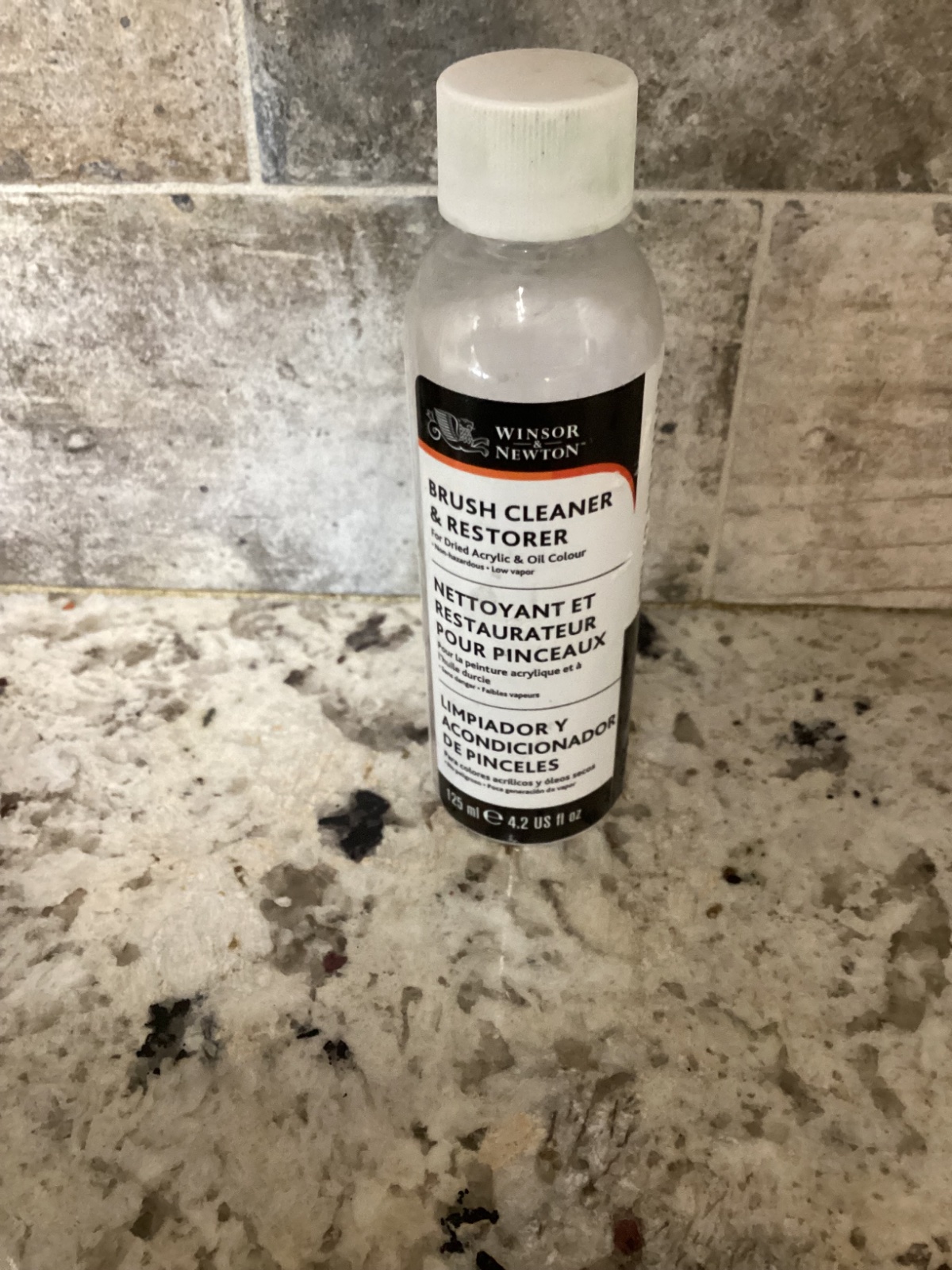
I think what Jakko shows above might be the same. This is how it is packaged where I buy it. Be careful. It tells you not to soak in a plastic container.
It definitely unclogs my air brush nozzles. But be wary. I decided to just leave a little in the paint cup between paint jobs it seemed to work so well. After I was away a week, I emptied the cup and it had removed some of the chrome finish. I think it eats anything.
Come to think of it, I haven't seen the neighbors cat in a while.
 

Attachments

  • IMG_0336.jpeg
    IMG_0336.jpeg
    539.8 KB
My suggestion is to use lacquer thinner to dissolve the gunk. I use LT to clean my airbrushes and it removes all types of dried up paints without any issues, quick and efficient.
The only problem with using lacquer thinners is that some of them contain solvents that will attack air brush seals over time. Lacquer thinner is not a single chemical, it is a blend of solvents and can contain anything.
 
I think what Jakko shows above might be the same. This is how it is packaged where I buy it. Be careful. It tells you not to soak in a plastic container.
It definitely unclogs my air brush nozzles. But be wary. I decided to just leave a little in the paint cup between paint jobs it seemed to work so well. After I was away a week, I emptied the cup and it had removed some of the chrome finish. I think it eats anything.
Come to think of it, I haven't seen the neighbors cat in a while.
It might have ammonia or another strong base in it.
 
As an Amazon Associate we earn from qualifying purchases. Product prices and availability are accurate as of the date/time indicated and are subject to change.
That's what I thought as well, and why I went looking for it. Looking at it again, perhaps this line at the top explains the reason:
A safety data sheet is not required for this product under Article 31 of REACH. This Product Safety Information Sheet has been created on a voluntary basis
 
That's what I thought as well, and why I went looking for it. Looking at it again, perhaps this line at the top explains the reason:
Requirements are different in Europe and the US. In the US, "proprietary" ingredients may not be listed, or are listed without quantity. That makes them less useful than they might be. At least you know the pH, and at 9-10, don't leave it on your skin or get it in your eyes. Remember that the pH scale is logarithmic.
 
Google AI: Winsor & Newton Brush Cleaner & Restorer is a specialized, water-soluble, and low-odor liquid primarily composed of
1–10% Ethanol (CAS 64-17-5). It is used for cleaning dried acrylic, oil, and Alkyd paints from both synthetic and natural brushes. The formula works to restore stiff brushes, though it should be kept away from plastic surfaces and painted handles.

Sounds pretty weak. Not sure how it would really damage plastic, unless the other 99 to 90 % is super strong solvents
 
Google AI: Winsor & Newton Brush Cleaner & Restorer is a specialized, water-soluble, and low-odor liquid primarily composed of
1–10% Ethanol (CAS 64-17-5). It is used for cleaning dried acrylic, oil, and Alkyd paints from both synthetic and natural brushes. The formula works to restore stiff brushes, though it should be kept away from plastic surfaces and painted handles.

Sounds pretty weak. Not sure how it would really damage plastic, unless the other 99 to 90 % is super strong solvents
If you trust AI, you won't want for amusement, or stupidity. Ethanol is essentially neutral pH, very close to 7. This substance has a reported pH of 9 to 10, making it alkaline, so there is something else in it, probably a soap or soap-like component of some sort.
 

Latest posts

Back
Top