So tonight I was going to airbrush the P-51D Mustang tail yellow and it was pretty much a flop. It was over black primer. What is the secret to making yellow paint work?
Pretty much all yellow pigments cover poorly (as do red and gold/brass metallic). Use a light colour under yellow, never something dark or even medium-dark — probably best is a light sand colour because that will give some depth to the yellow instead of muddying it like dark colours do or making it brighter like white tends to.
So tonight I was going to airbrush the P-51D Mustang tail yellow and it was pretty much a flop. It was over black primer. What is the secret to making yellow paint work?
As an Amazon Associate we earn from qualifying purchases. Product prices and availability are accurate as of the date/time indicated and are subject to change.
AMMO's ATOM acrylic paints have a "how to use" video that shows how ATOM yellow colors can be airbrushed over dark colors, even black, without applying a white primer first.
My own experience airbrushing ATOM acrylics indicates that these paints are very "color dense" and cover very well with fewer coats.
Watch this AMMO ATOM paint video at the 7:40 minute mark to see yellow airbrushed over dark and black colors.
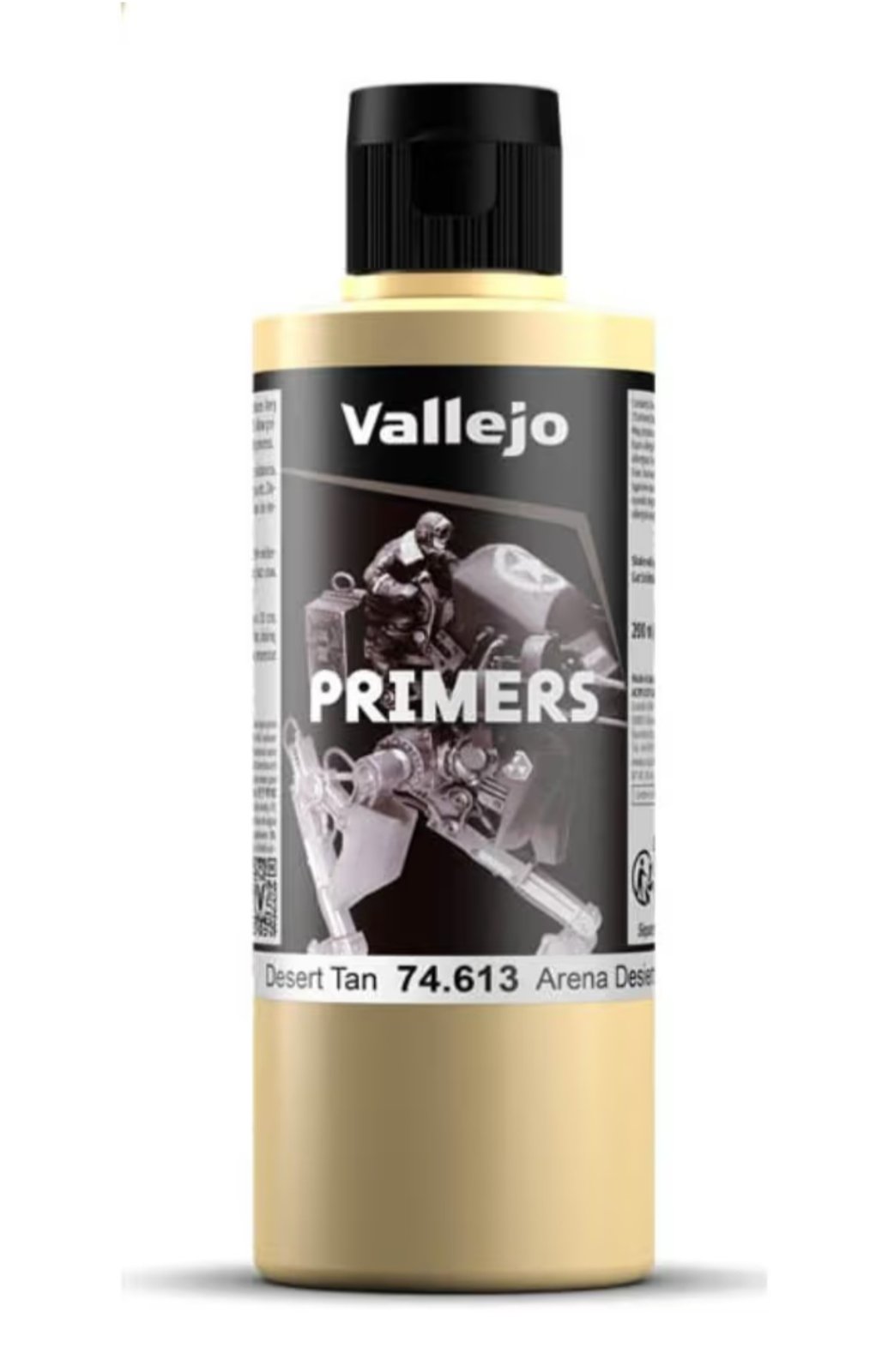
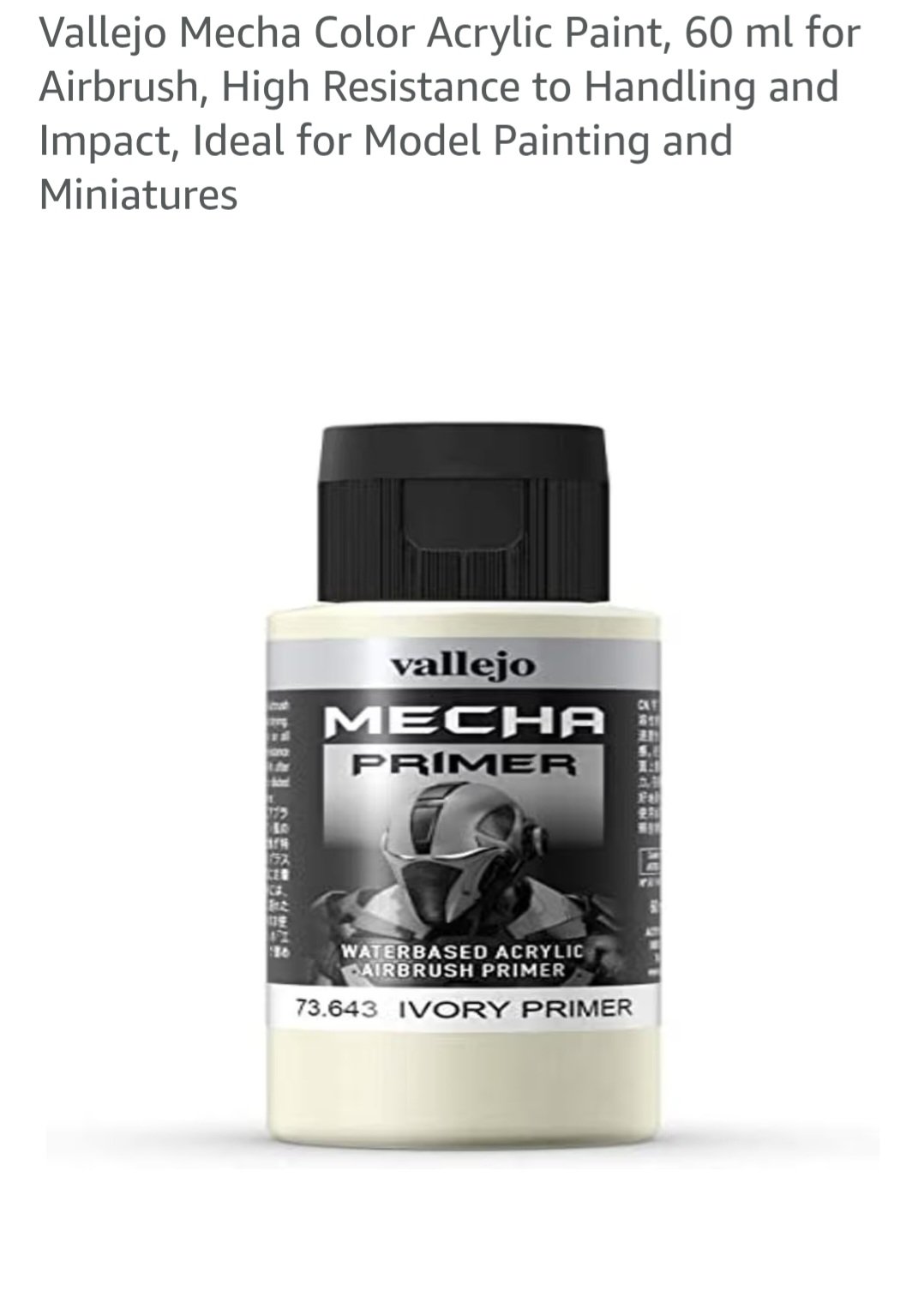
You can also add some titanium white to your yellow to make it feel more 'pigment dense' and if it turns less yellowy, add a very tiny of orange to that too. Or, as others suggest - use a white, whiteish or pinkish primers.
Explanation:
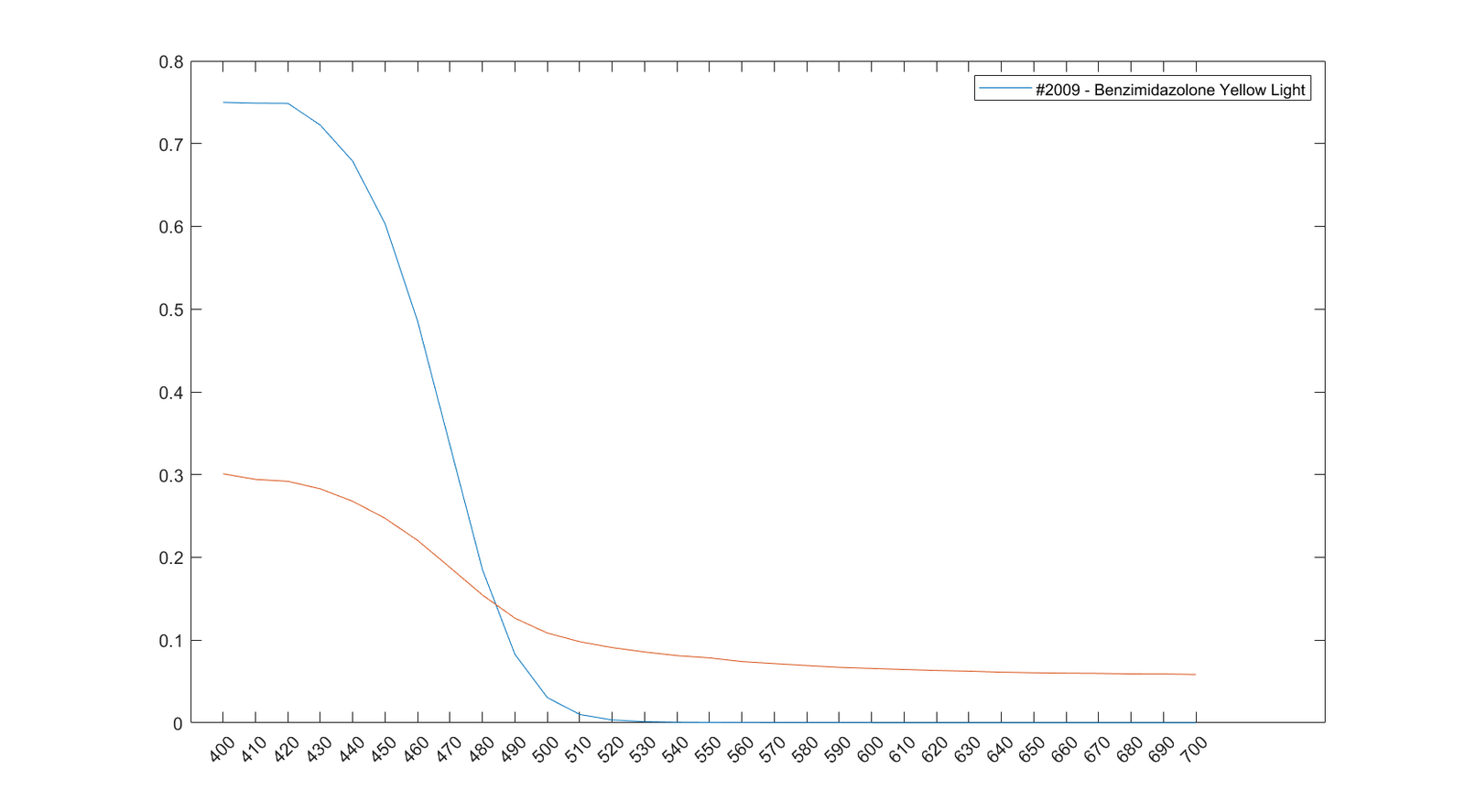
Pure yellow pigments have super strong absorption (how much of a light of a given wavelength is 'taken out' by pigment) of blue colors (to around 500nm range) but are almost fully transparent in lower (green and red) wavelengths. The color is produced because they have some minor scattering in the leftover wavelengths.
Scattering (how much wavelength is reflected back) is what we see, but the overall color depends on those two properties (see: https://en.wikipedia.org/wiki/Kubelka–Munk_theory - you can see proper equations there)
This is data about a real single pigment - in this case Benzimidazolone Yellow Light. Blue curve is the absorption rate, red line is scattering.
The only way to make this paint more 'opaque' is not to add more yellow pigment but to add white (which is a very good pure scatterer) with maybe a little bit of orange - it ends up as a very 'good egg yellow' that is quite opaque then. Pinkish colors will work quite well too, producing very 'juicy' yellow color.