Ha, put that way, seems pretty ridiculous doesn't it!35 feet
But so perversely satisfying, especially if you darken the wood where grubby hands would have grabbed it!

Ha, put that way, seems pretty ridiculous doesn't it!35 feet

Exactly.Ha, put that way, seems pretty ridiculous doesn't it!
But so perversely satisfying, especially if you darken the wood where grubby hands would have grabbed it!

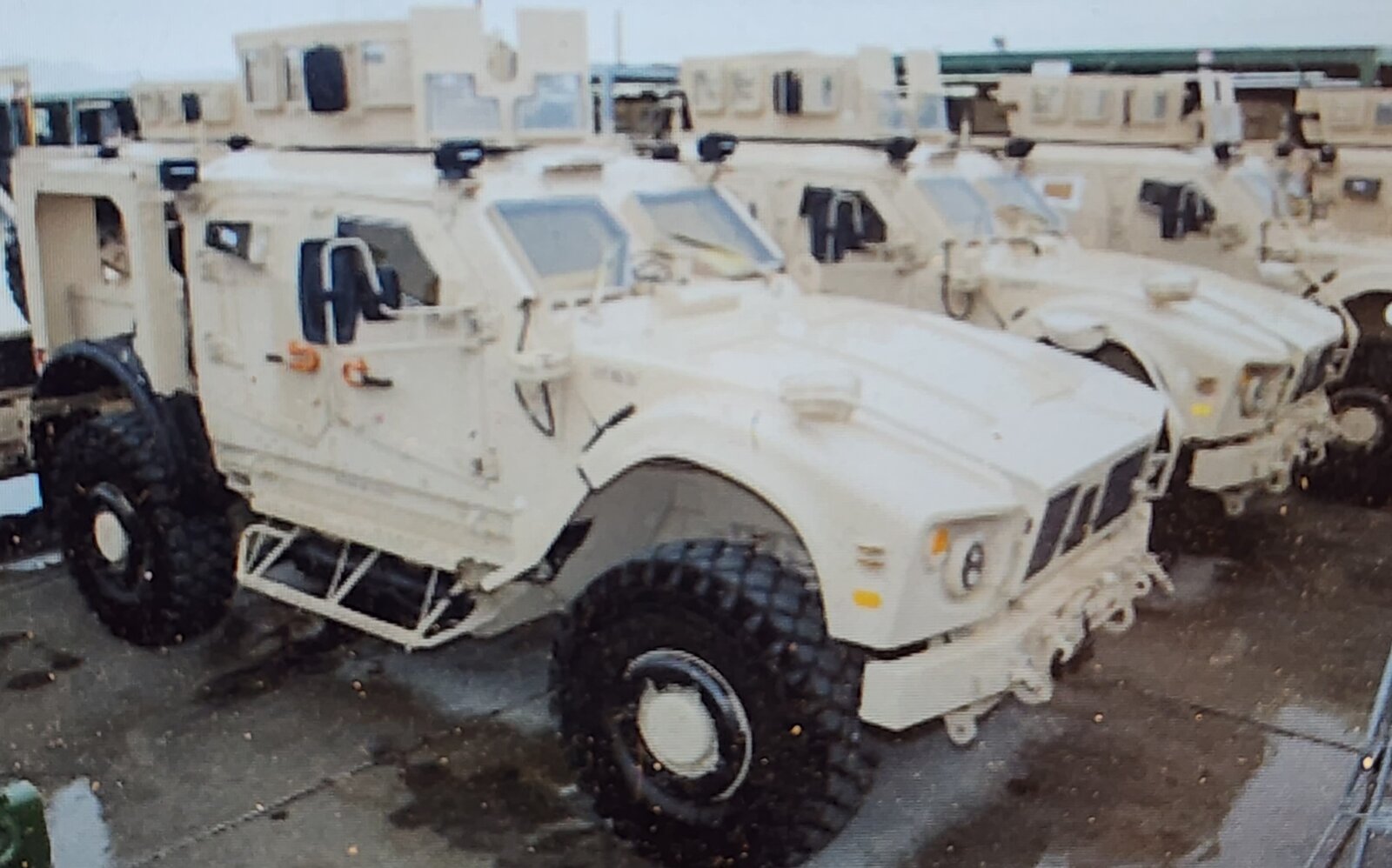

IDK if that's a good analogy .Show me a picture of the wood grain on an hickory Ace Hardware shovel handle at 35 feet and I'll buy lunch.

Agreed. I build little toy plastic airplanes. If model builders were "normal", we'd be embarrassed to admit it.I consider scale modeling to be a multidisciplinary art .
People should do what they want .
Go all Jackson ******* on that battleship if you want .

focal length of my mind

Not sure that's to do with the light so much as with knowledge about/experience with the subject matter. It's no different from approximately 99.9% of the population being able to tell you no better than that this:—Walk through the forest with someone who has spent their entire life there, and they will see things much differently than you even though it is exactly the same light landing on their retinas as yours.

Afternoon gentlemen.^^^^
I'm not sure how the eye actually works compared to a lens, but in photography, a 50mm lens was considered
I'll start by trying to figure out the focal length of my mind
probably
"normal". It gives roughly the field of view you get with your eyes.
That aside, the scale assumption is that you are viewing that model from 3' away. The assertion is that anything you would see at that viewing distance would be visible at 105' in real life. I call BS on that one as a premise for detailing. You may be able to walk up to that 1:1 tank or airplane and be mere feet away. That's the equivalent of viewing your model from inches. If someone wants to paint dirt on shovel handles, I think it looks fine. Real shovels have hand prints. Real airplanes have stains. Neither one has a glorious pre-shaded grid pattern laid out on the flat surfaces. Just my preference.

I did a lot of illustration back in the day, it was actually my day job for almost a decade. One thing you learn very quickly when using photographs as a reference is that the mind will accept that photograph as real when an EXACT drawing of the thing as seen in the photo looks "wrong". This is not necessarily "filling in" details, it is filtering them out.... is mostly interpolation and interpretation in your mind, filling in details that aren't there, missing things that are, because your mind has usually already decided what you are seeing before you really look.
Exactly, its what is in the head that makes the difference, even if the signal (light) is the same...Not sure that's to do with the light

It will be interesting to see, in twenty years, after people have been sufficiently mislead, duped and cheated by photographic looking AI images, and virtual unreality, just how this whole discussion will go!Your subconscious accepts the weird angle of the discus-thrower's arm as accurate
Nice! I hope you will bring other insights to our discussions and in your build process posts, from your particular perspective (pardon the pun!)I did a lot of illustration
Pannel lines are like religion, " I know what I believe, don' confuse me with the facts". Weathering in general is all about various sects. I am convinced that most air craft modelers build models of panel lines. When you look at there model they "pop". I endeavor to build my models based on a specific photo of it in action. If you have a different criteria of what you want your model to be, that is fine; it is your model!Yes agree specially the over shading of panels that look very unrealistic. I prefer marbling to break up the monotone colors.
I'll admit to being a panel liner. I probably do more than is realistic, but try to differentiate between an actual movable gap like gear doors, flap-wing joints, aileron-wing joints (darkest/dirtiest), access panels (smaller and not as dark) and riveted on panels (finest and lightest). My goal is that you can see the largest real life gaps from the greatest viewing distance. Sometimes, I am more successful than others and will never get it perfect.Pannel lines are like religion, " I know what I believe, don' confuse me with the facts". Weathering in general is all about various sects. I am convinced that most air craft modelers build models of panel lines. When you look at there model they "pop". I endeavor to build my models based on a specific photo of it in action. If you have a different criteria of what you want your model to be, that is fine; it is your model!
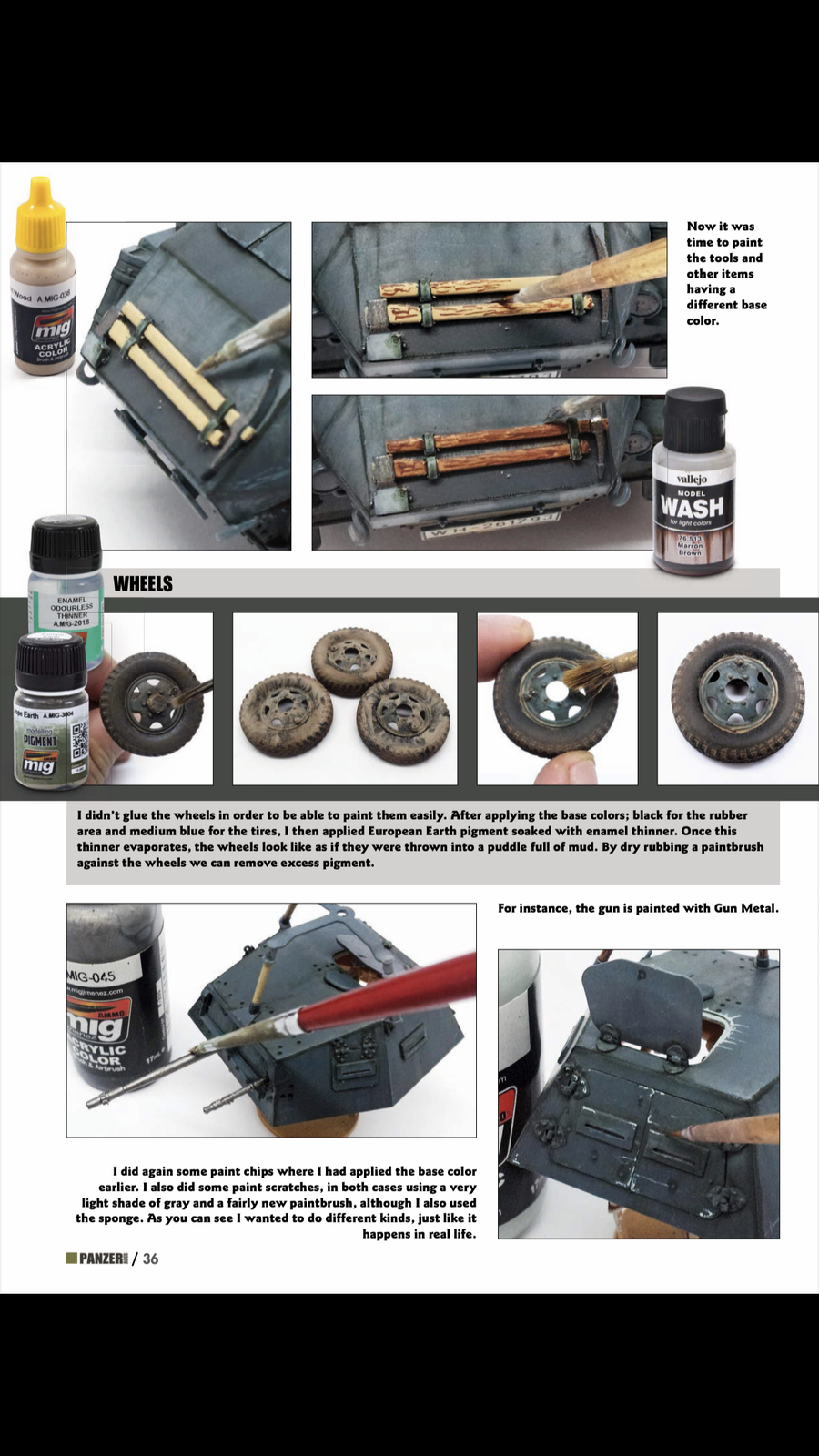
Those tool handles are a prime example of this topic. In the article narrative: "Just like it happens in real life"......
So do I, even while saying it is not realistic.I'll admit to being a panel liner. I probably do more than is realistic, <snip>
Barley,Exactly, its what is in the head that makes the difference, even if the signal (light) is the same...
It will be interesting to see, in twenty years, after people have been sufficiently mislead, duped and cheated by photographic looking AI images, and virtual unreality, just how this whole discussion will go!
Nice! I hope you will bring other insights to our discussions and in your build process posts, from your particular perspective (pardon the pun!)
Perhaps we could start a separate thread on the mechanics of sight, cognition and visual design principles as applied to model building. Not everyone's cup of tea, but there is a lot there to share and learn.


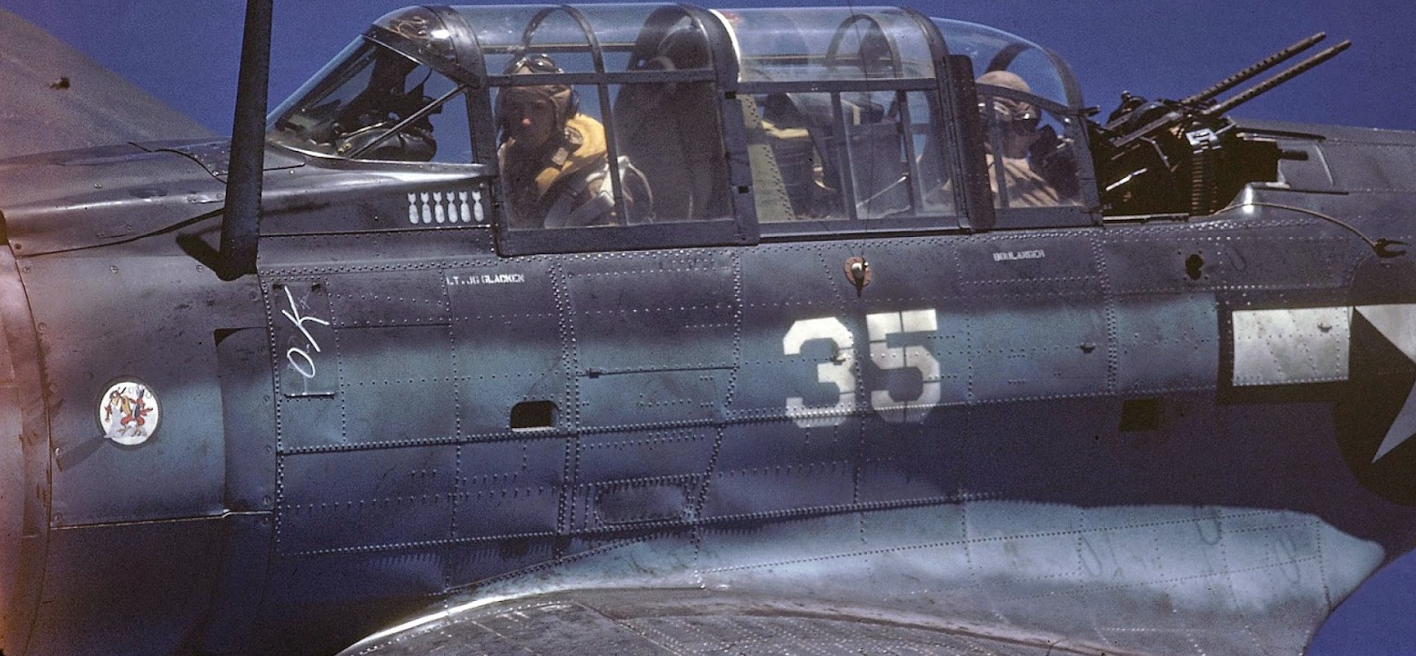

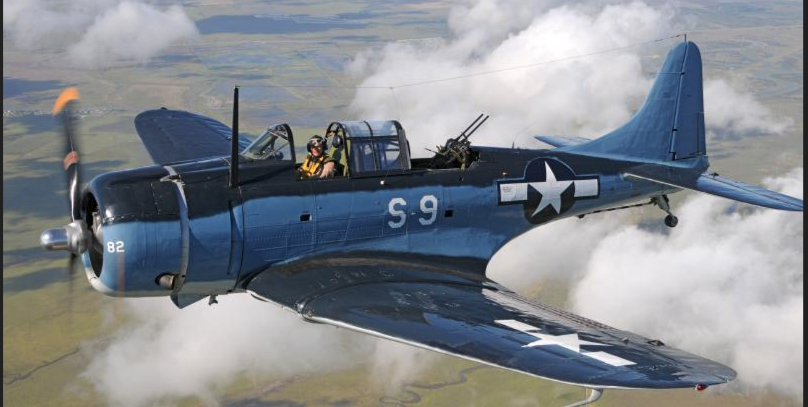
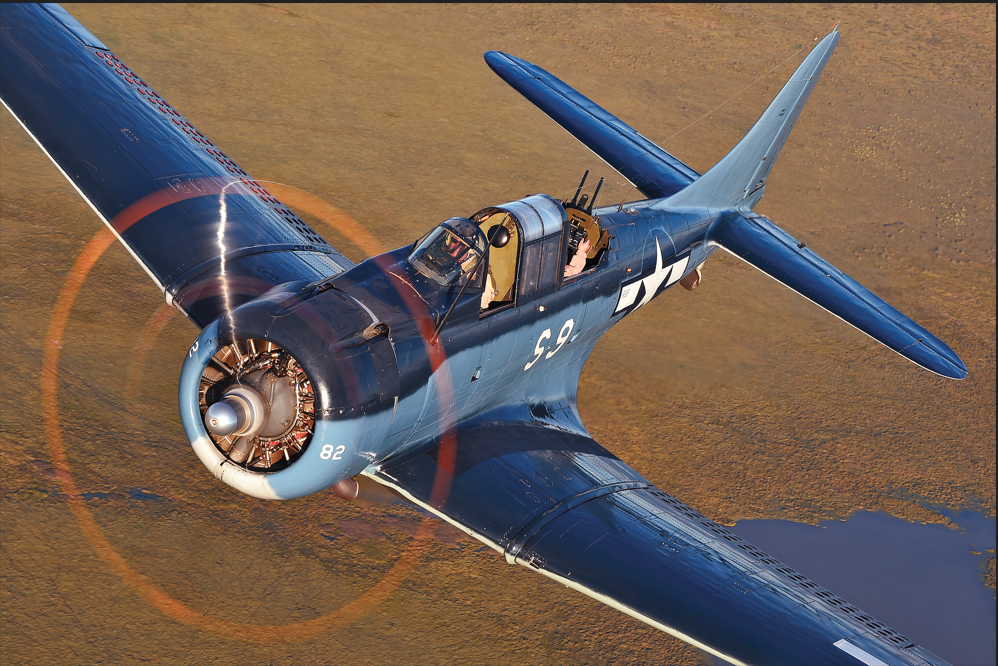
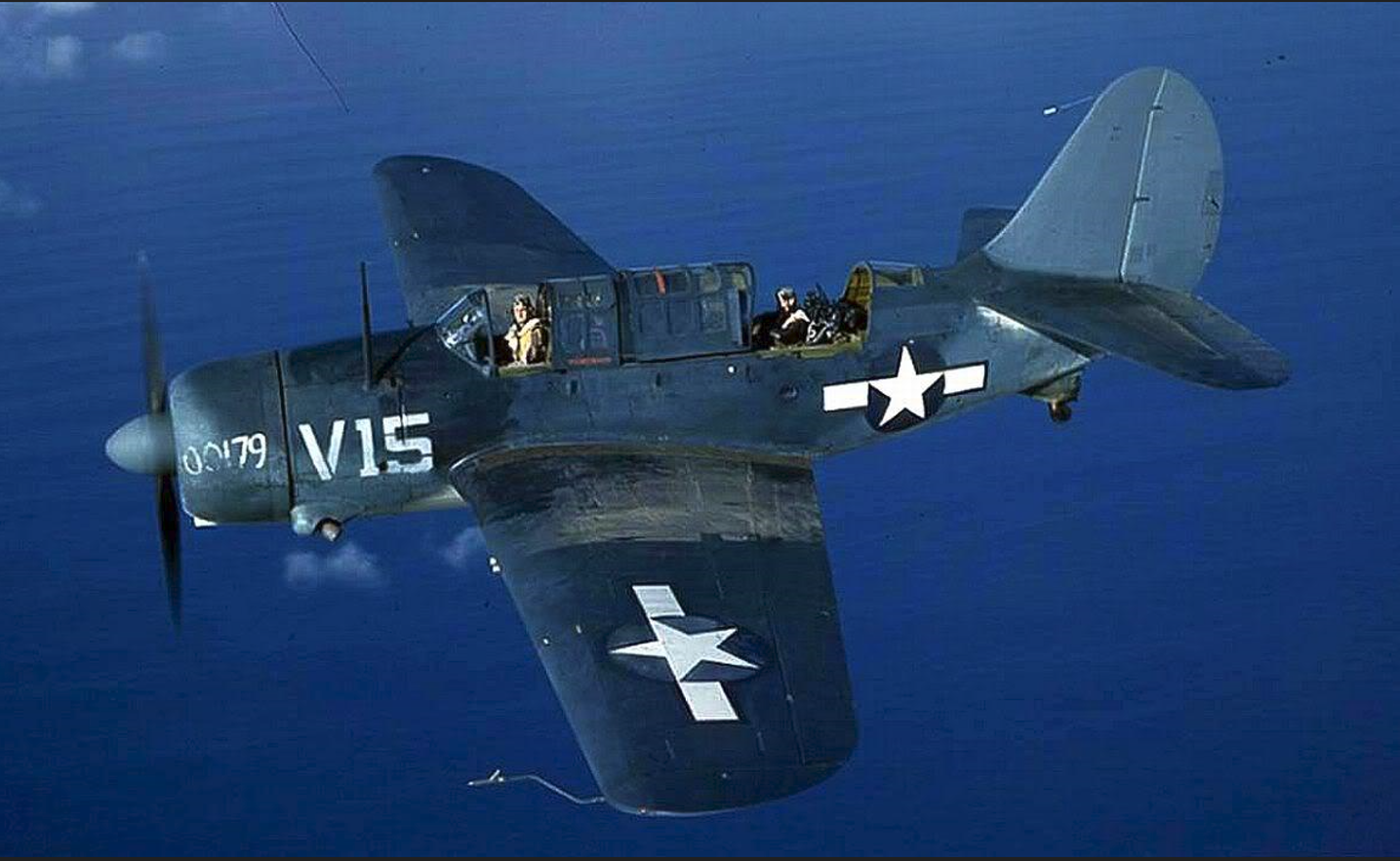
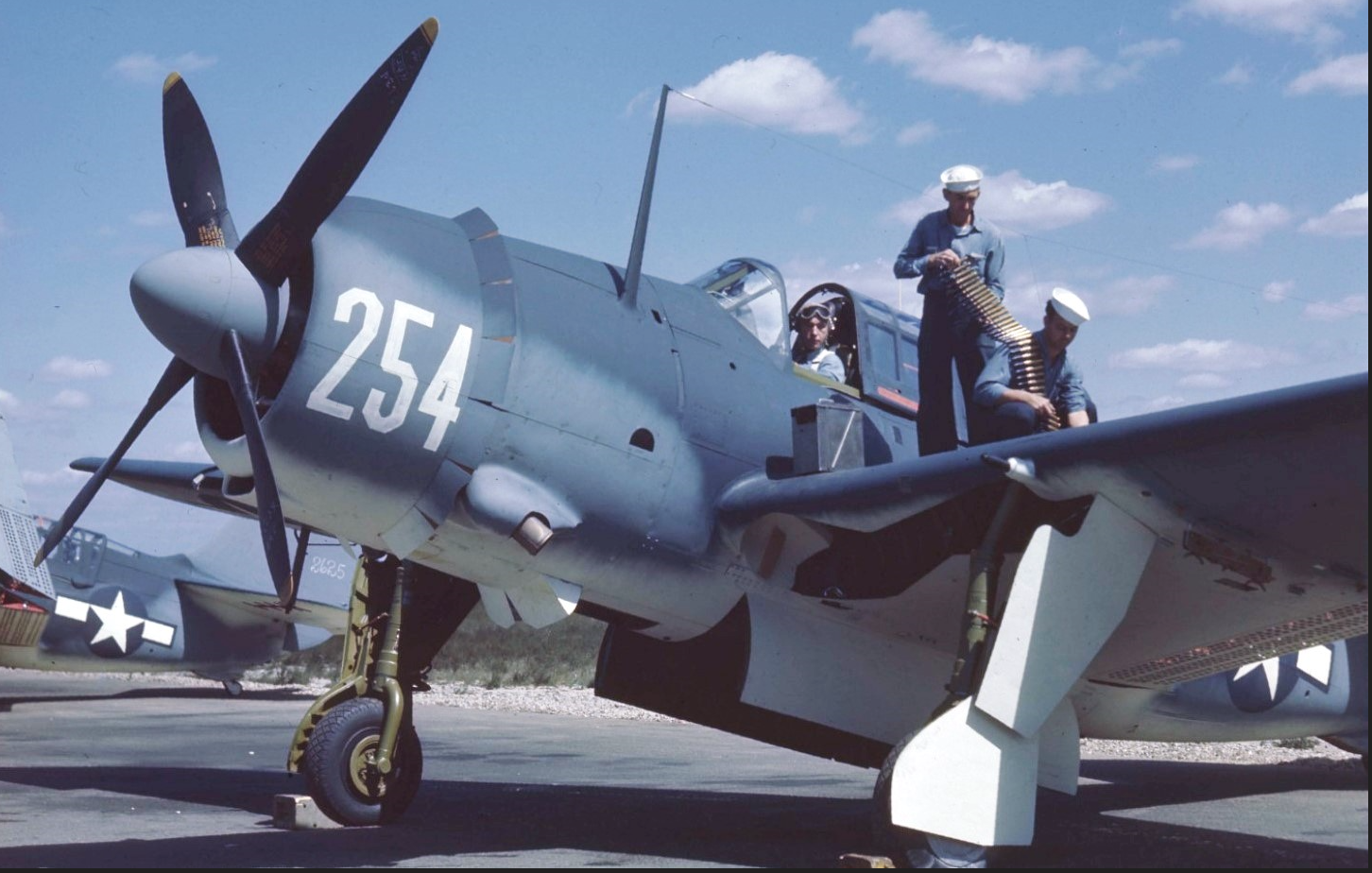



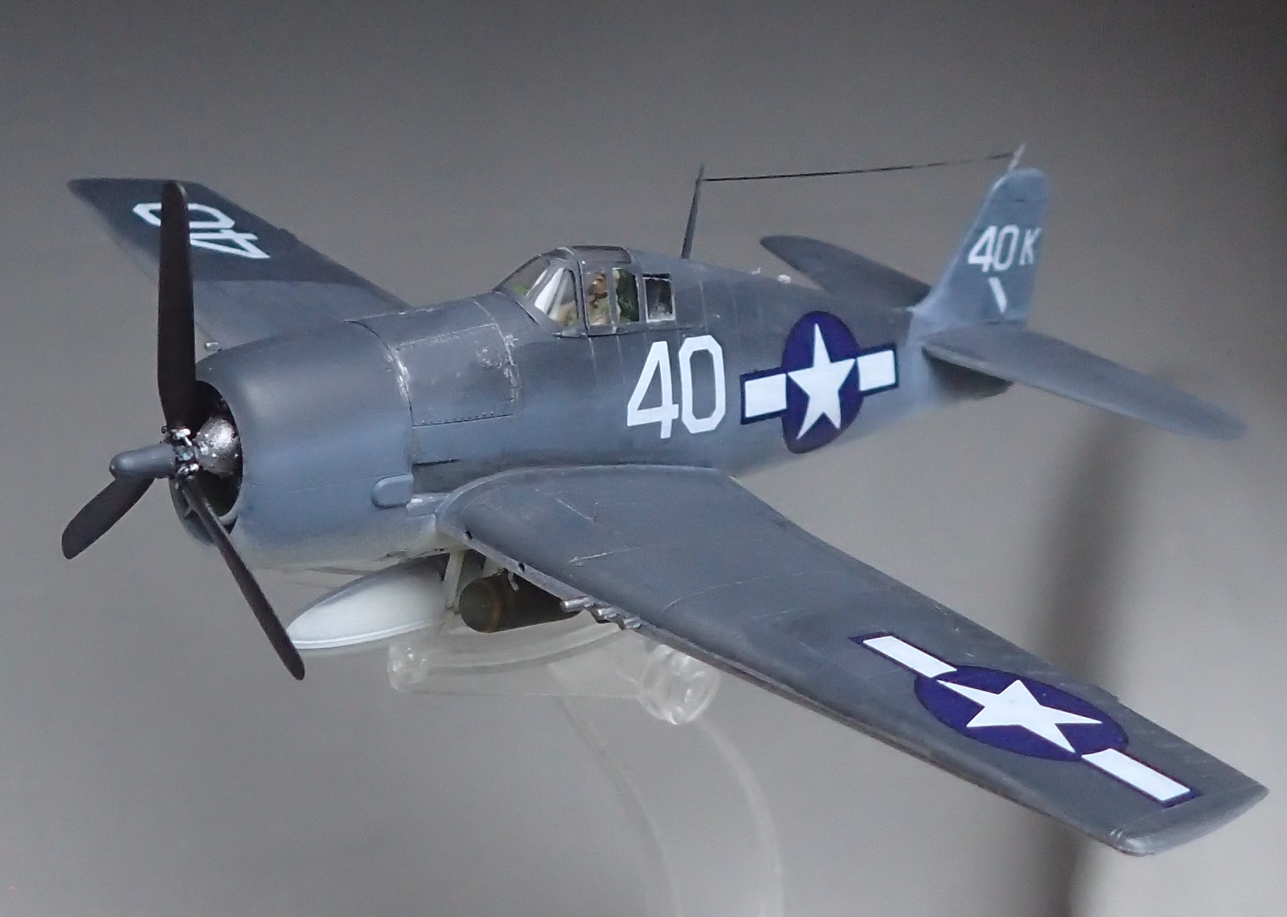
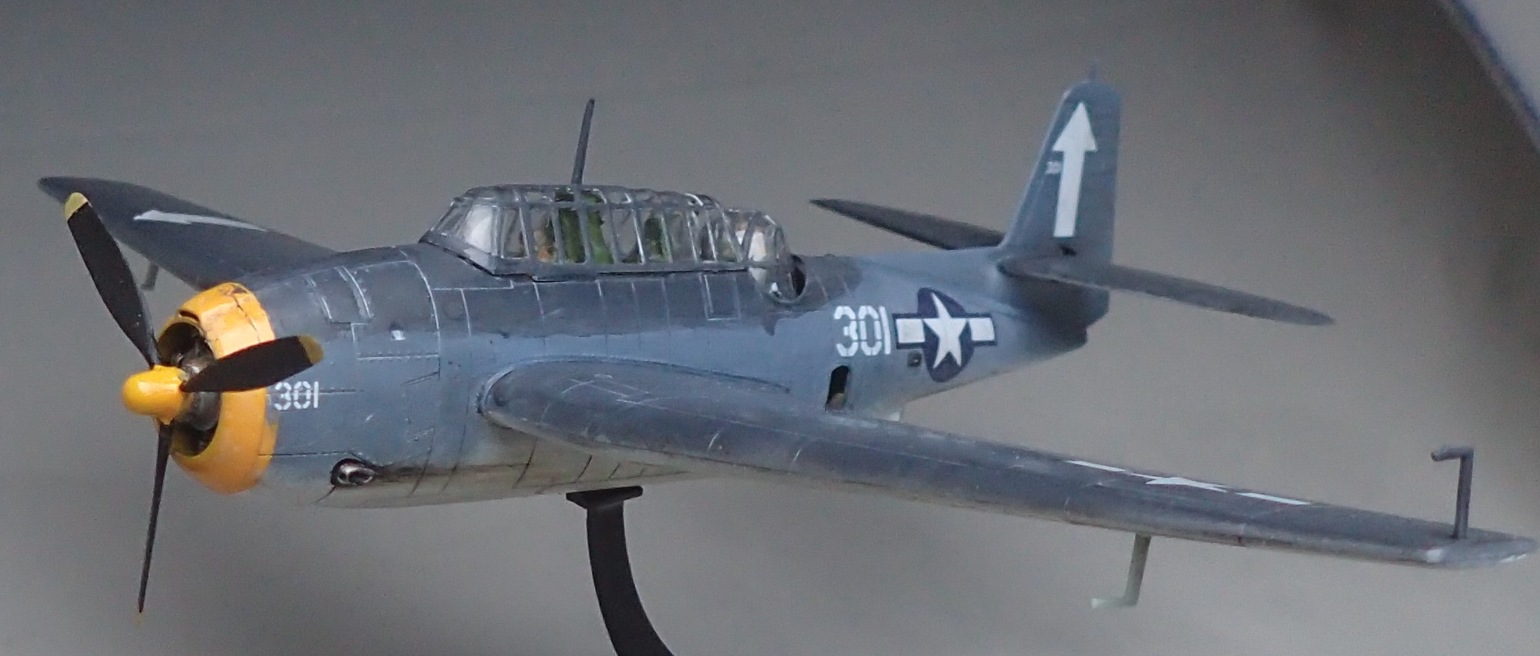
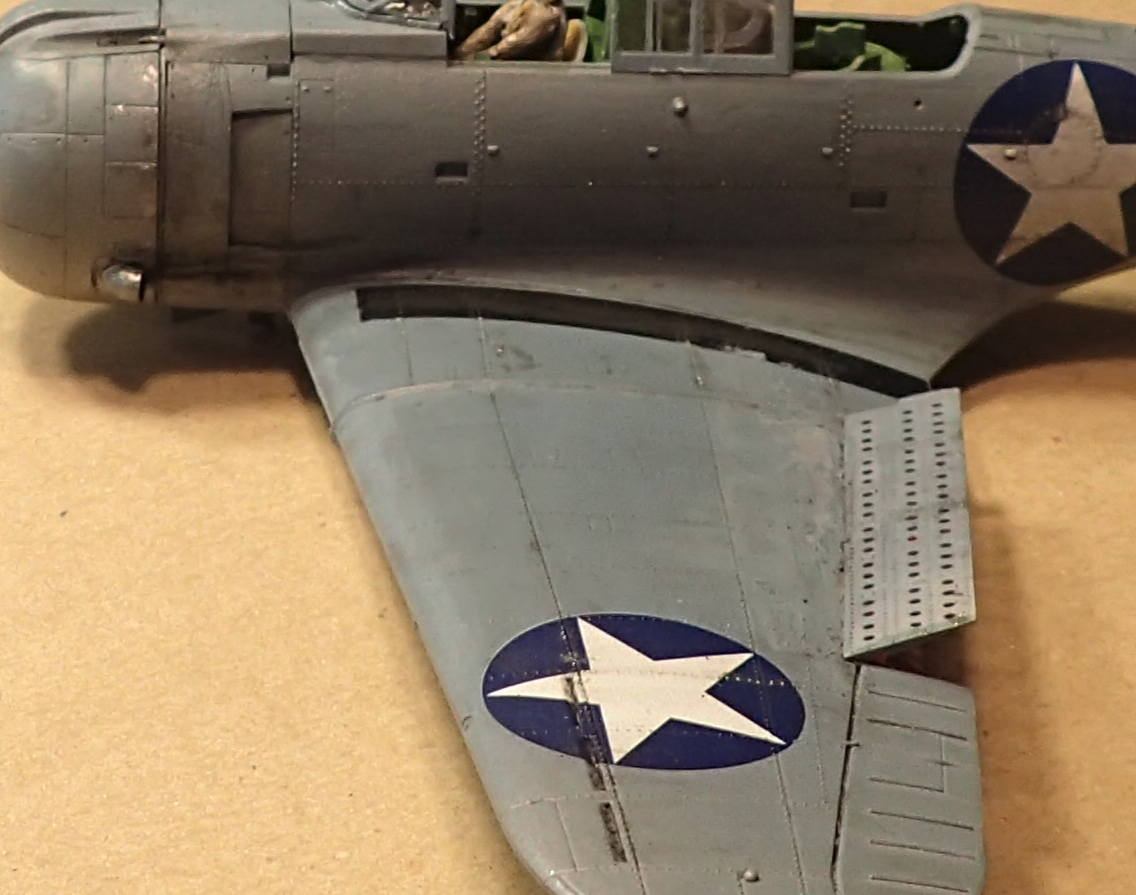
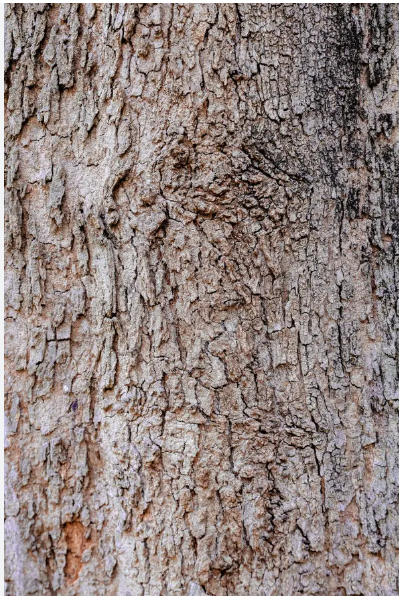

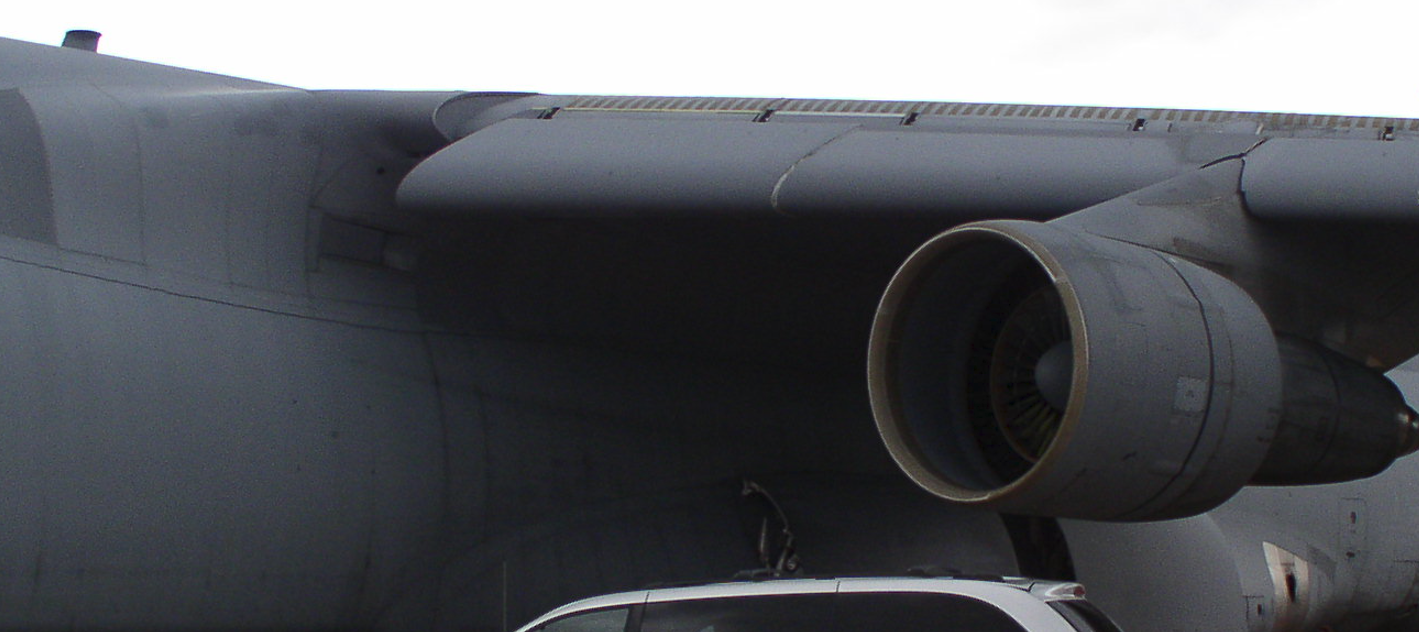
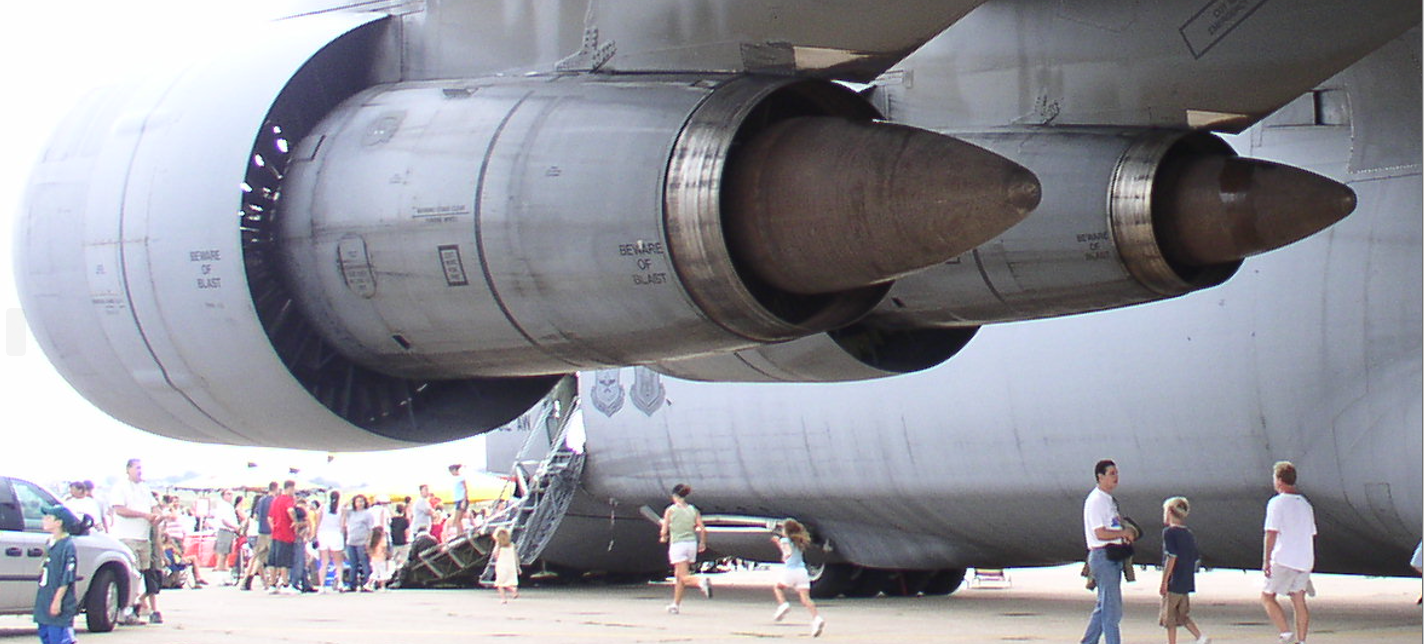
^^^^
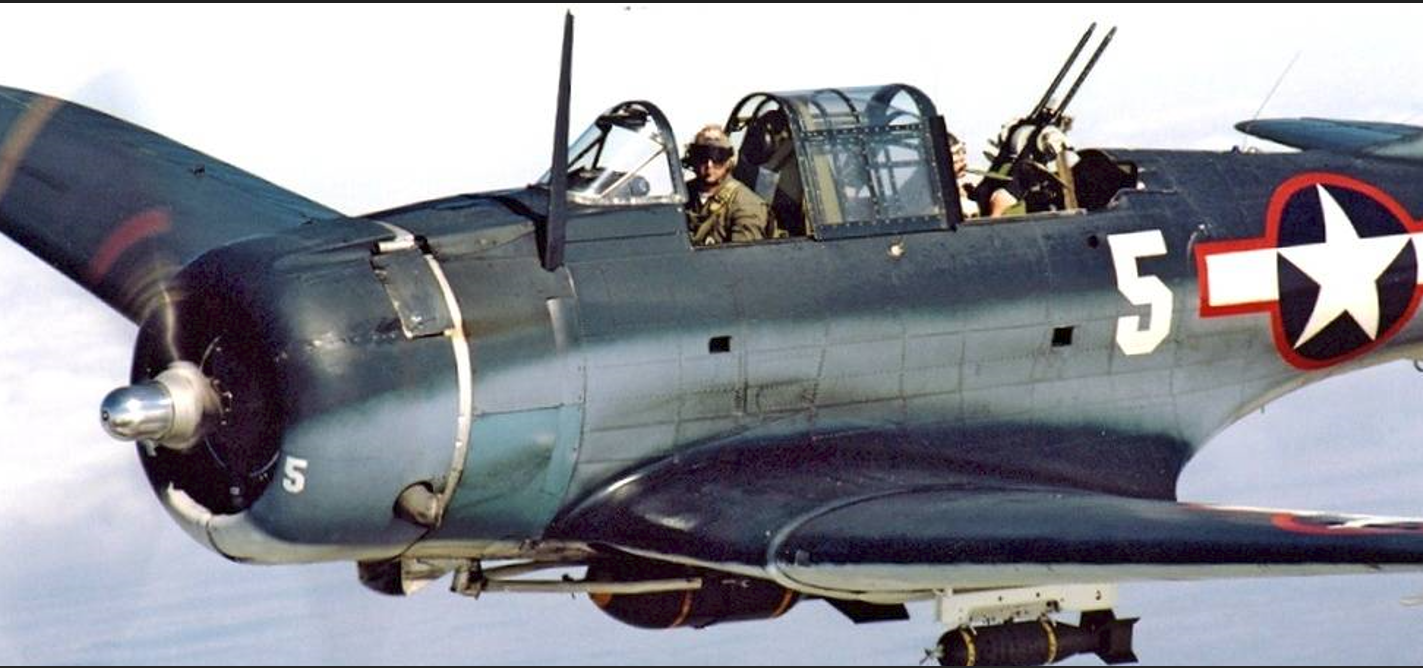
I'd add that color film was pretty scarce during WWII. The later colorizing of many of those weathered plane photos may have involved more creative artistry than what we put on plastic models.


![Pampers Sensitive Baby Wipes, Clinically Proven, Fragrance Free, Unscented, Water Based, Hypoallergenic, Multi-Use, Hand Wipes 336 Wipes Total (6X Flip-Top Packs) [Packaging May Vary]](https://m.media-amazon.com/images/I/41KLBHu9CAL._SL500_.jpg)