


You are using an out of date browser. It may not display this or other websites correctly.
You should upgrade or use an alternative browser.
You should upgrade or use an alternative browser.
Volkswagen T1 Camper - Revell
- Thread starter C.A. Whitecloud
- Start date
C.A. Whitecloud
Well-Known Member
C.A. Whitecloud
Well-Known Member
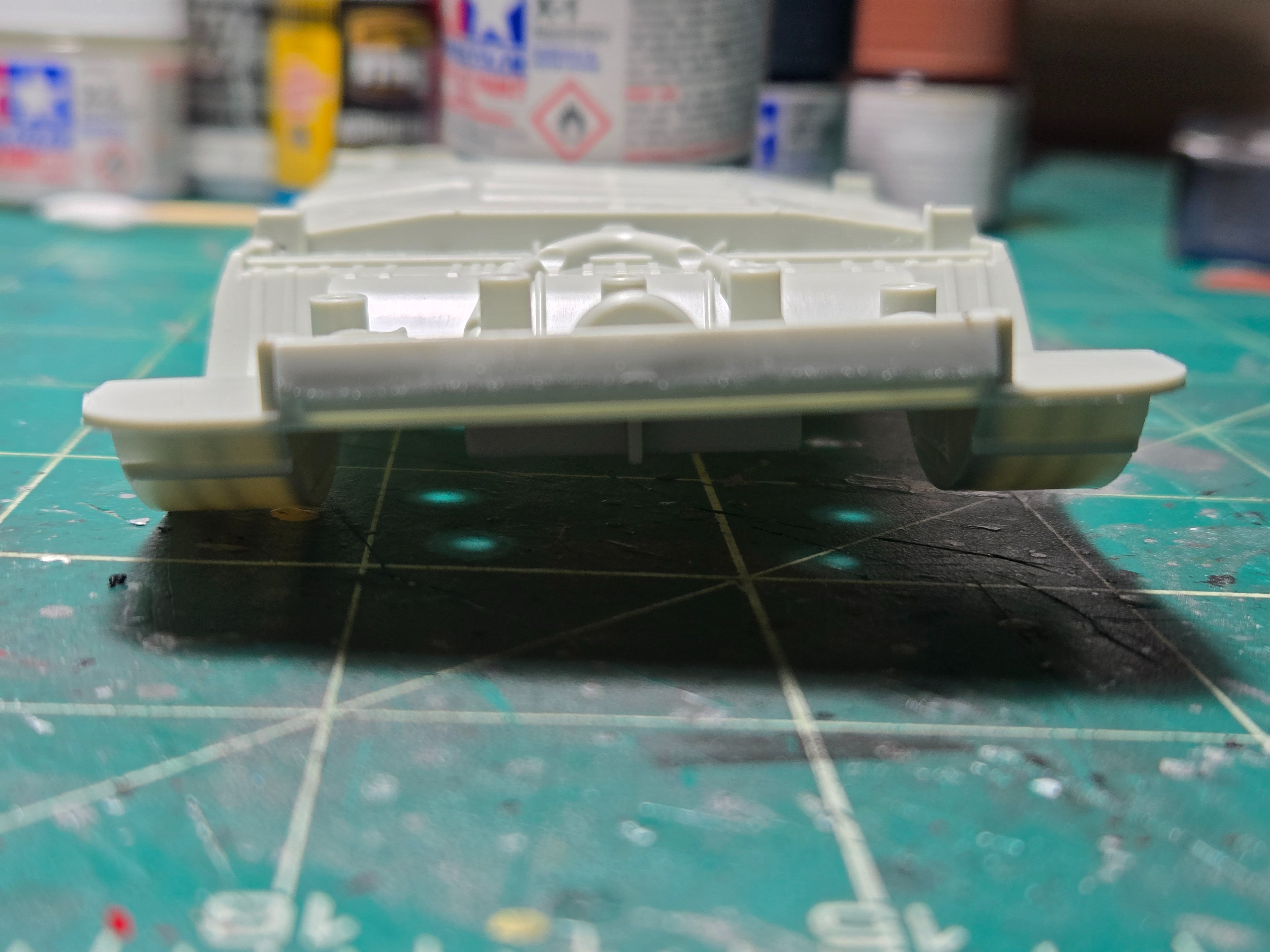
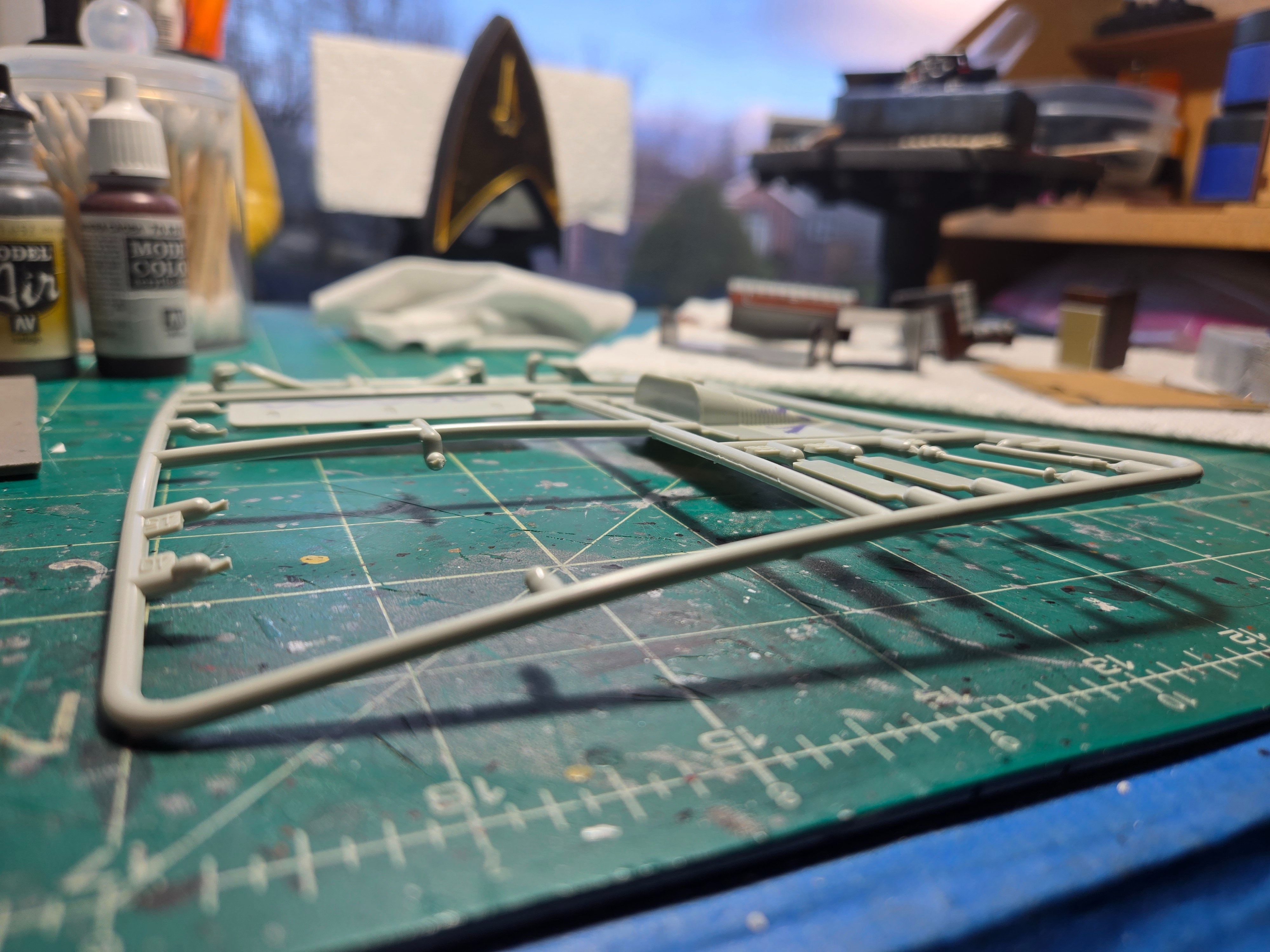
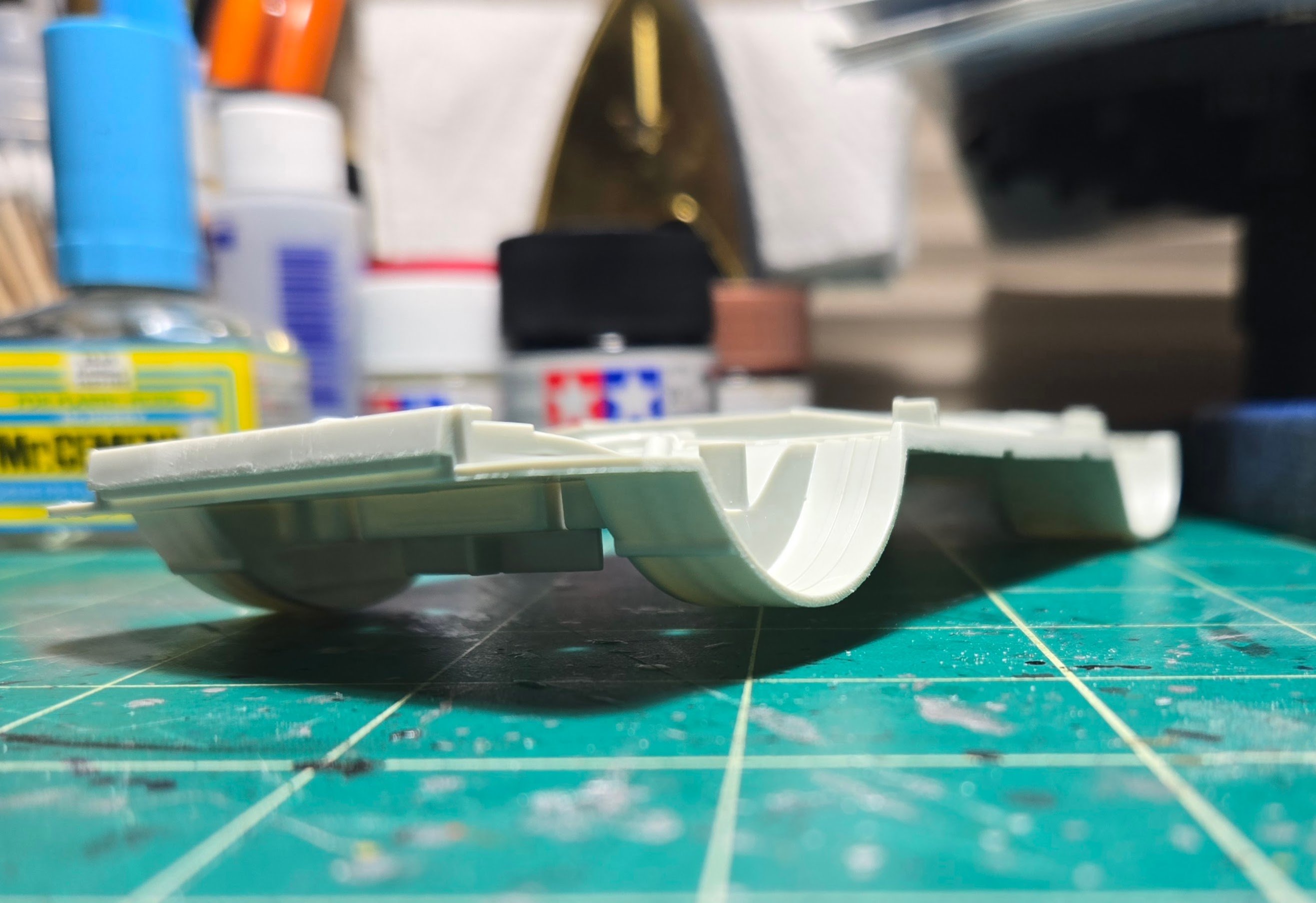
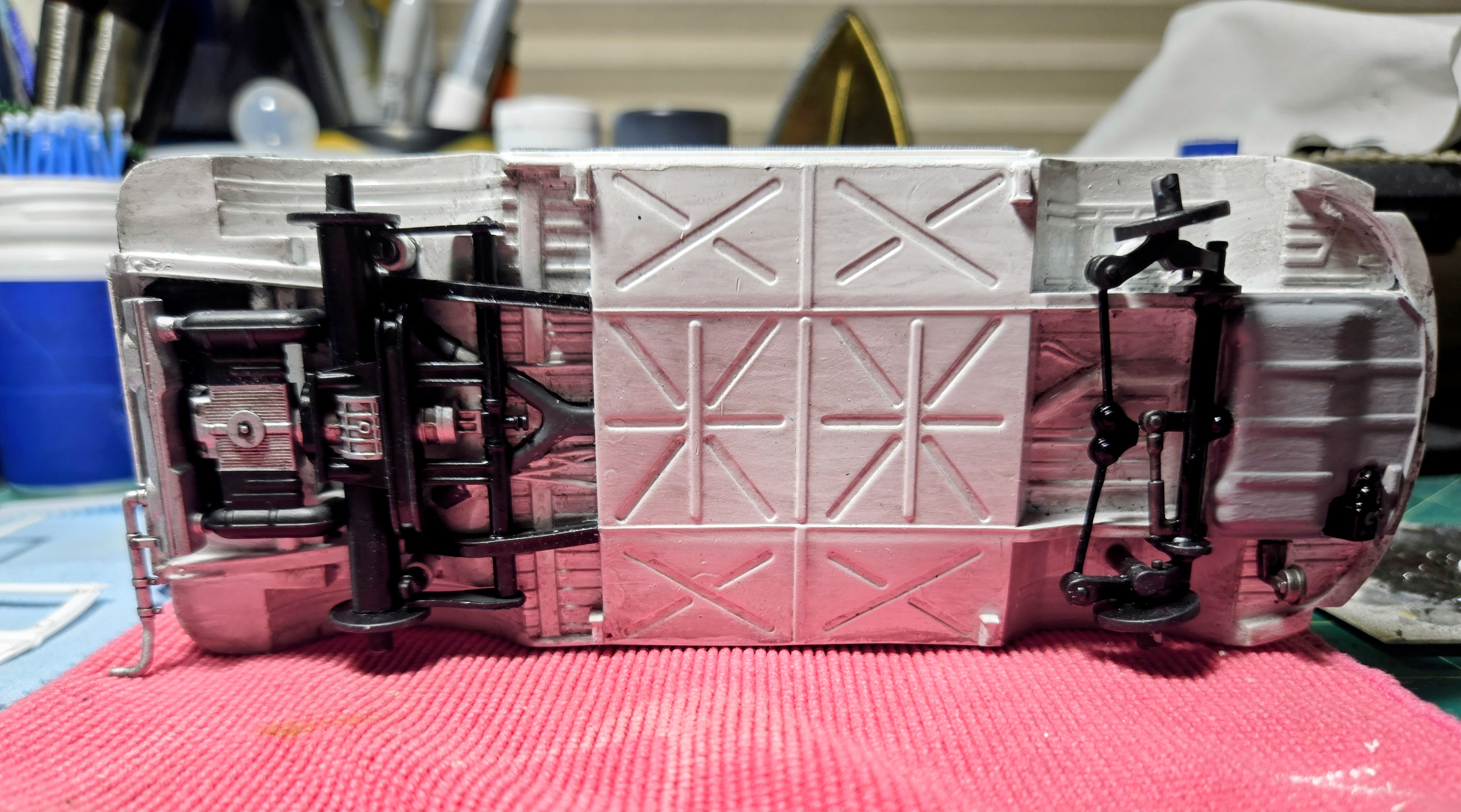
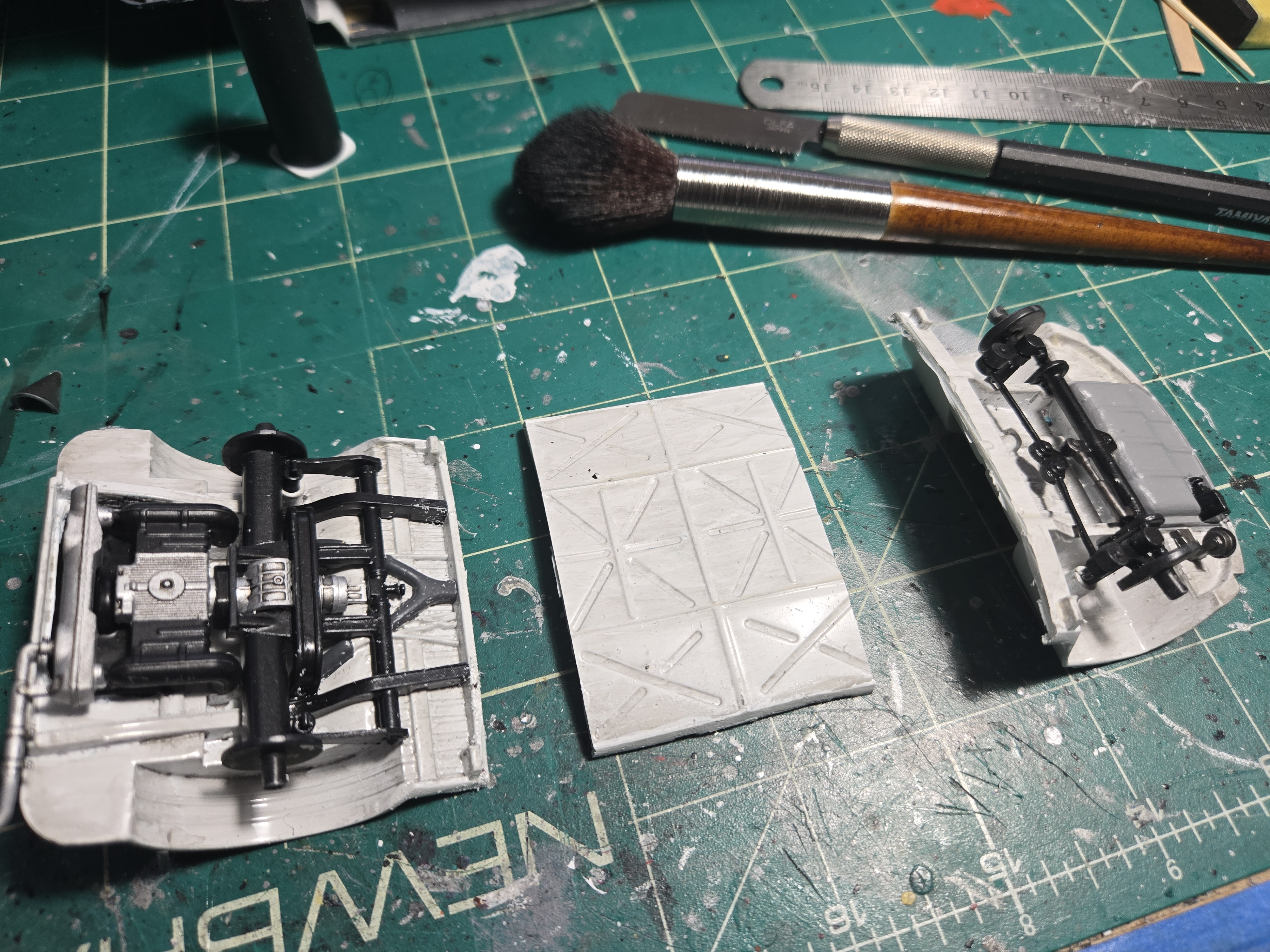
Under carriage such that it is.
C.A. Whitecloud
Well-Known Member
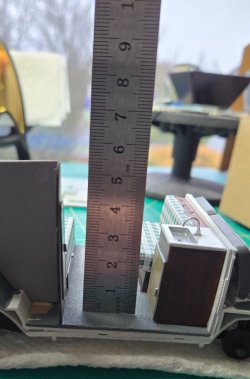
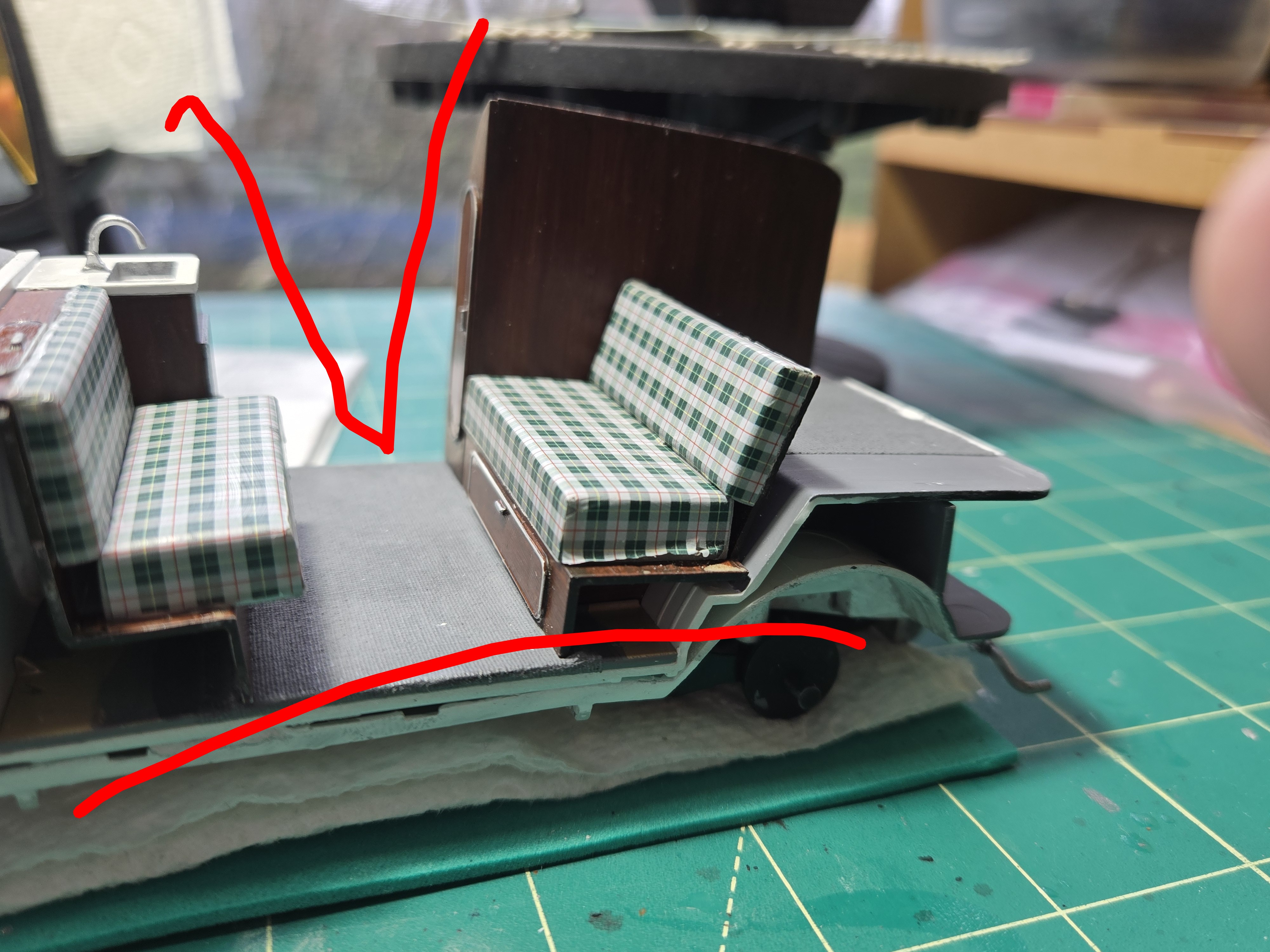
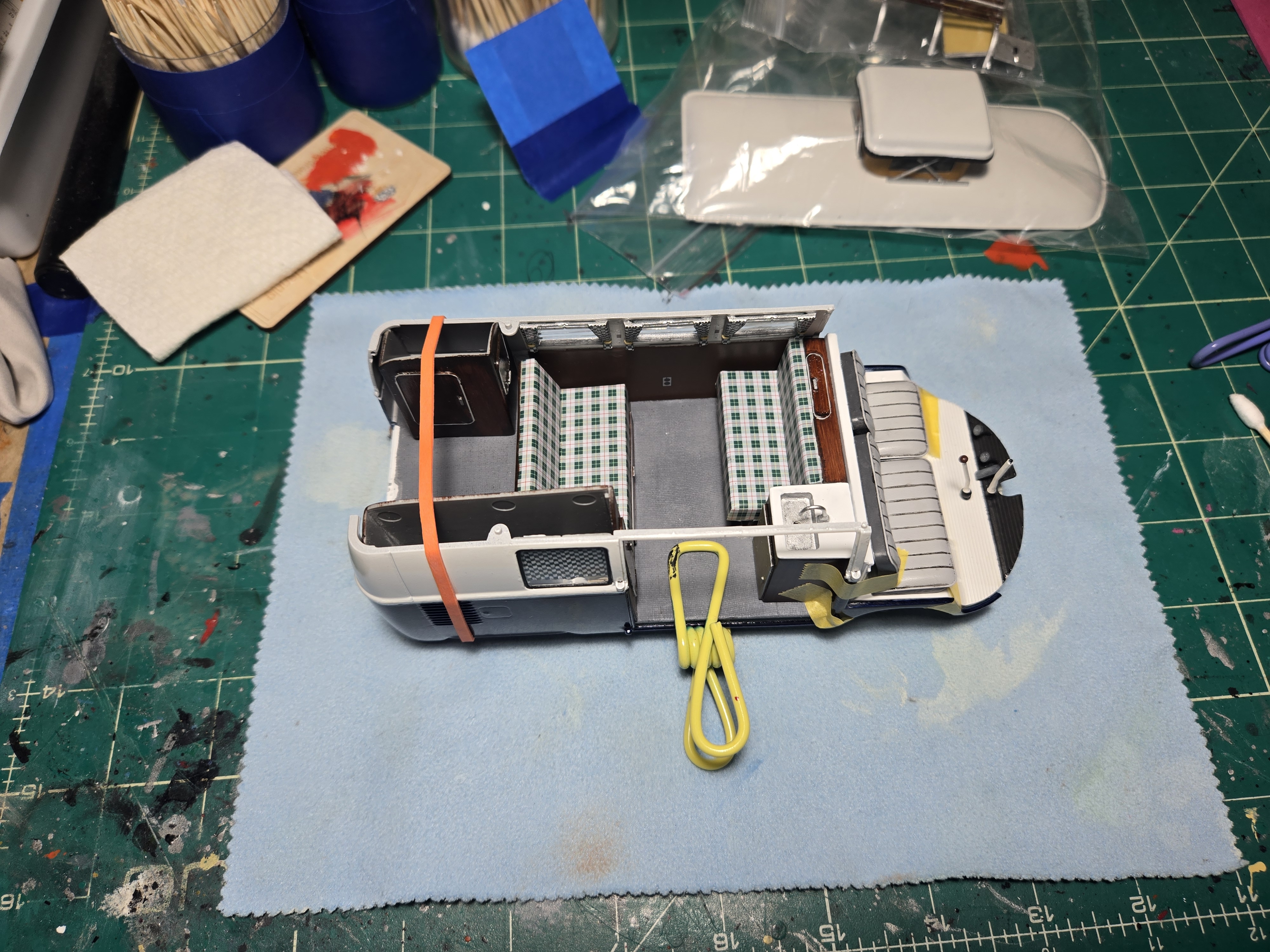
Interior well underway. But look at that nasty bend.
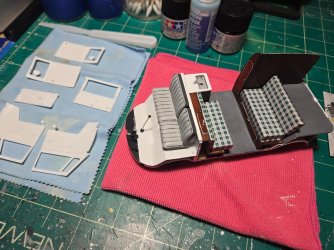
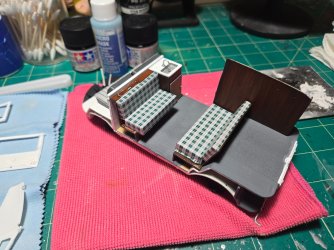
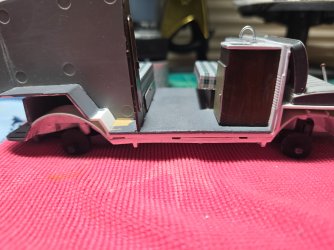
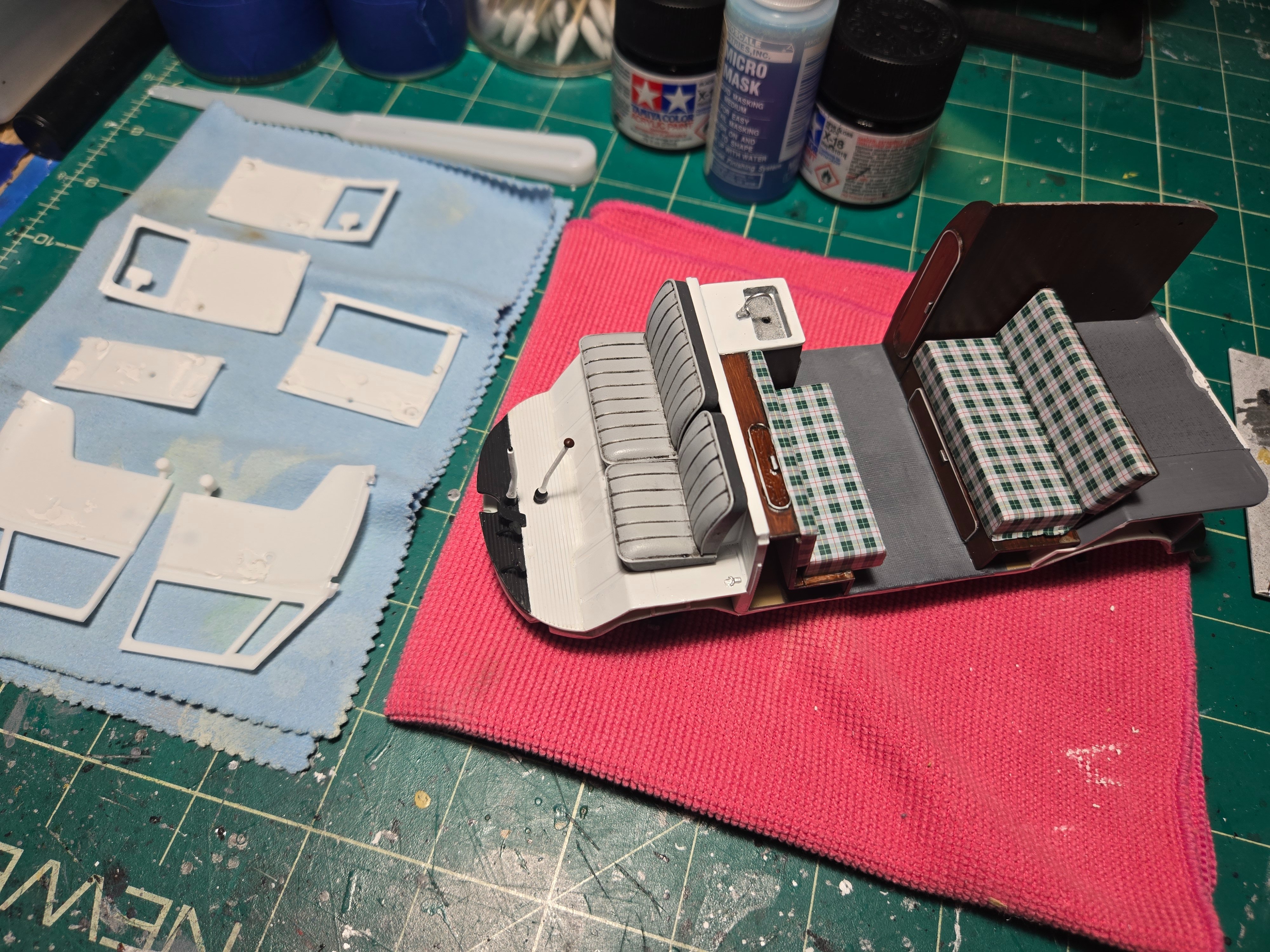
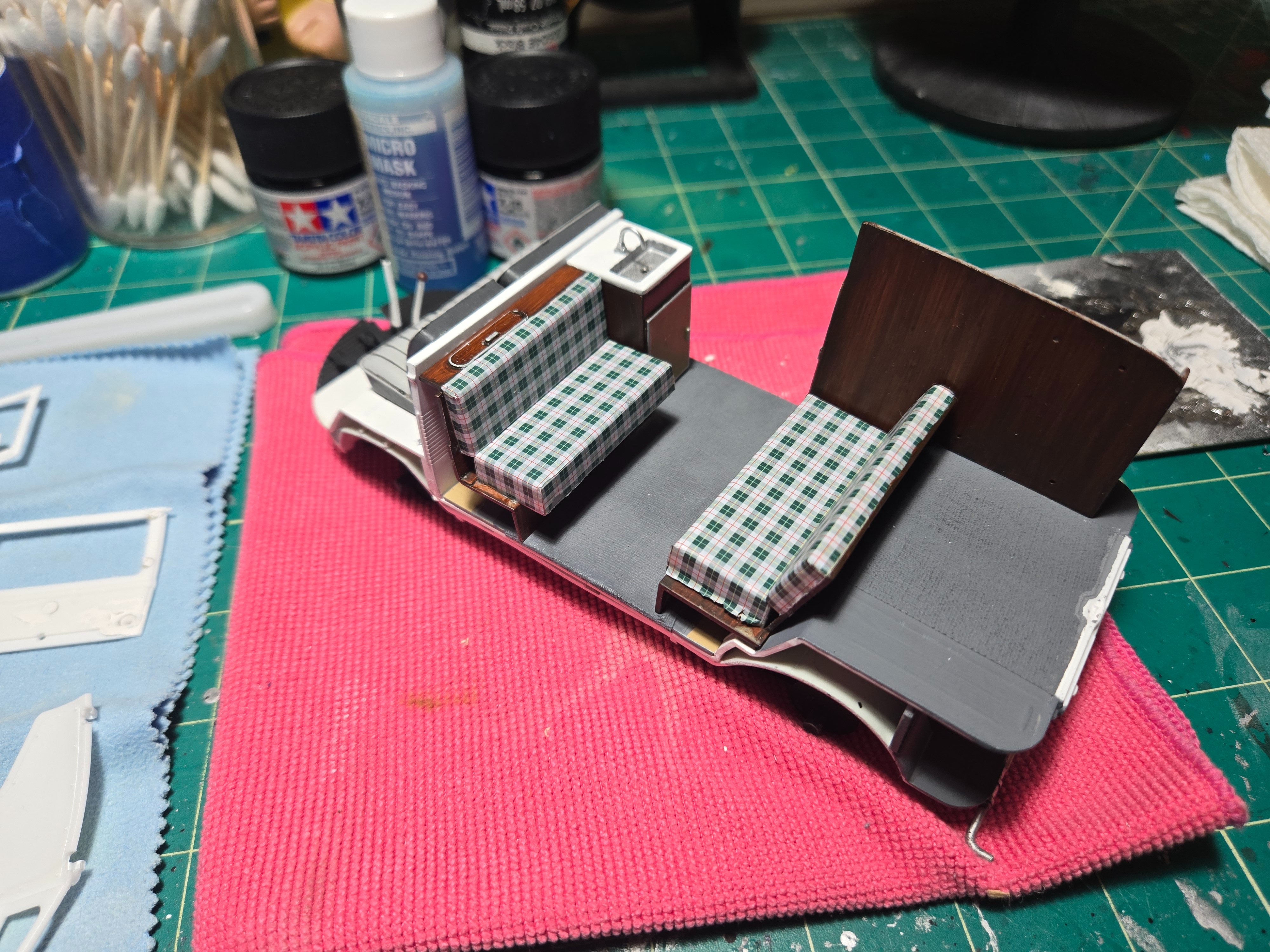
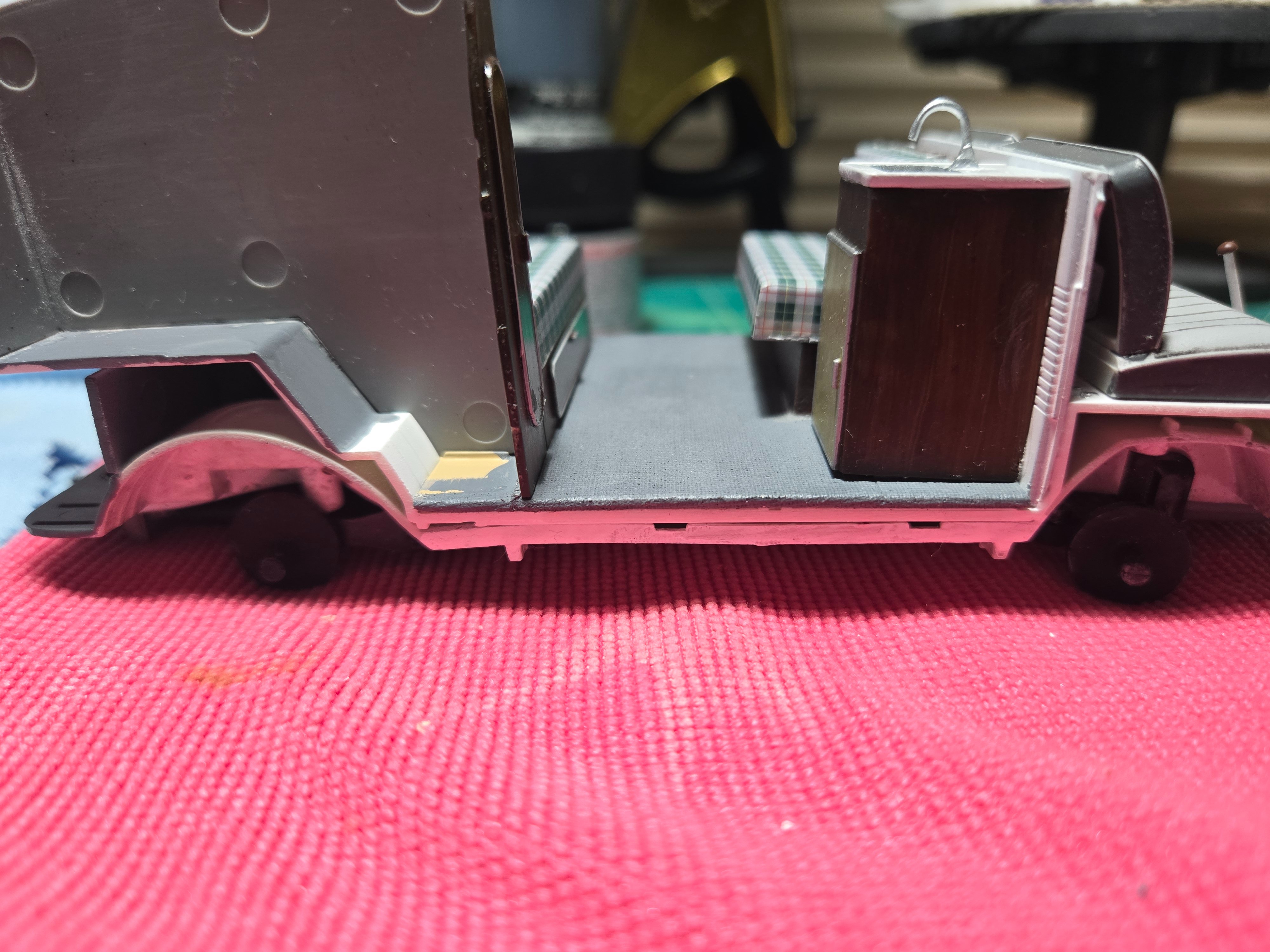
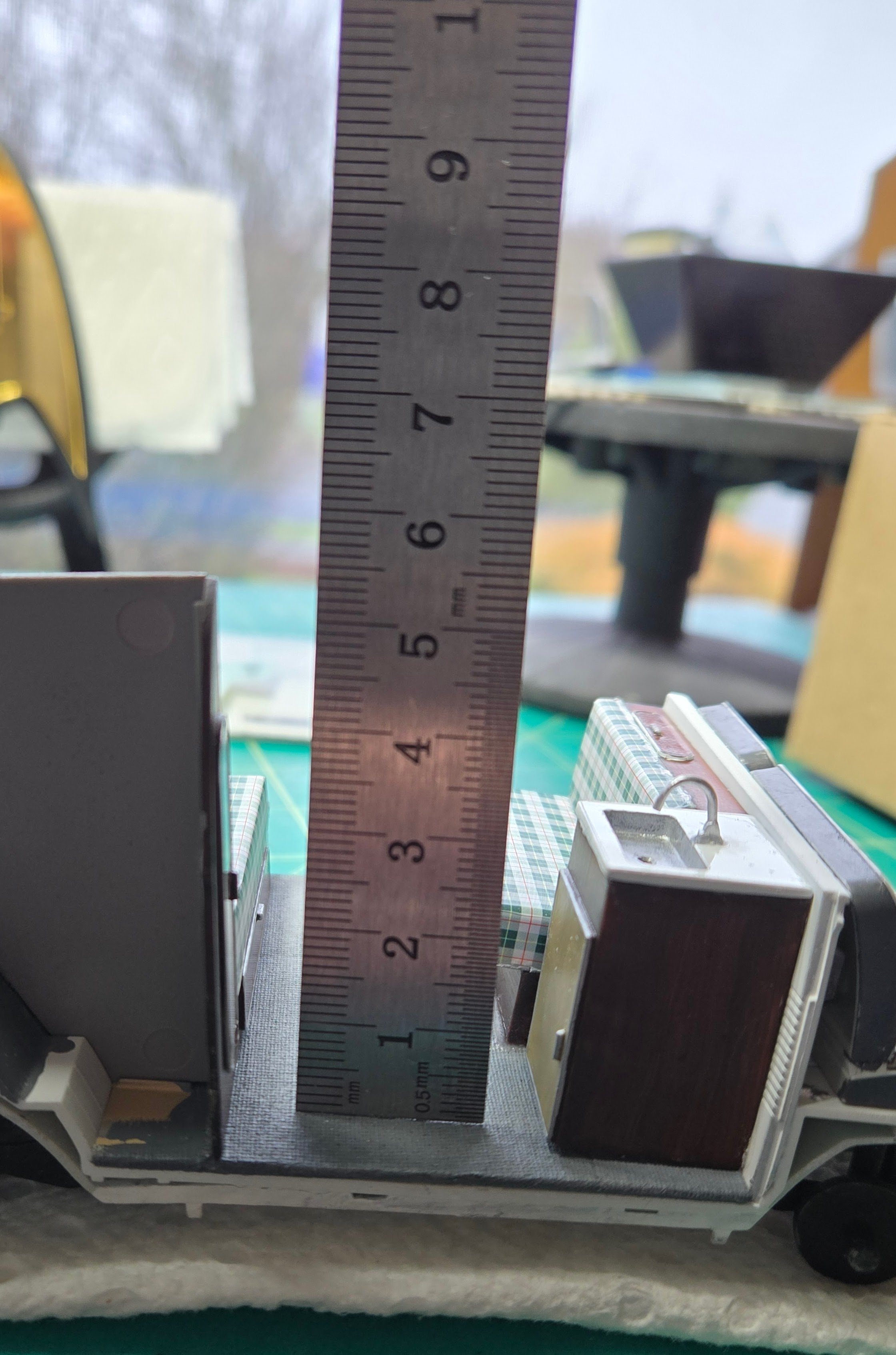

Seeing that plaid's got me all choked up for those days gone by!
My brother once restored a white one, named it 'Snowflake'. It ended up in the local VW dealership showroom, last I heard.
My brother once restored a white one, named it 'Snowflake'. It ended up in the local VW dealership showroom, last I heard.


![Pampers Sensitive Baby Wipes, Clinically Proven, Fragrance Free, Unscented, Water Based, Hypoallergenic, Multi-Use, Hand Wipes 336 Wipes Total (6X Flip-Top Packs) [Packaging May Vary]](https://m.media-amazon.com/images/I/41KLBHu9CAL._SL500_.jpg)







As an Amazon Associate we earn from qualifying purchases. Product prices and availability are accurate as of the date/time indicated and are subject to change.
Going to be watching this! We had one when I was a kid.Interior well underway. But look at that nasty bend.
View attachment 193109View attachment 193110View attachment 193111View attachment 193112View attachment 193113

I was going to suggest a heat gun with quick passes. Don't leave it in one spot too long.For bends I use a torch lighter with fast light passes to help straighten any bends in the frame or parts. Have you tried that?
Great work though


JerseyDevil
Member
A glimpse of your build's interior is bringing back memories! There was a family a couple houses up the street from me that had a white VW camper like the one your building. I remember the sink, the little closet, and the plaid seats which I believe folded down into beds. Excellent work so far and very life-like as well!
Last edited:
C.A. Whitecloud
Well-Known Member
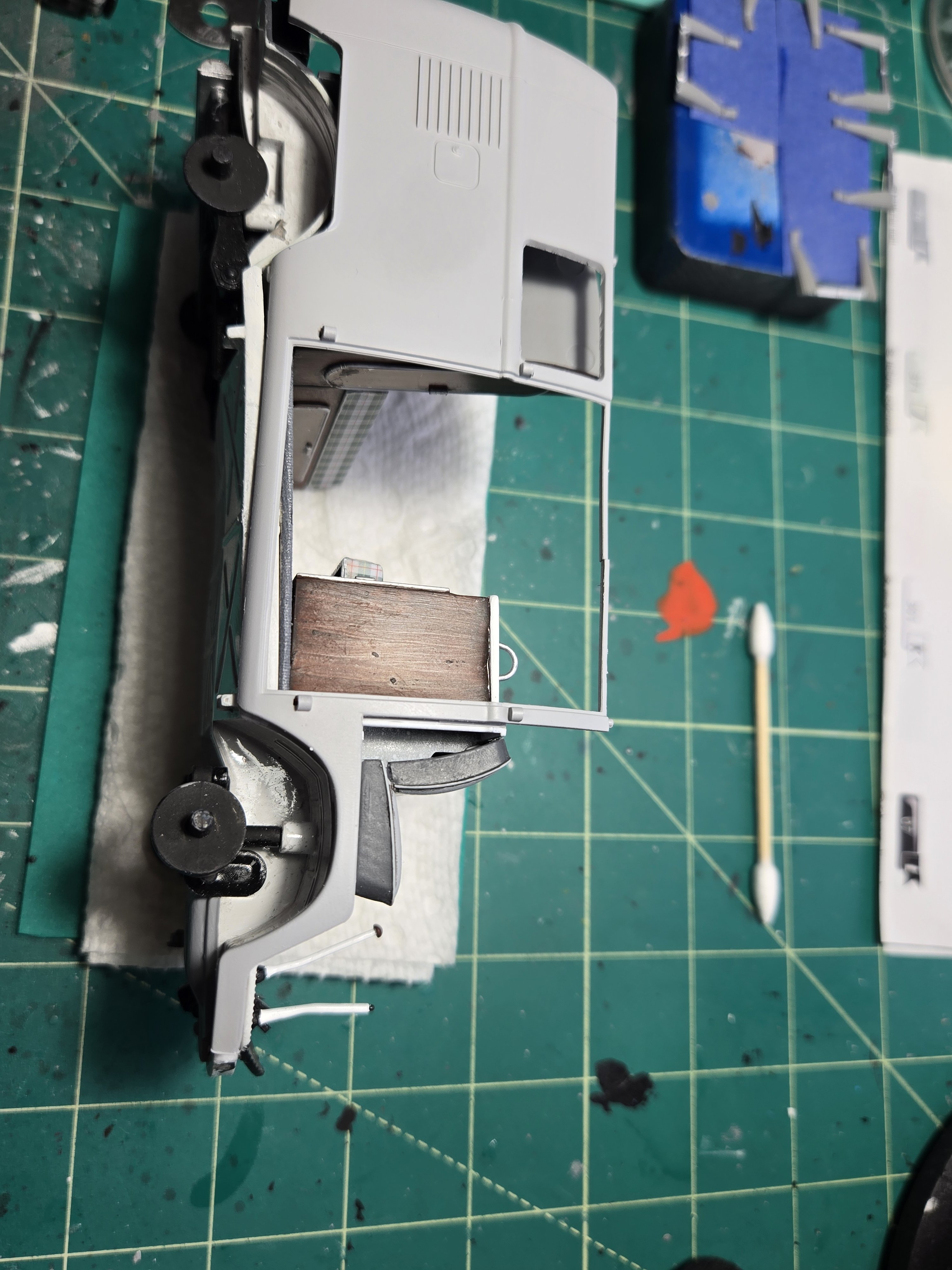
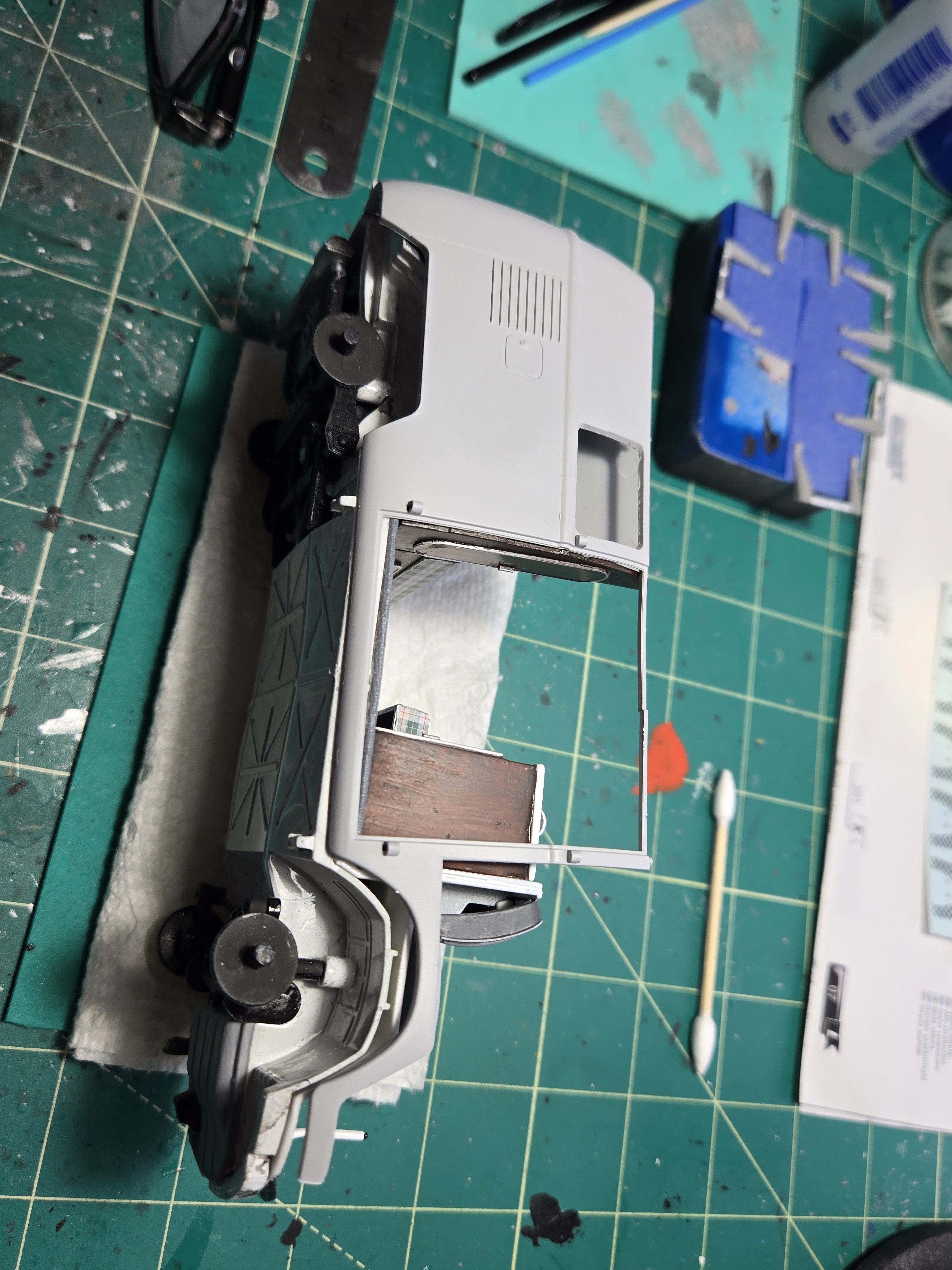
Thanks for the suggestions, compliments, and personal flashbacks. It makes me smile. I bought a heat gun for this purpose. I don't know if it shows, but the floor pan is not really flat. It has side rails and the plastic is very thick.
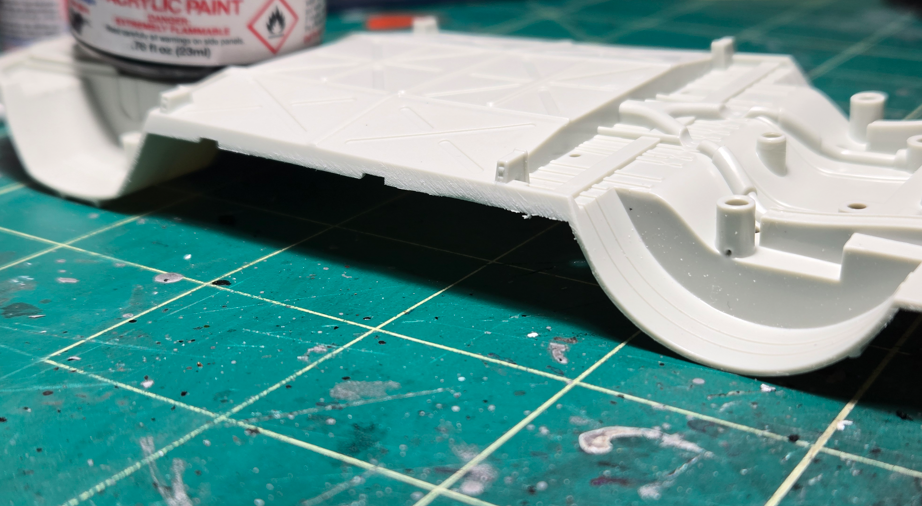 Suffice to say. No Joy.
C.A. Whitecloud
Well-Known Member
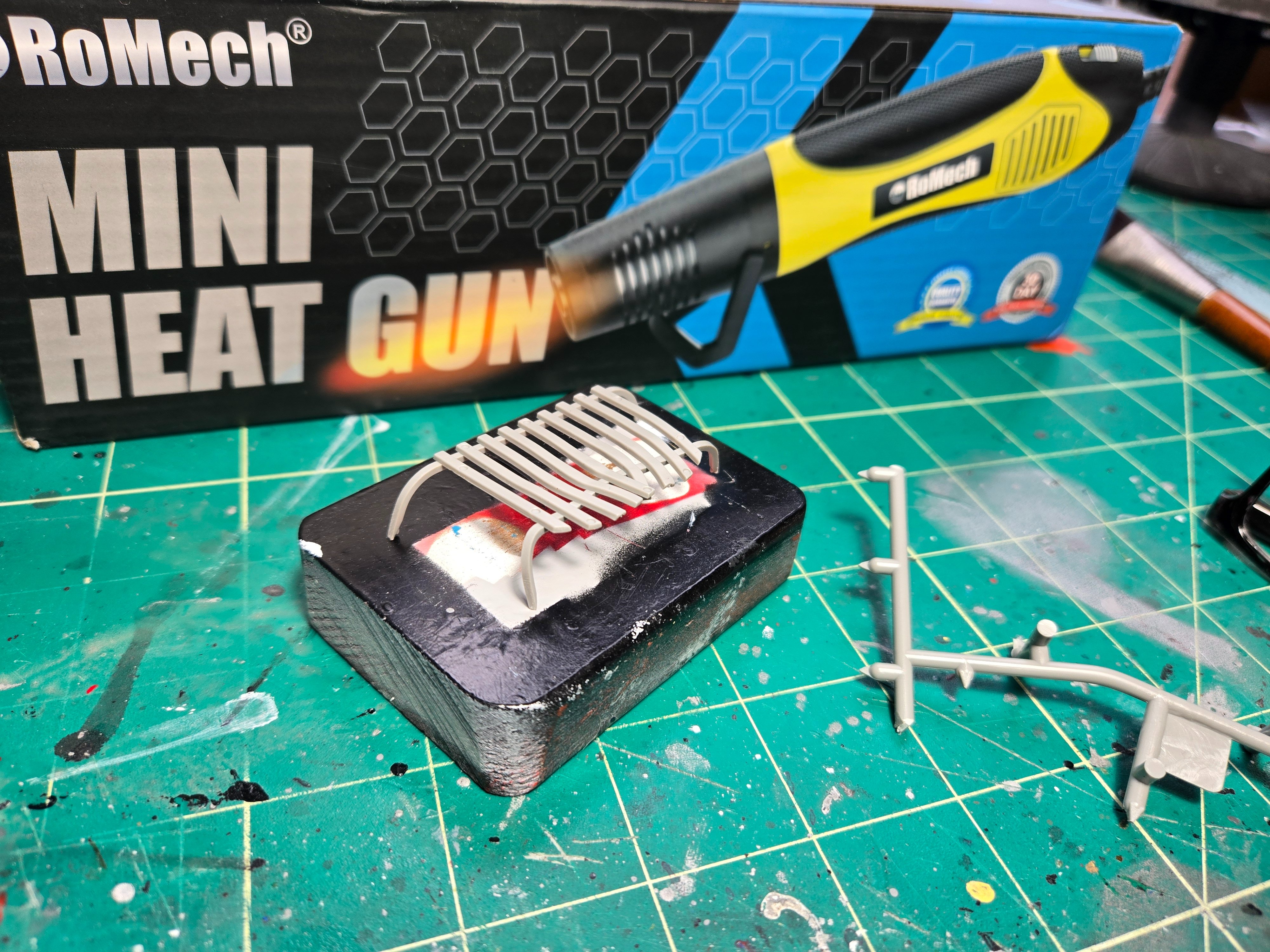

I've always used hot water to bend or straighten plastic parts. Much easier to control.Yes, using a heat gun has a learning curve. The front rack was a lost cause.
Me too, but it just occurred to me that I could use our hot water dispenser (which has different temps from 160 to 212).hot water
What is the optimum temp for the job with styrene and resin?
160-180 f possiblyMe too, but it just occurred to me that I could use our hot water dispenser (which has different temps from 160 to 212).
What is the optimum temp for the job with styrene and resin?
I'm assuming that's °F, but I've never measured the temperature. Boiling (212°F) is too hot. The Vicat softening point is 194°F. Somewhere in the range 190 to 200°F should be about right. The lowest temperature at which you can get it to bend. You need to immerse the part you are trying to deform or straighten to get uniform heating. Practice on sprue.
For large parts, short immersion in boiled water (heat to boiling, turn off heat, immerse after it has stopped boiling) is sometimes necessary because of the larger mass. The bottom wing part on my 1/32 P-40 required that technique required that method to get it to the proper dihedral. With this method, dip, try bending in while immersed, and remove as soon as it starts to bend. Basically, this is art with only a dash of science …
For large parts, short immersion in boiled water (heat to boiling, turn off heat, immerse after it has stopped boiling) is sometimes necessary because of the larger mass. The bottom wing part on my 1/32 P-40 required that technique required that method to get it to the proper dihedral. With this method, dip, try bending in while immersed, and remove as soon as it starts to bend. Basically, this is art with only a dash of science …
C.A. Whitecloud
Well-Known Member
I did actually try the immersion technique first on the chassis. Got the water to boil, turned it off and dunked the piece. It got way to soft, way too quick for me to work it properly. Hindsight, I might have made some kind of jig to set it in to cool straight.
C.A. Whitecloud
Well-Known Member
We'll have to come back to the bend in the bottom. Let's do doors and windows.
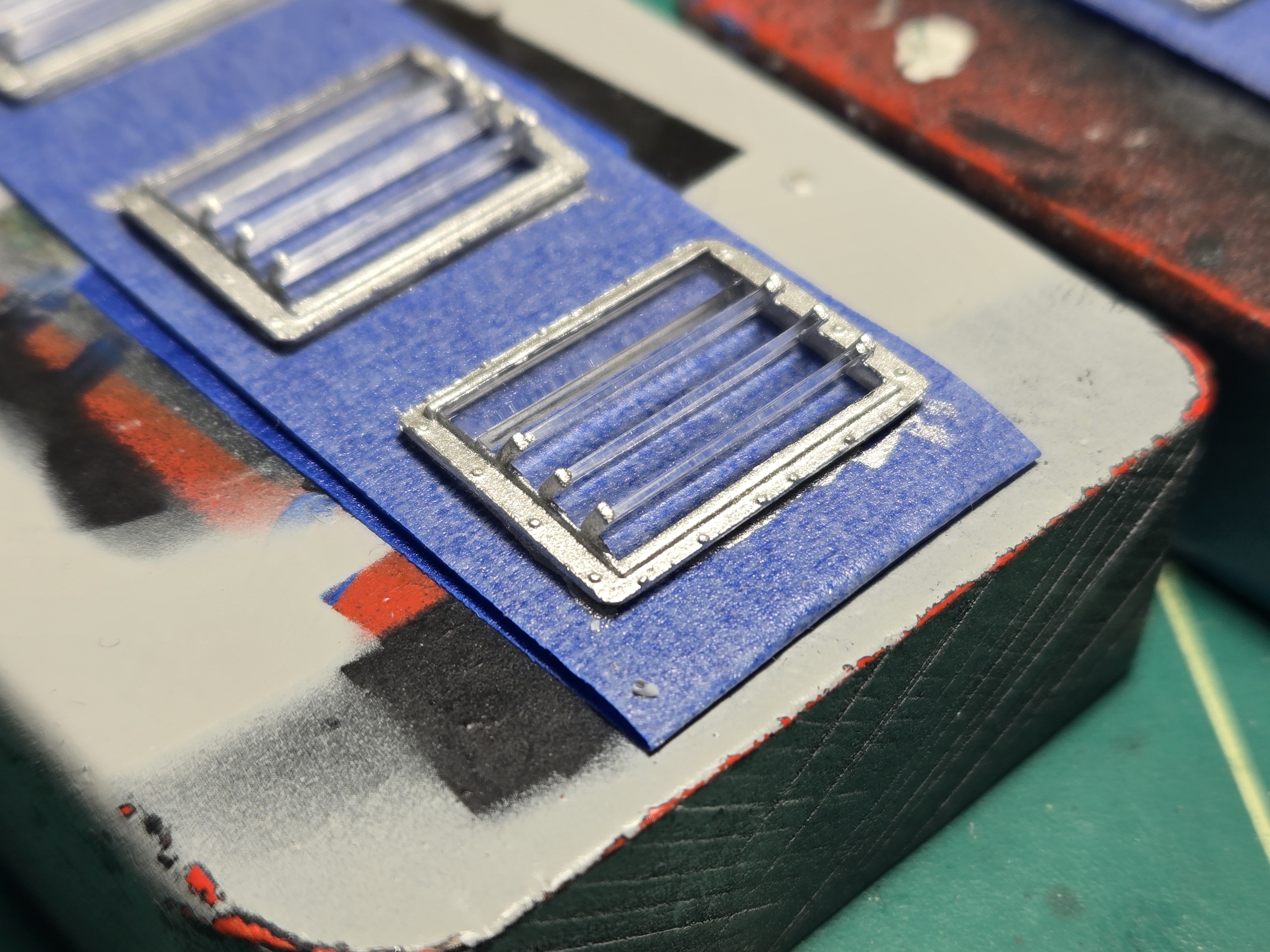
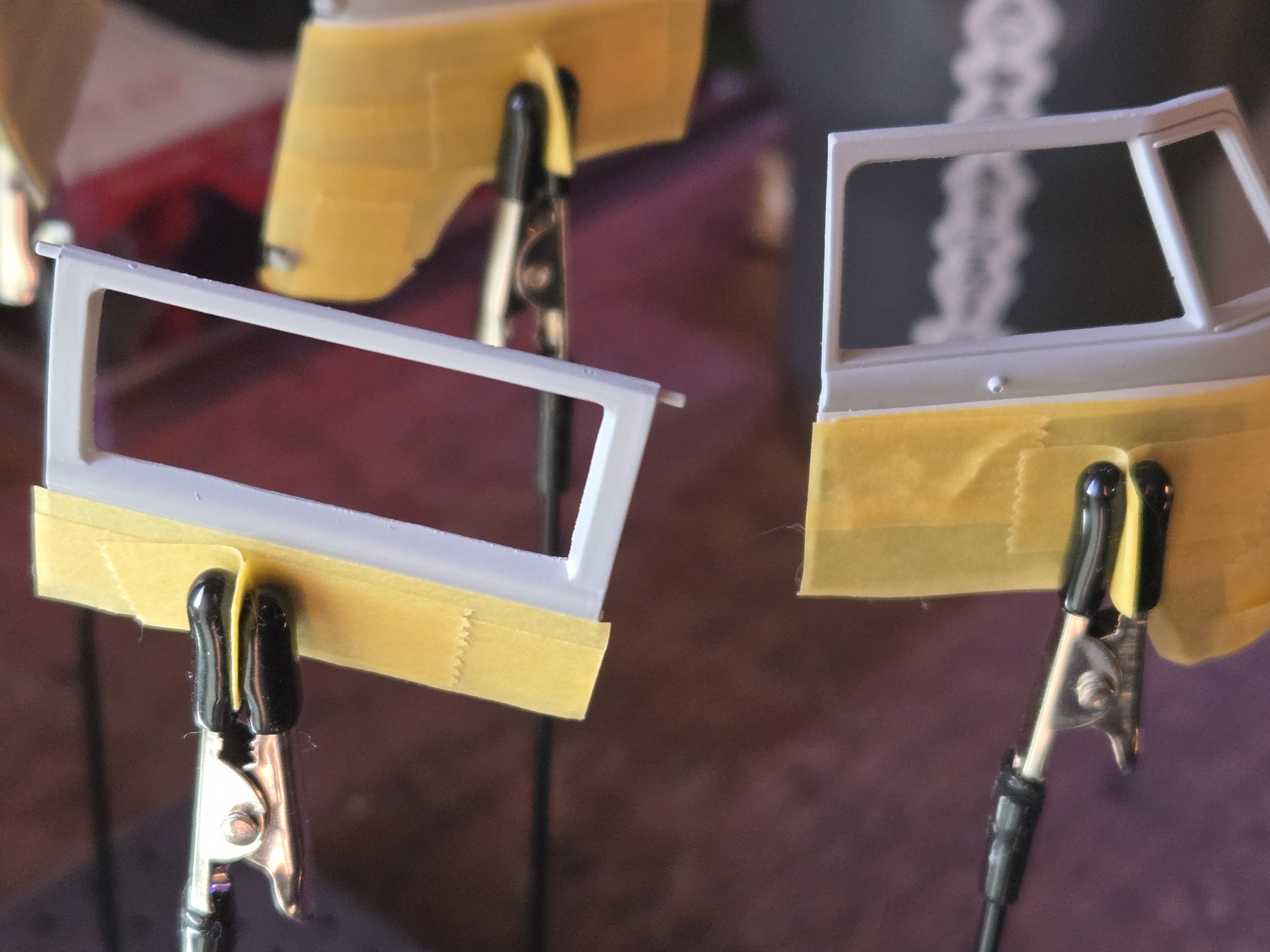
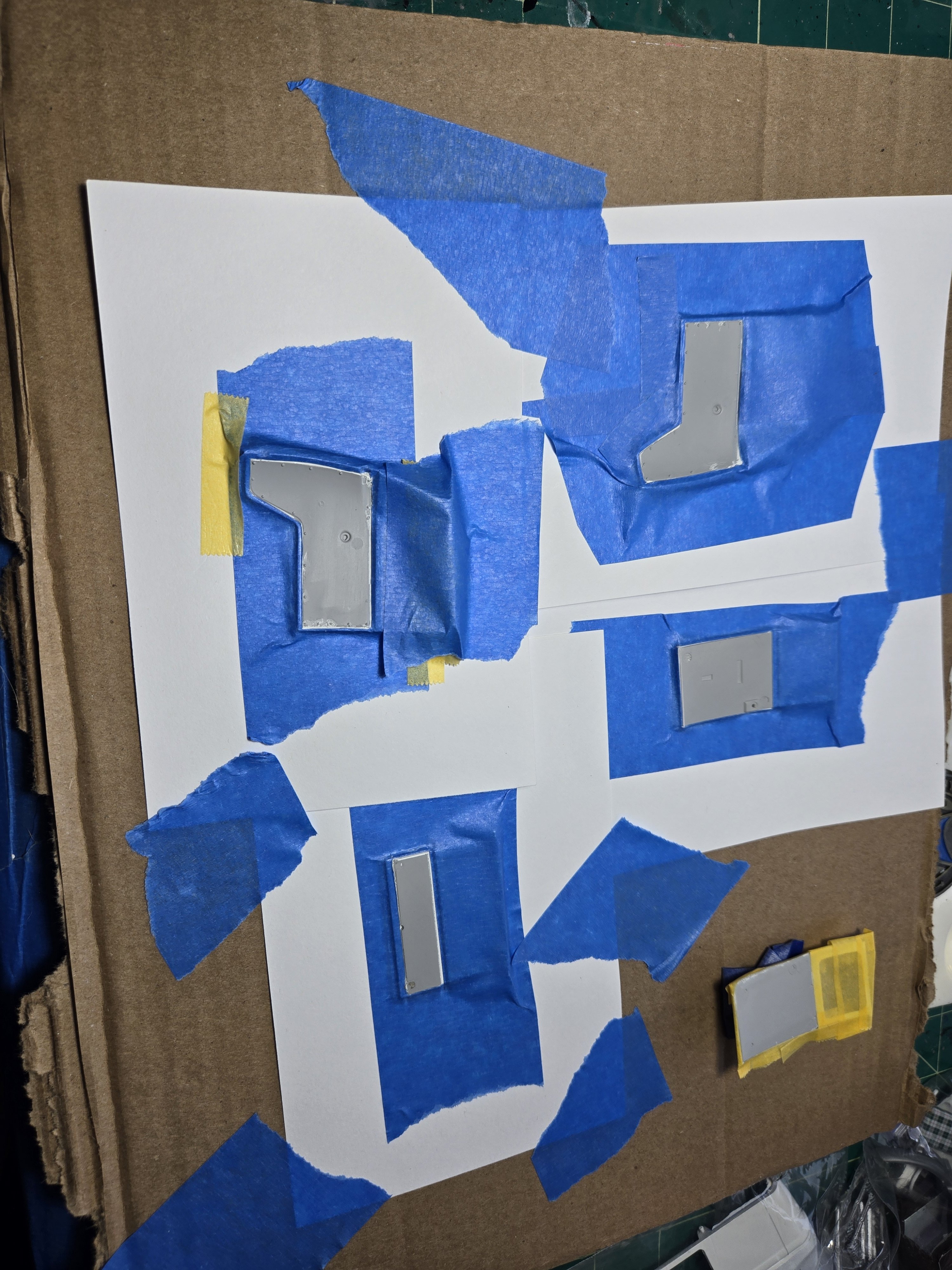
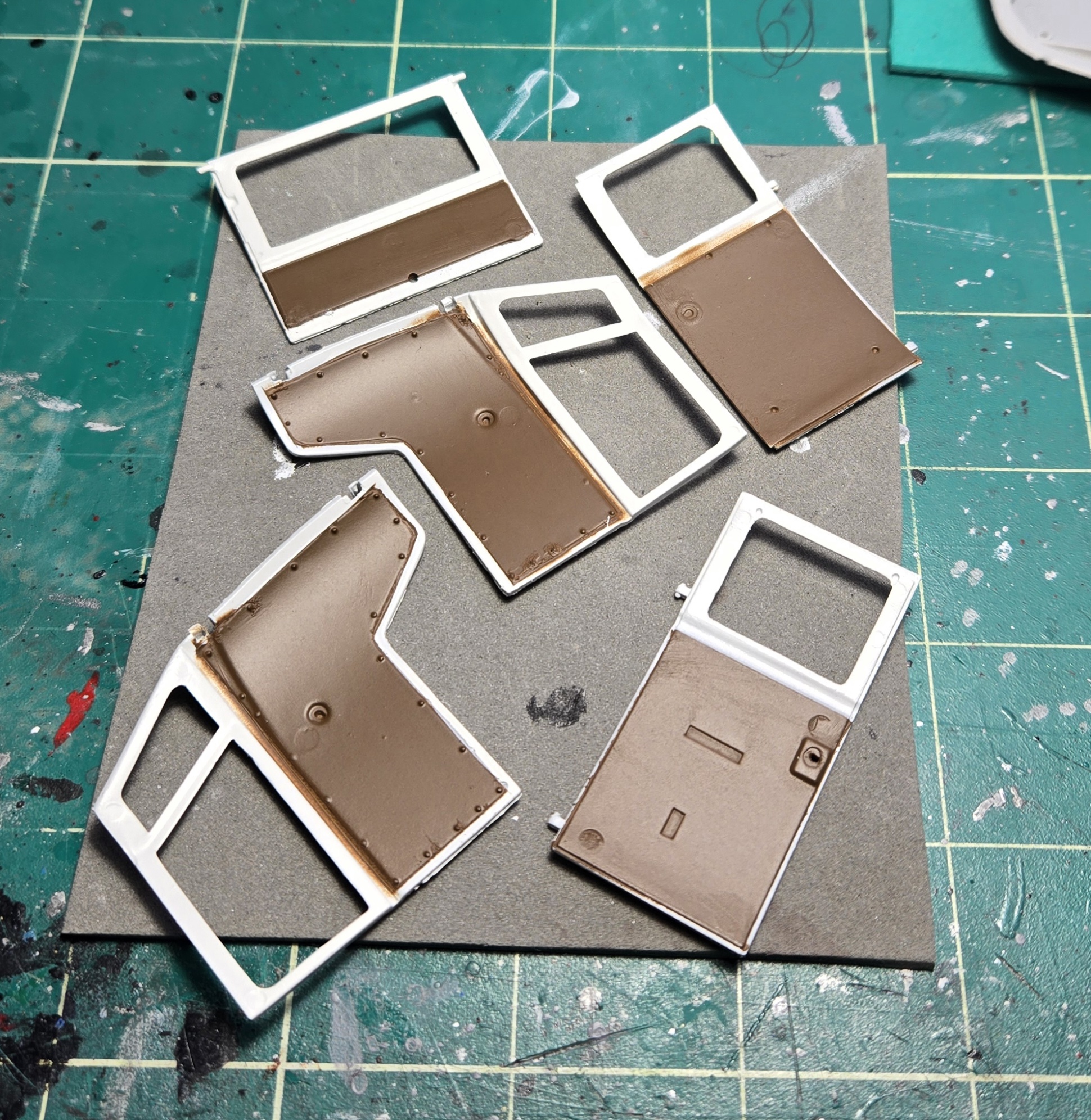
Not too bad on the masking. Only minor cleanup to do.
Not too bad on the masking. Only minor cleanup to do.
C.A. Whitecloud
Well-Known Member
I went with Dupli-Color original VW colors for the exterior.
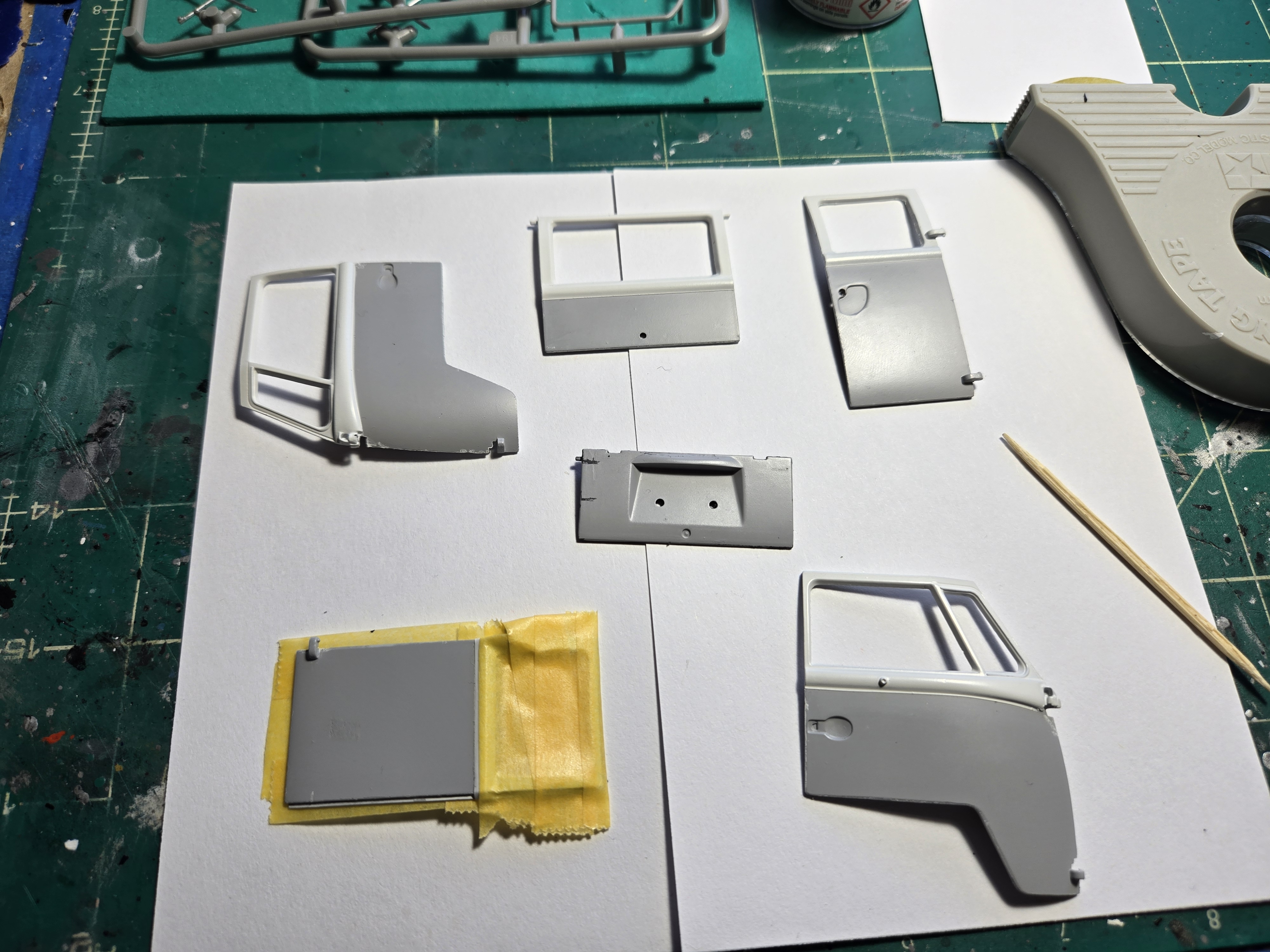
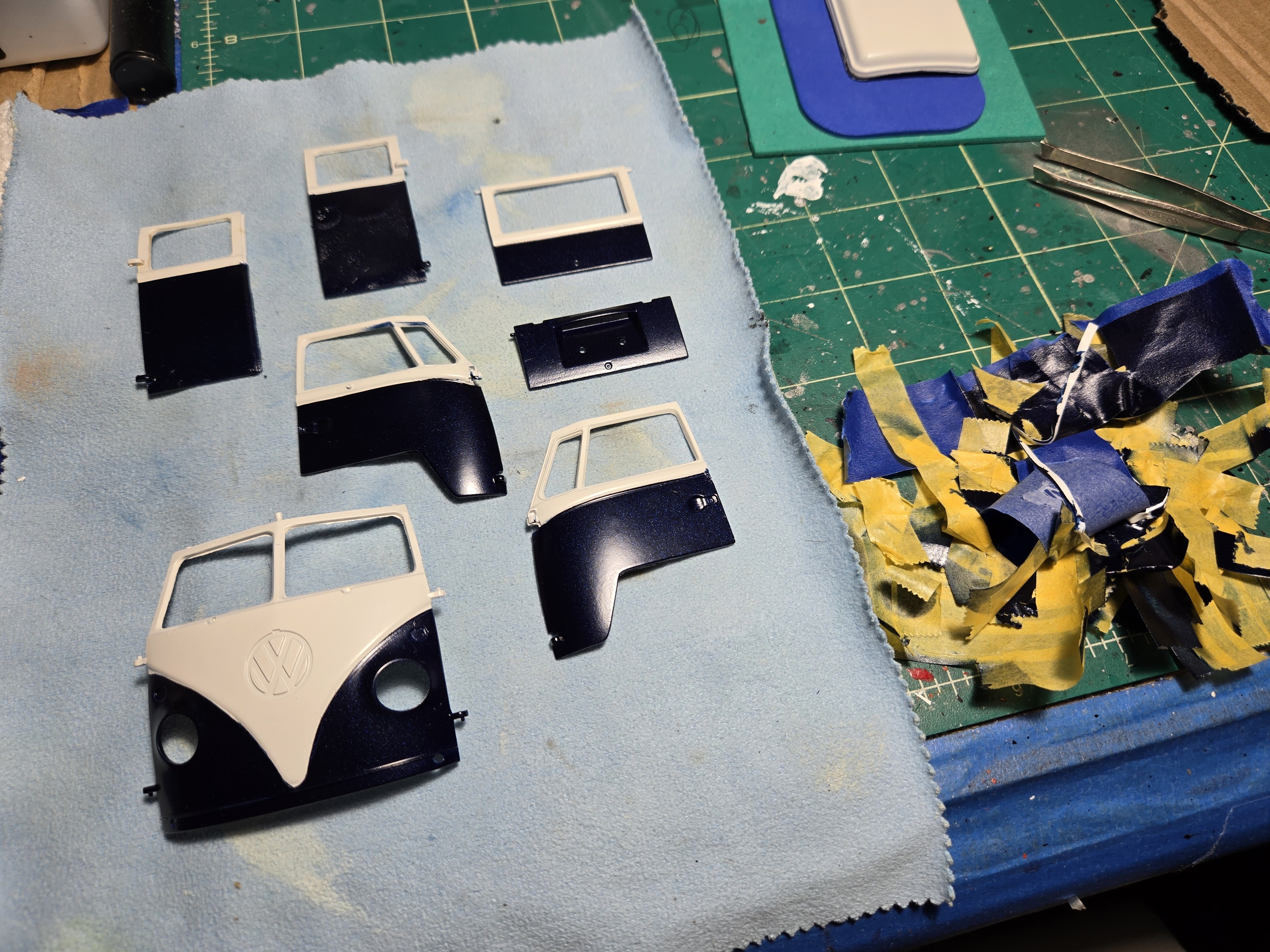
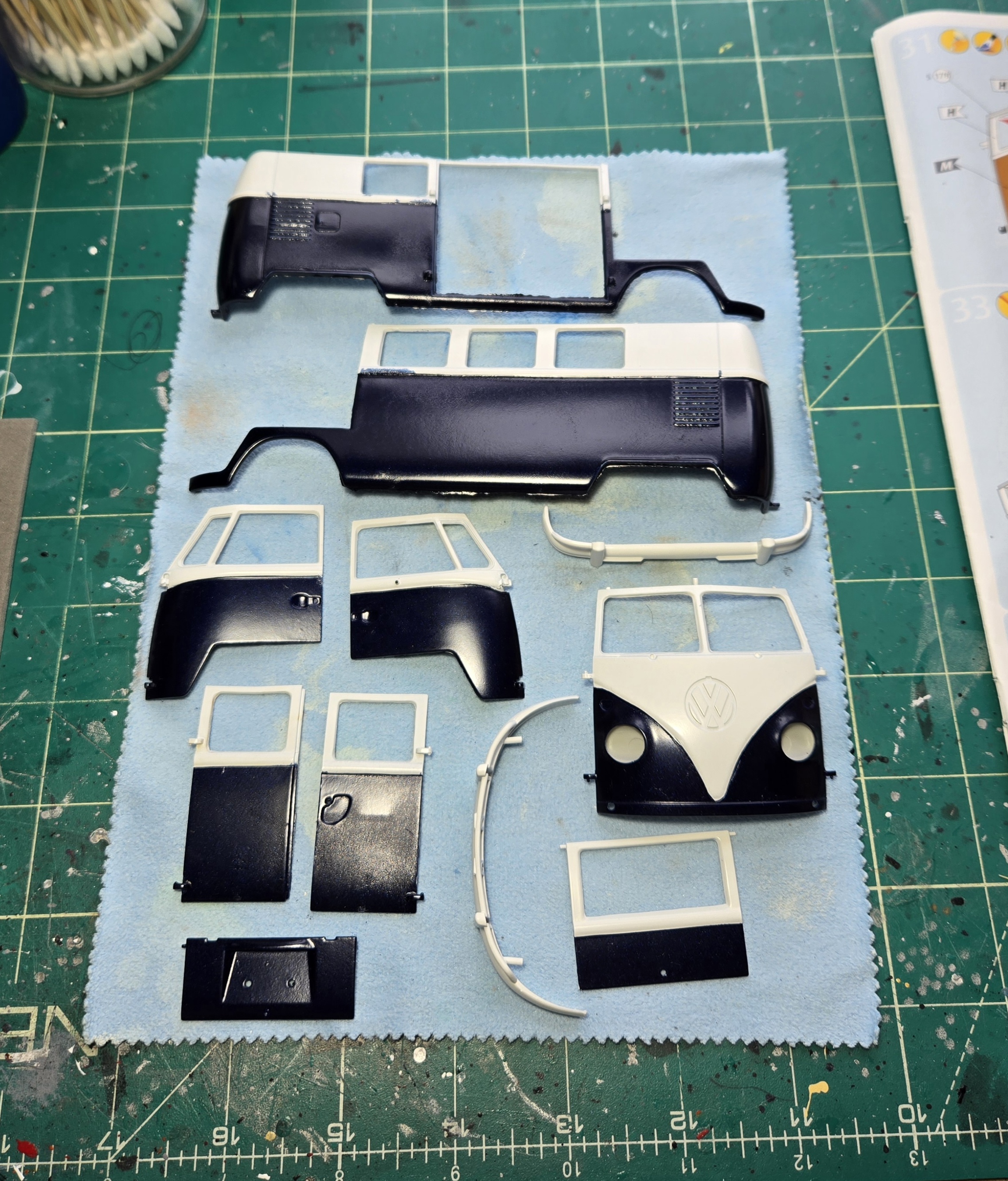
You can see some orange peel o the tall doors. I plan to show those open.
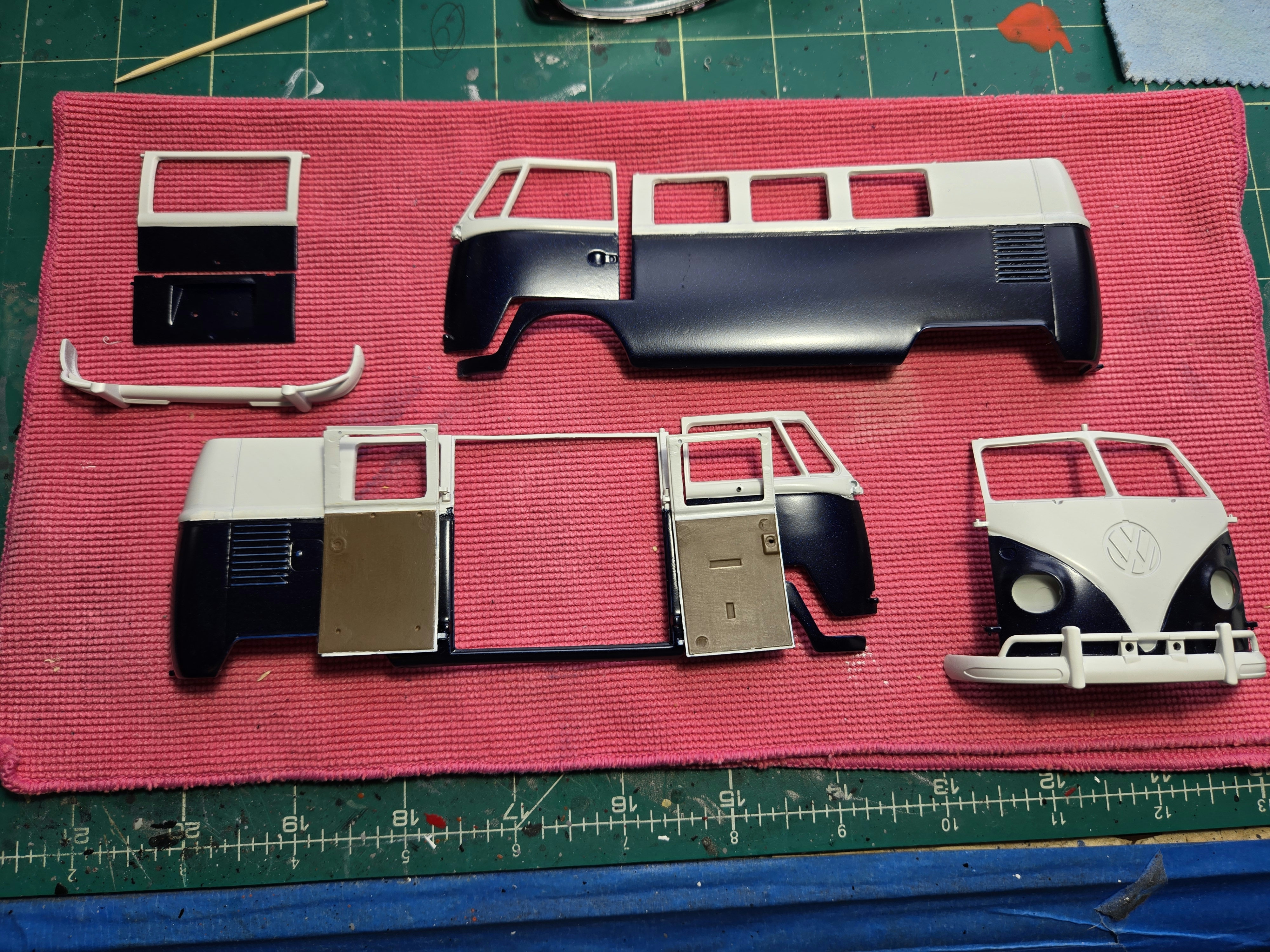
You can see some orange peel o the tall doors. I plan to show those open.
Nice 'stick handling' there!I plan to show those open.
C.A. Whitecloud
Well-Known Member
??'stick handling'
C.A. Whitecloud
Well-Known Member
It was to cold outside to spray a clear coat so I went with the old school backup, acrylic floor shiner, Future.
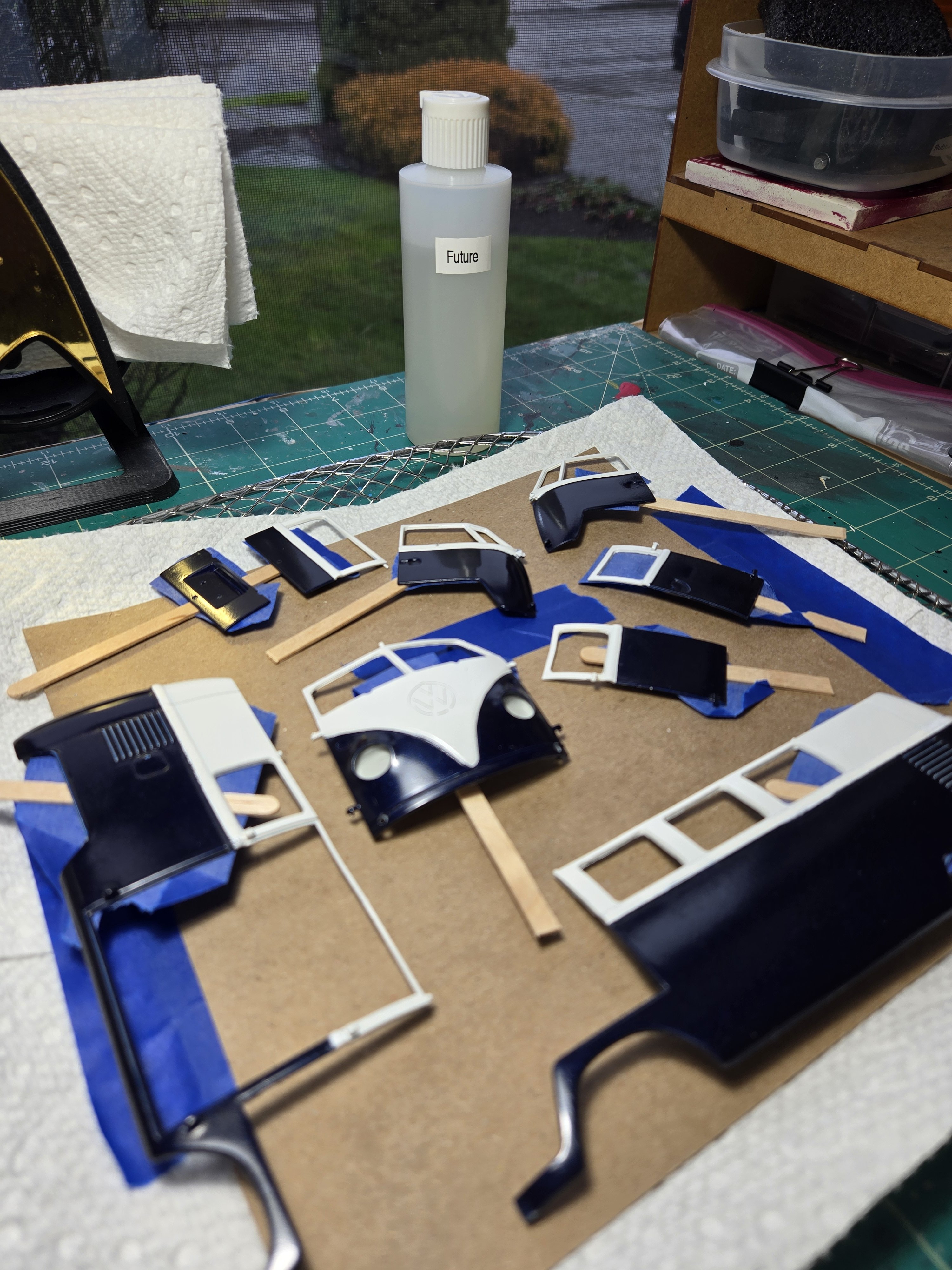
Some kind of reaction took place???
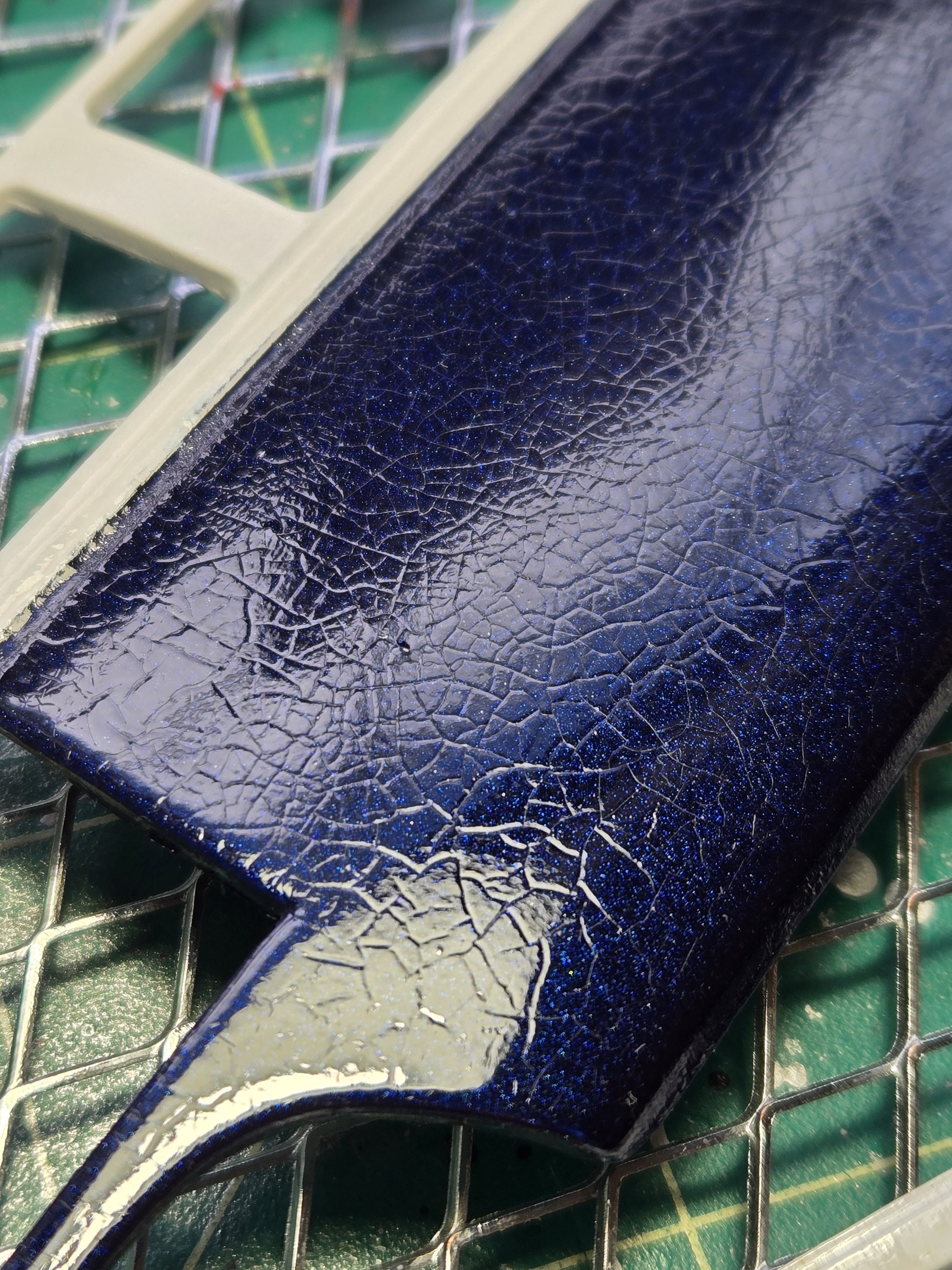
I'm going to live with it. It's not easy to see in most light at some angles.
So, plan was to get one corner good and glued, let sit overnight, and work my way around that way. That was the plan anyway.
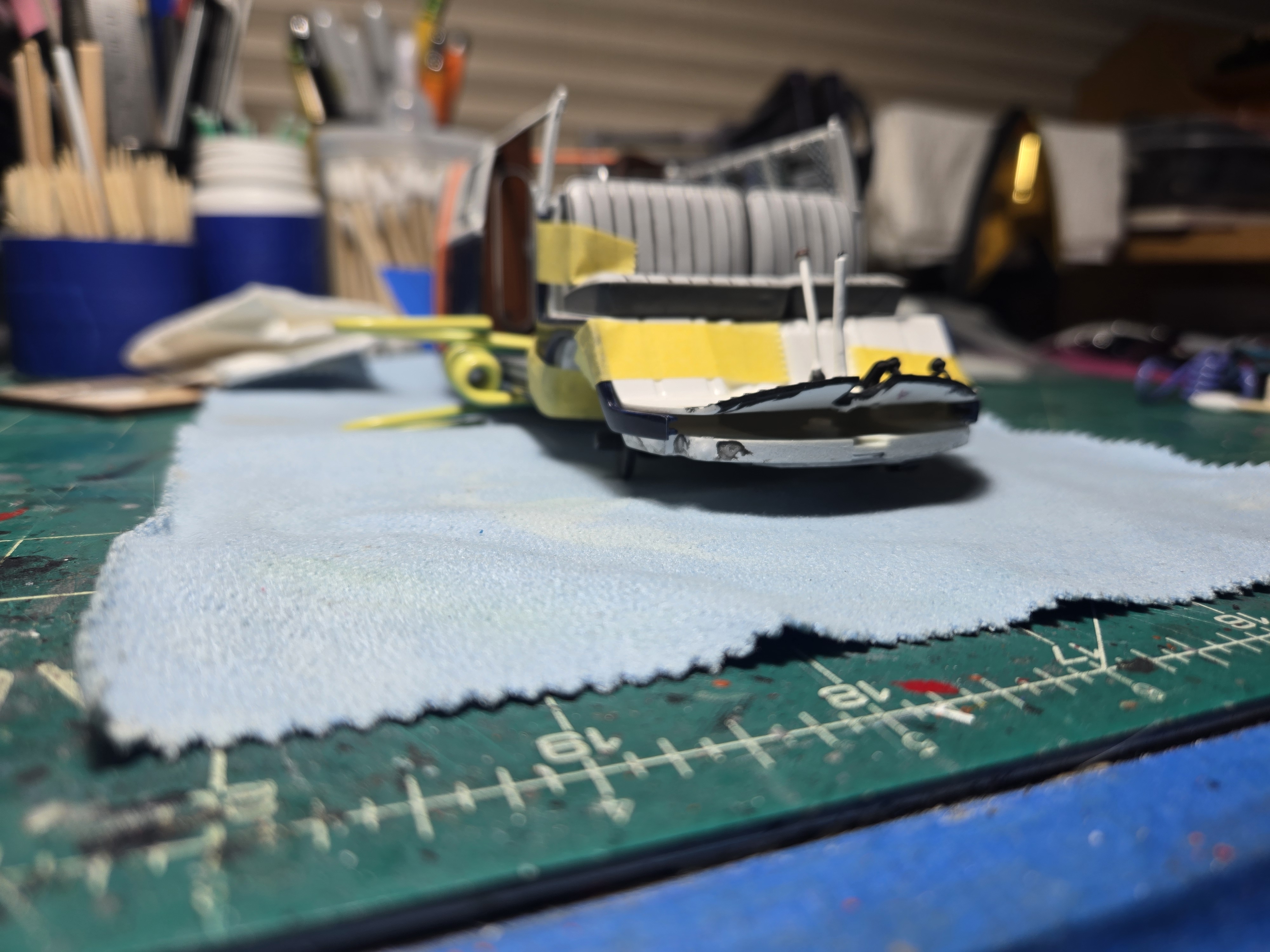
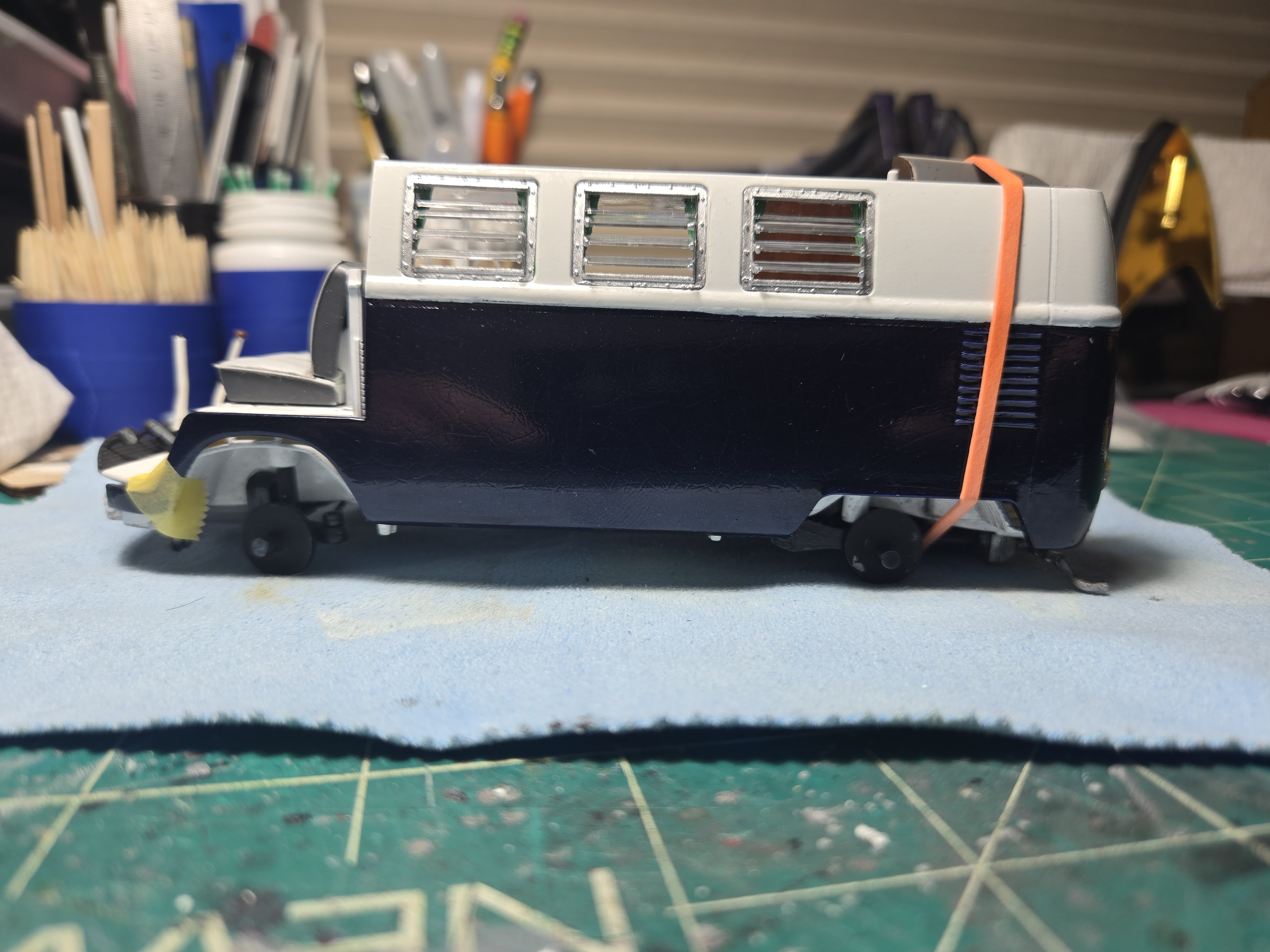
Some kind of reaction took place???
I'm going to live with it. It's not easy to see in most light at some angles.
So, plan was to get one corner good and glued, let sit overnight, and work my way around that way. That was the plan anyway.
C.A. Whitecloud
Well-Known Member
Plan B
'Stick handling' is a hockey reference whereby the player uses his stick to manoeuvre the puck around other players towards the goal! So I'm Canadian eh?!

In this case, some 'fancy footwork' to avoid rectifying suboptimal paint!
C.A. Whitecloud
Well-Known Member
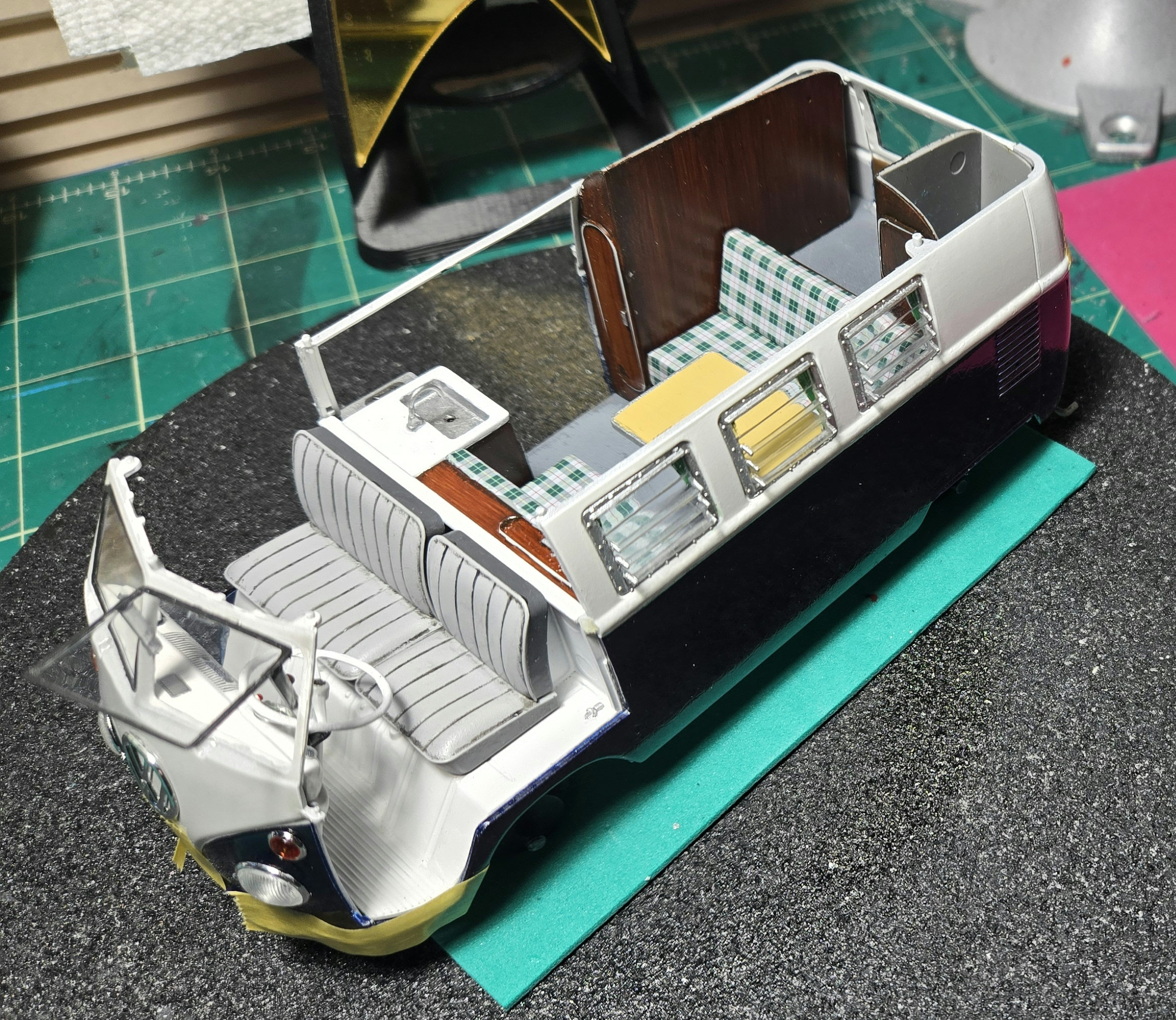
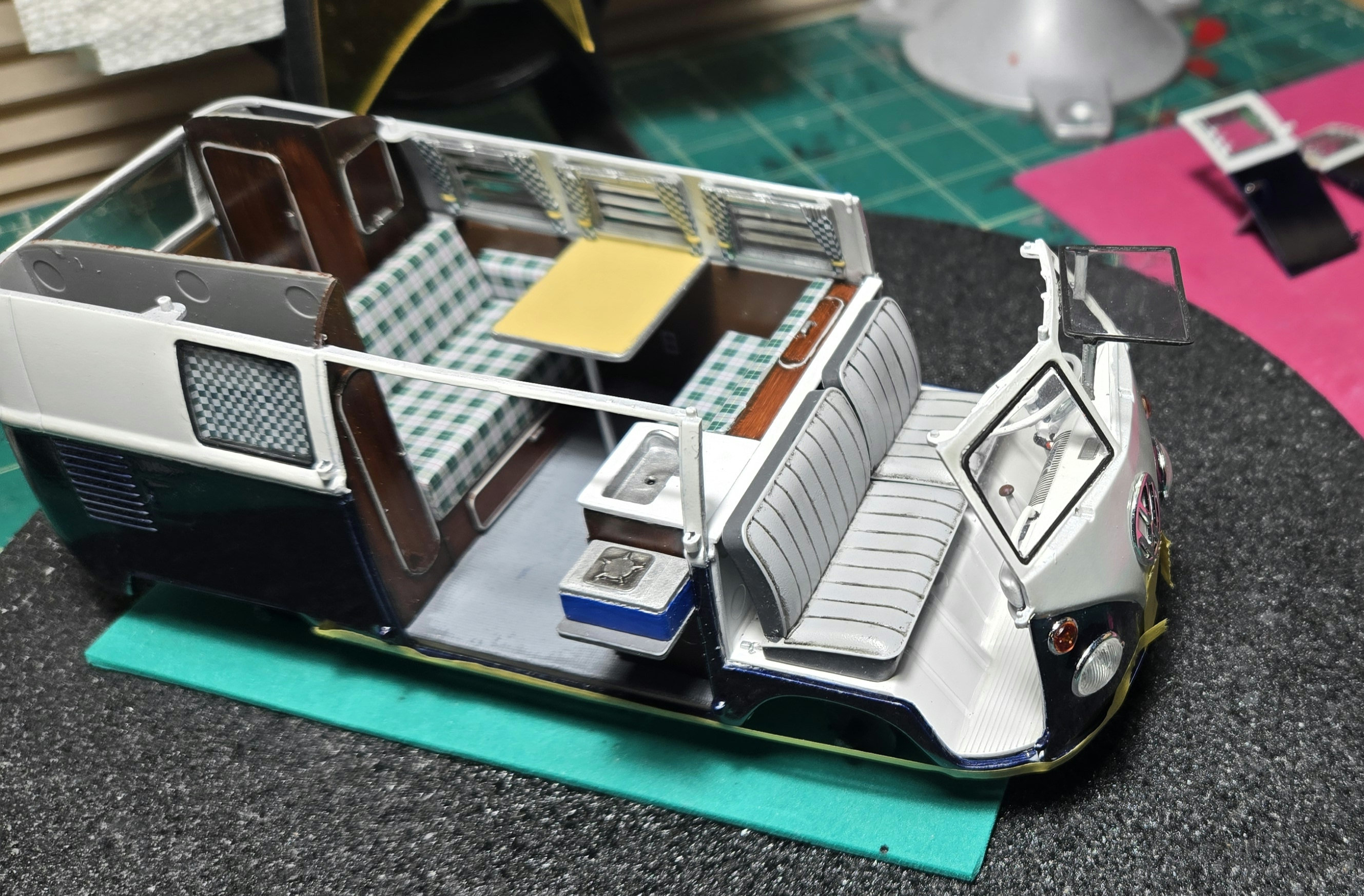
Things coming along after surgery.
C.A. Whitecloud
Well-Known Member
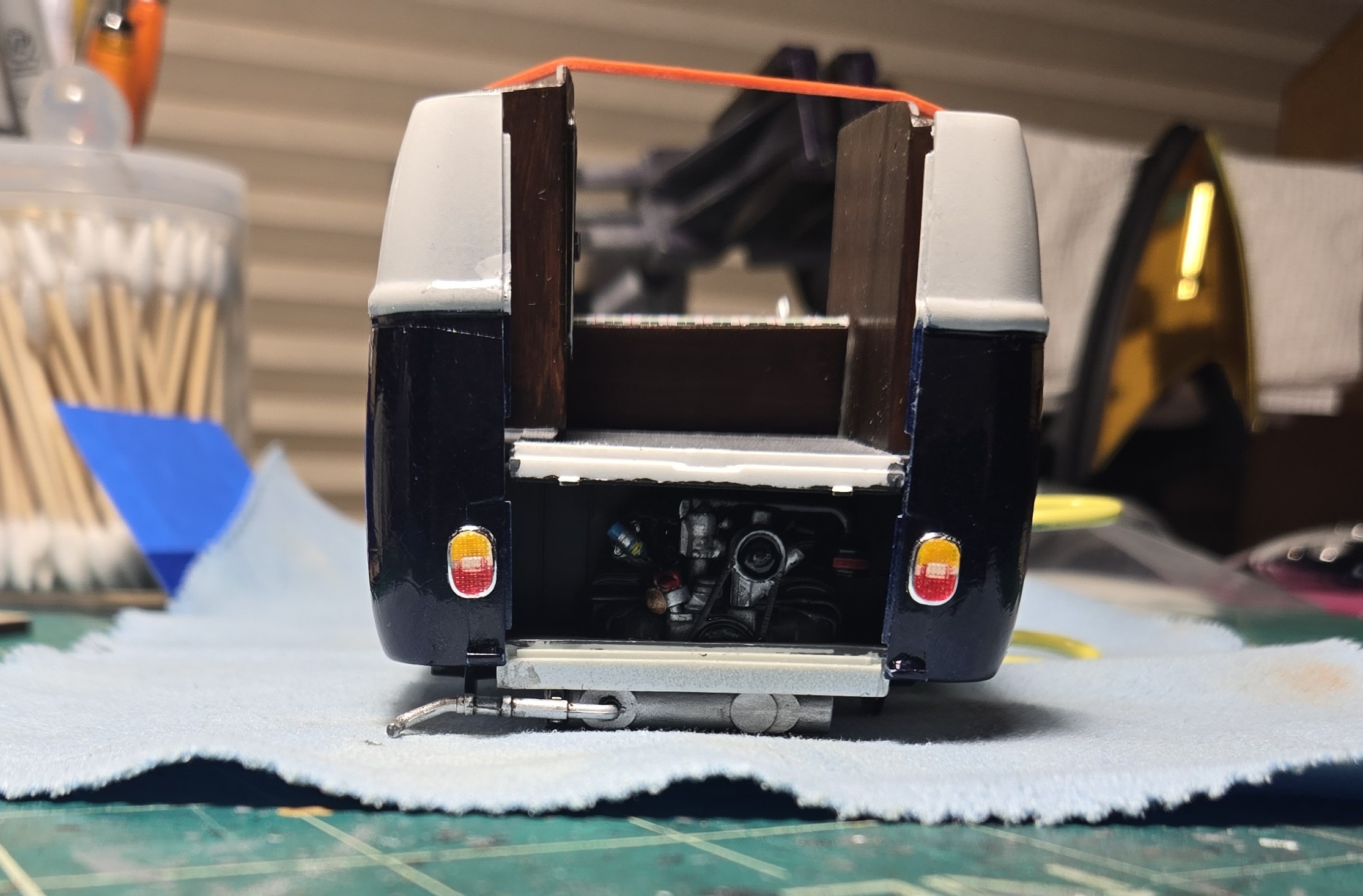
So, per the instructions I'm using the bumpers for the US version. They have that second rail on top.
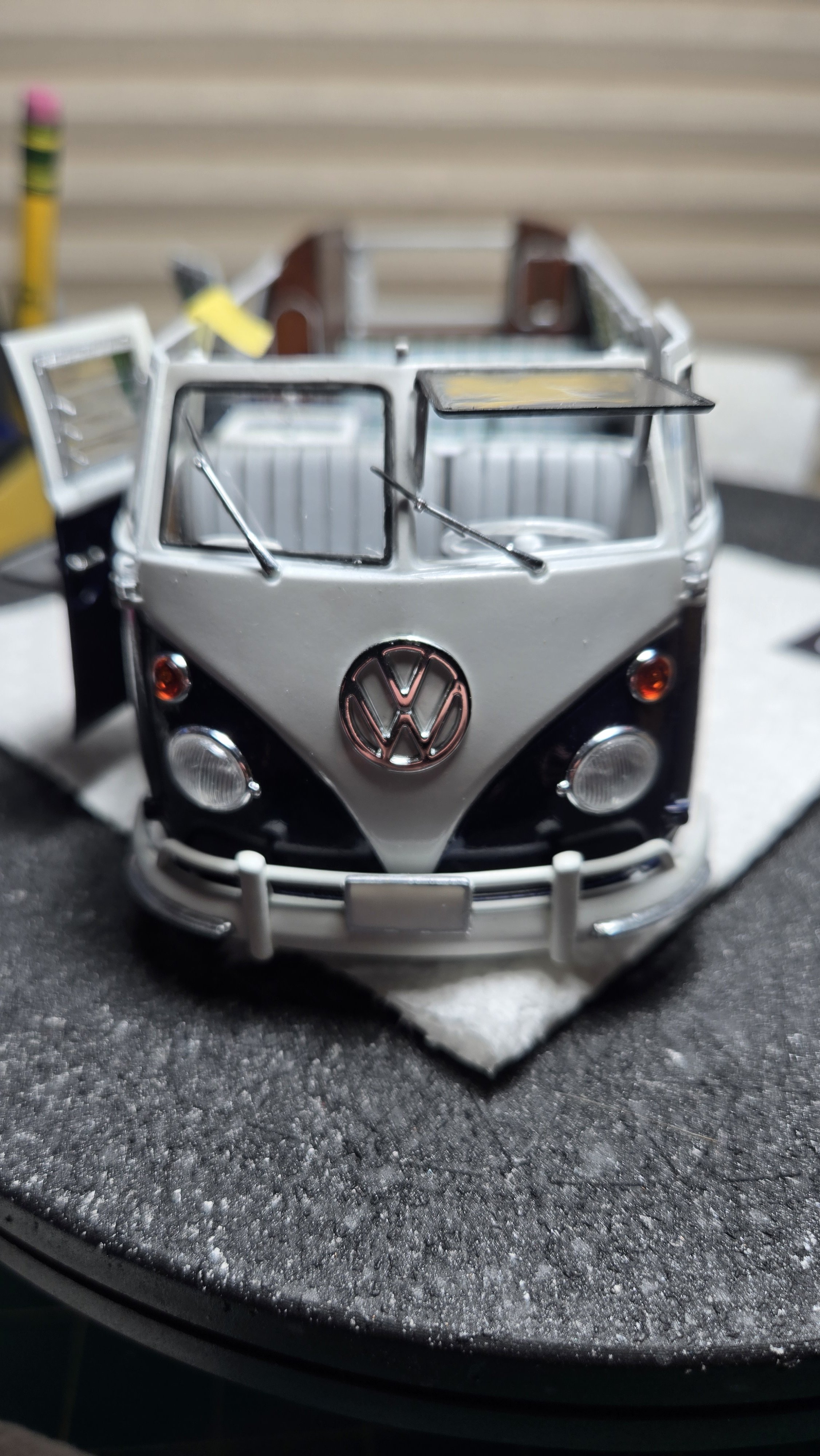
The back is not right. The bumper clashes with the tail lights. There were small indents for where the tail lights go, so I think those are correct. What did I miss?
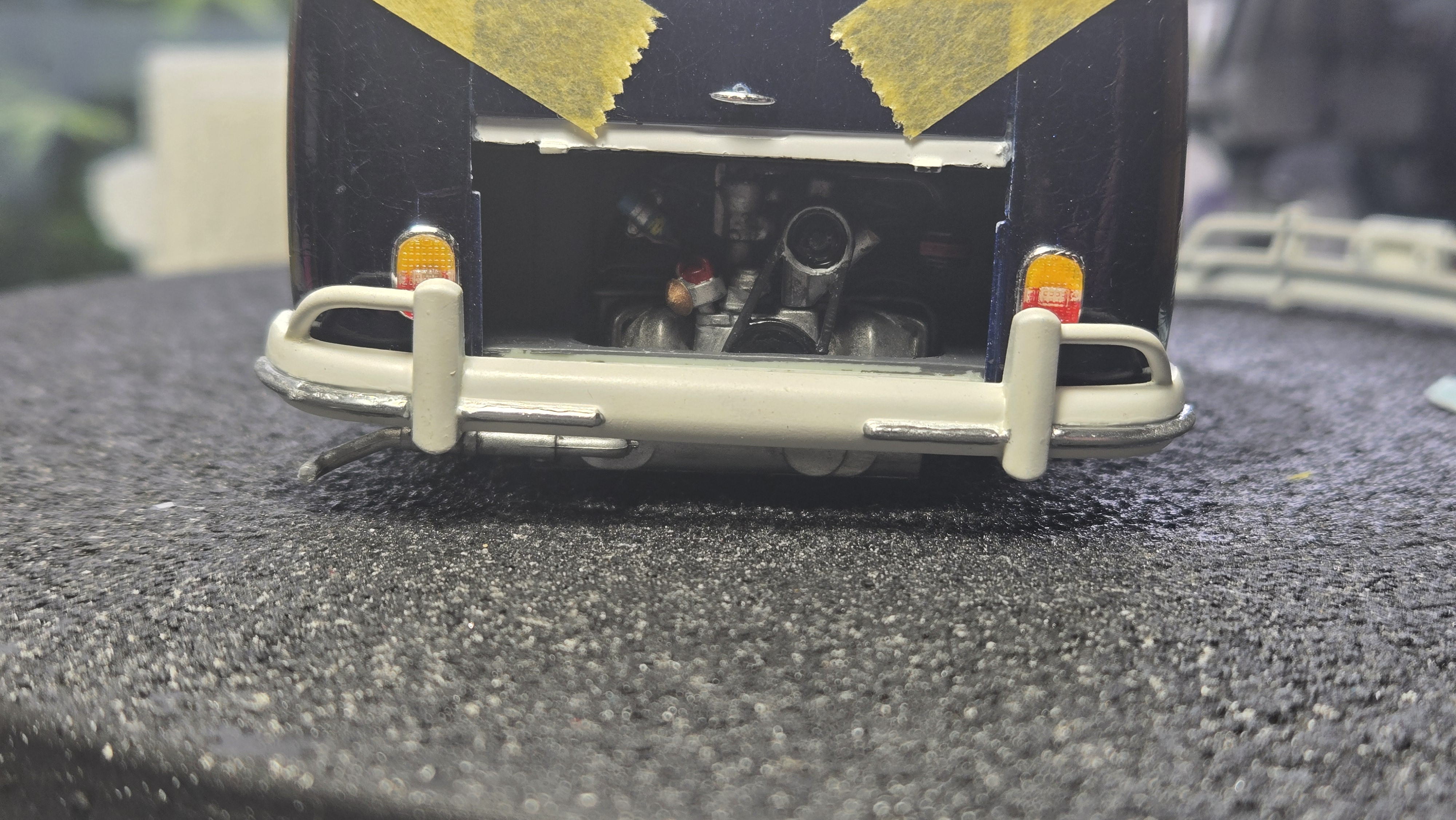
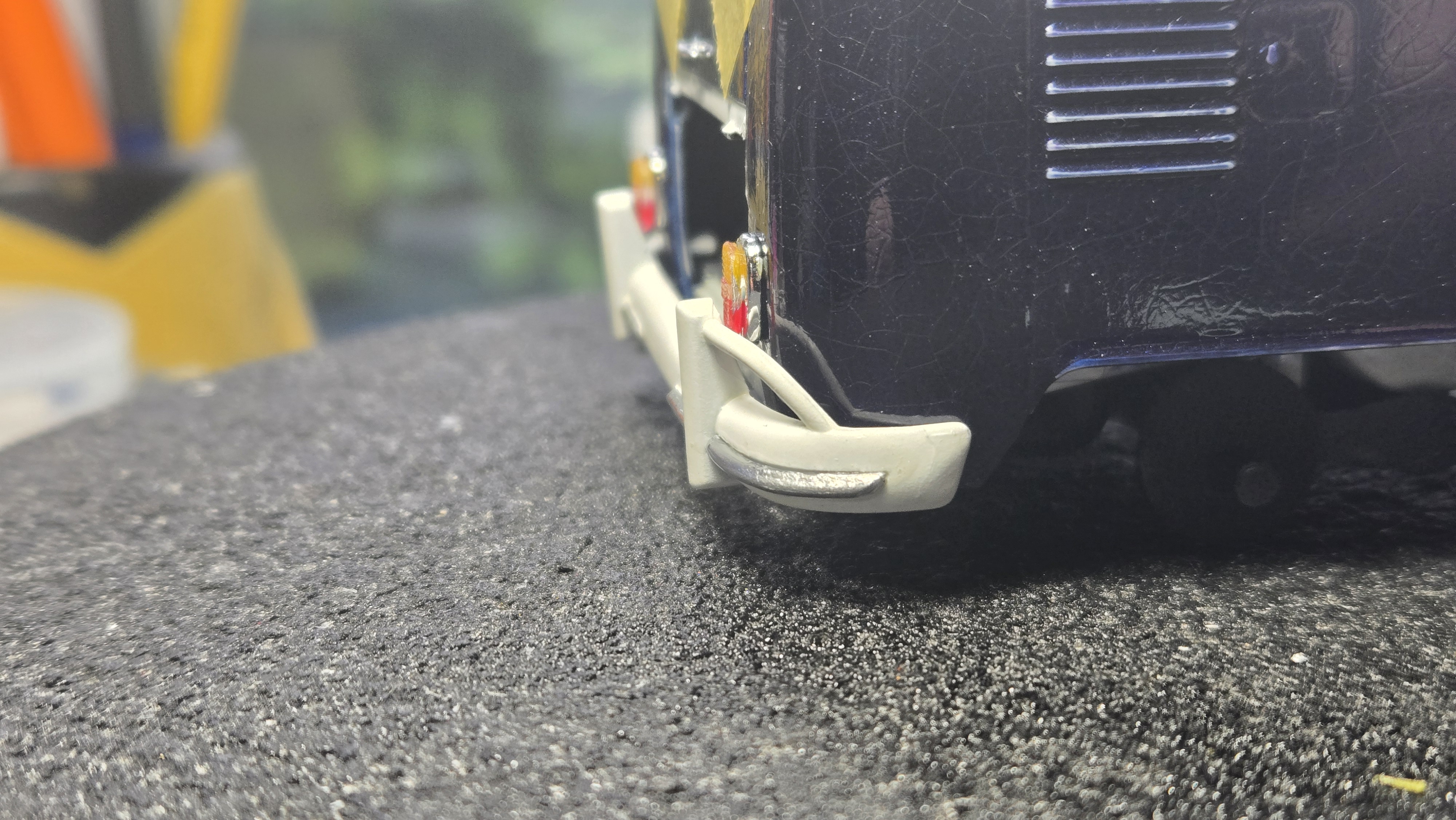
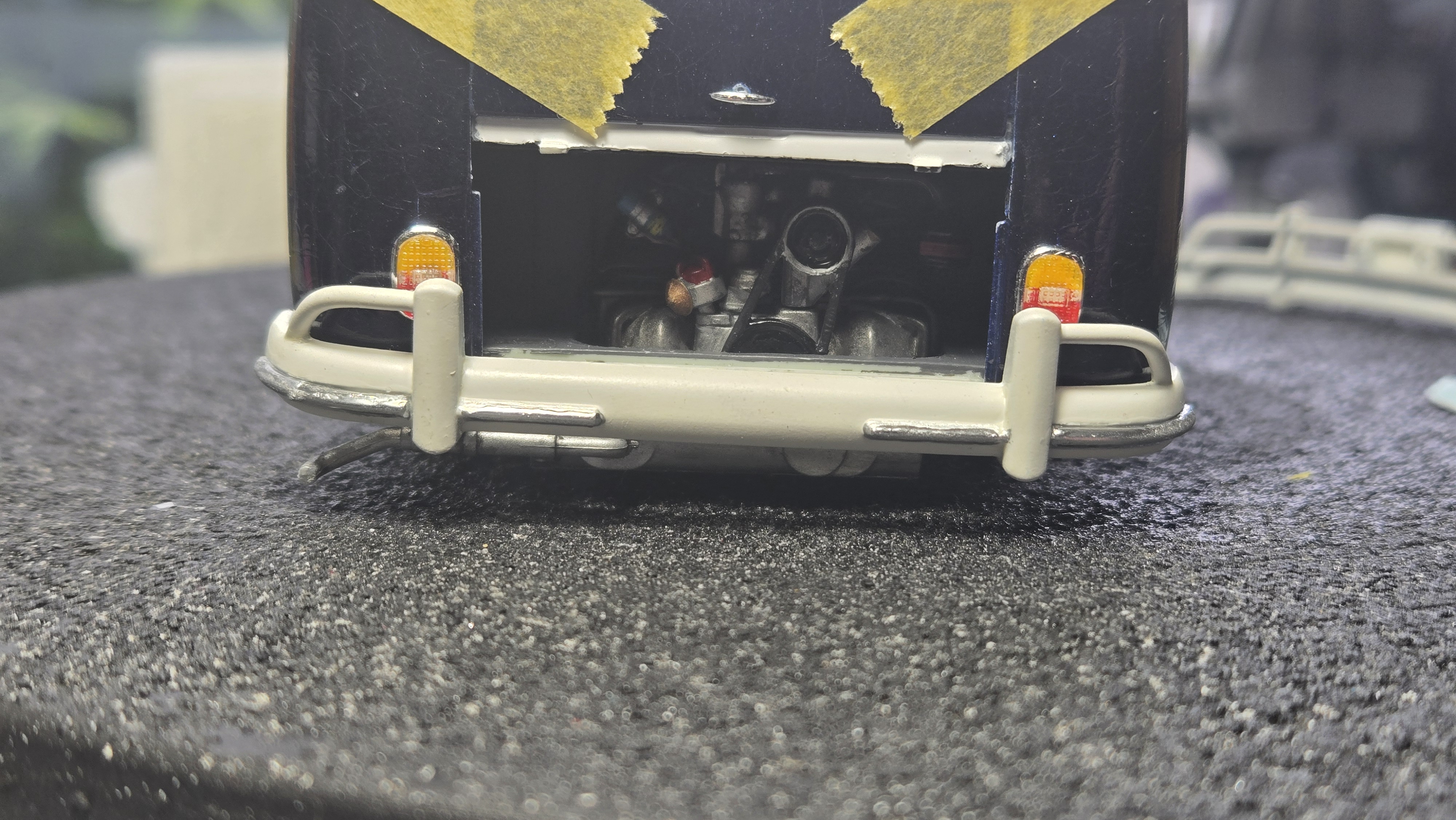
Also, I wanted to show one window open (top pic), but did not know what to do with the wiper.
The back is not right. The bumper clashes with the tail lights. There were small indents for where the tail lights go, so I think those are correct. What did I miss?
Also, I wanted to show one window open (top pic), but did not know what to do with the wiper.
That reaction would look incredible for leather! Did you figure out what happened?It was to cold outside to spray a clear coat so I went with the old school backup, acrylic floor shiner, Future.
View attachment 194111
Some kind of reaction took place???
View attachment 194112
I'm going to live with it. It's not easy to see in most light at some angles.
So, plan was to get one corner good and glued, let sit overnight, and work my way around that way. That was the plan anyway.
View attachment 194113
View attachment 194114
View attachment 194115
View attachment 194116
The technical term is "aligatoring." Future™ has a very high shrinkage. As it shrank, it pulled the underlying paint apart. Not knowing what solvents were used on both coats, I can't tell if they were involved, but it's possible. This is more likely to occur when the underlying coat has not fully cured and bonded to the substrate, or with a heavy coat of the Future™That reaction would look incredible for leather! Did you figure out what happened?
Too bad you can't replicate that on a pair of boots!The technical term is "aligatoring." Future™ has a very high shrinkage. As it shrank, it pulled the underlying paint apart. Not knowing what solvents were used on both coats, I can't tell if they were involved, but it's possible. This is more likely to occur when the underlying coat has not fully cured and bonded to the substrate, or with a heavy coat of the Future™
C.A. Whitecloud
Well-Known Member
No one knows why that rear bumper is set so wonky?


